 EN
EN

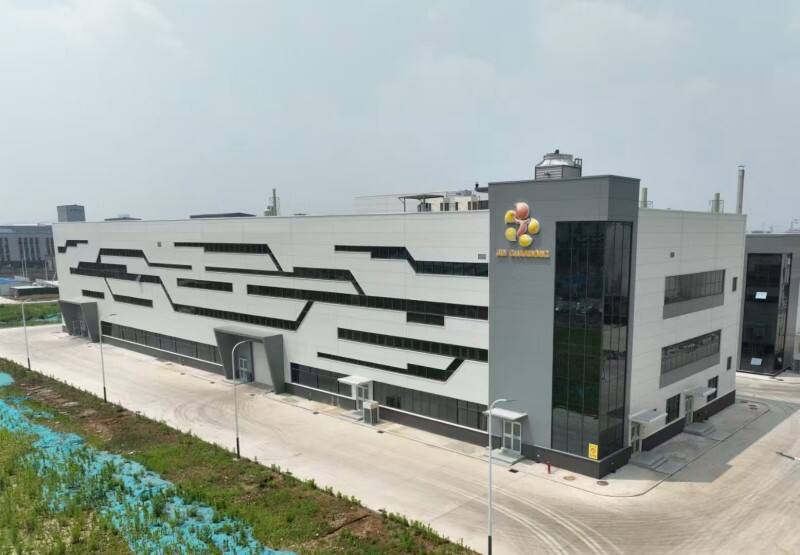
Sustainable Steel Structure Building: Reducing Embodied Carbon
Low-Carbon Steel Production and High-Recycled-Content Alloys
The steel industry is making big strides in cutting down on carbon emissions these days, mainly because of electric arc furnaces running on green power sources. These EAFs slash greenhouse gases by somewhere between half and three quarters when compared to old fashioned blast furnaces. When looking at steel products made mostly from recycled materials, which can be over 90% recycled content in some cases, studies show they cut down on embedded carbon by as much as 80% compared to brand new steel. Research published recently by the World Steel Association backs this up. Manufacturers are also developing stronger alloys that allow buildings and structures to be built lighter while still performing just as well structurally. Combine all this with smarter factory automation systems that waste about 15 to 20% less material during production, and we're seeing significant reductions in carbon footprints across the board. This makes steel not only practical but essential for anyone building sustainable infrastructure these days.
Net-Zero Ready Envelopes: Advanced Insulation and Cladding Integration
Achieving net zero operations really depends on how we design building envelopes that work well with steel structures. Materials like phase change materials (PCMs) and aerogel insulation actually hold heat about 30 to maybe even 40 percent better than what we typically see in standard construction these days. This makes a big difference for reducing both heating costs and cooling demands over time. When it comes to carbon capture, certain types of cladding materials stand out. Think cross laminated timber panels or hempcrete boards for instance. These can absorb roughly around 25 kilograms of CO2 per square meter during production. Plus they pair nicely with steel since steel maintains its shape so well under load. Getting rid of those pesky thermal bridges and sealing all the air gaps properly cuts down operational emissions by somewhere close to 60%, though exact numbers might vary depending on specific conditions. Prefab modular components help builders create tighter seals between parts when assembling buildings on site. The result? Better energy efficiency lasting much longer before maintenance becomes necessary.
Digital Transformation in Steel Structure Building Design and Fabrication
BIM-Driven Workflow and AI-Optimized Structural Modeling
Building Information Modeling or BIM allows different teams to work together in real time when designing steel structures. It creates detailed digital copies of buildings that spot potential problems where components might clash long before any physical construction starts. When combined with artificial intelligence, structural models can run through all sorts of stress tests including earthquakes and strong winds. This helps engineers figure out exactly what size beams they need, how connections should be made, and which materials will work best for each part of the building. Companies using this approach typically see about half as many redesigns compared to traditional methods, all while still meeting every safety requirement set by regulators. The end result? Steel frames that are both stronger and more efficient, constructed with pinpoint accuracy instead of relying on guesswork or excessive reinforcement.
Modular Prefabrication: Cutting Project Timelines by 30–40%
Building steel modules in factories allows for simultaneous work streams where site prep happens at the same time as making components. The system cuts down on site workers by around two thirds, gets rid of those frustrating weather holdups, and uses machines to check quality which means fewer mistakes and less wasted materials. Buildings made with these pre-assembled steel parts get finished quicker, cause less hassle for people nearby, and maintain solid structural integrity while still letting architects do their thing creatively. These modules can be tweaked in various ways to fit different purposes too. Think apartment complexes combined with retail spaces or even hospitals, everything built to tight specifications but adaptable enough to meet specific project requirements.
Resilient and Adaptable Steel Structure Building Frameworks
Open-Plan Flexibility, Adaptive Reuse, and 100+ Year Service Life
The strength of steel relative to its weight plus the way columns carry most of the load makes possible those great open spaces we see in modern buildings today. No more worrying about where to put load bearing walls because everything just flows together nicely and can be changed around as needed down the road. Steel frames built with strong alloys that resist rust often last well over a century before needing major work. Look at old factories turned into apartments or offices transformed into lab spaces these days. These kinds of makeovers cut down on carbon emissions by somewhere between 40 and 60 percent when compared to tearing something down and starting fresh. Plus, steel doesn't warp or shift much over time so buildings stay structurally sound even after several different uses throughout their lifespan. That kind of durability really works well with current trends toward sustainable construction practices.
Enhanced Fire Resistance, Seismic Resilience, and Climate-Responsive Envelopes
Modern steel buildings rely on solid passive fire protection solutions. When exposed to heat around 200 degrees Celsius (about 392 Fahrenheit), special intumescent coatings swell up, creating protective char layers that slow down how quickly structural components reach dangerous temperatures. Looking at earthquake resistance, engineers often install buckling restrained braces along with viscous dampers which soak up shock waves from tremors. These systems can cut sideways forces by roughly 35 percent according to SAC/FEMA standards, while moment resisting frames help keep everything connected when the earth shakes. For buildings in tropical regions or near saltwater environments, designers incorporate thermally broken cladding to stop moisture buildup inside walls, plus specially treated steel alloys that stand up better against rust caused by coastal air. All these improvements work together not just to protect people inside but also to make sure facilities stay functional even as weather patterns become increasingly unpredictable year after year.
FAQ
What is the main benefit of using recycled steel in construction? Using recycled steel can reduce embodied carbon by up to 80% compared to new steel, making it an eco-friendly choice for sustainable construction.
How does BIM contribute to efficient steel structure building design? BIM allows for real-time collaboration and detailed digital modeling, identifying potential issues early and minimizing redesigns and errors during construction.
What advantages do modular prefabrication offer in steel structure projects? Modular prefabrication reduces project timelines by 30–40%, decreases the need for on-site labor, and ensures faster, more efficient construction processes.
How do advanced steel buildings ensure fire and earthquake safety? Steel buildings use intumescent coatings for fire resistance and incorporate buckling restrained braces and viscous dampers to improve earthquake resilience.