 EN
EN

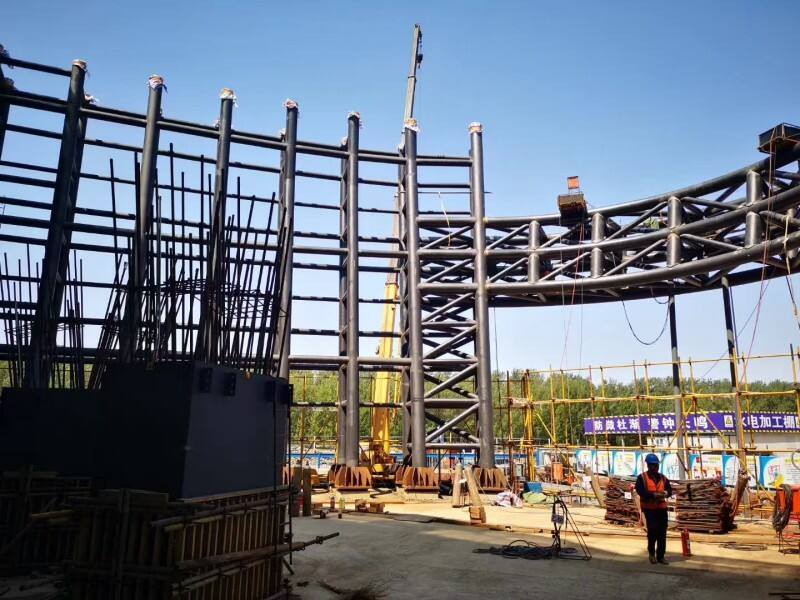
Steel Structure Strength and Flexibility for High-Performance Buildings
Yield Strength, Ductility, and Dynamic Load Response
Steel structures have really impressive yield strength, usually between 250 and 550 MPa, which means they can handle massive vertical loads without bending out of shape permanently. The strength to weight ratio of steel is about 50% better than concrete, making it possible to build lighter structures that still get the job done. What makes steel so special though is its ductility. Steel can stretch around 15 to 20 percent before breaking, which helps absorb those powerful seismic waves and strong winds through controlled flexing. When an earthquake hits, this property spreads the stress throughout the entire structure rather than concentrating it in one spot, cutting down on collapse risks by maybe as much as 40% when compared with materials that just crack and break. Because steel has such a uniform makeup, it responds consistently and predictably to different kinds of movement. This includes handling vibrations from heavy machinery or even blast impacts, keeping everything intact where structural performance matters most.
Comparative Flexibility vs. Concrete and Timber Systems
When it comes to applications where flexibility matters most, steel really stands out. It can support column free spaces stretching as far as 100 meters, almost twice what concrete typically manages before needing reinforcement. Concrete on the other hand tends to be pretty rigid stuff, so it needs those expansion joints everywhere to handle cracks from temperature changes. Steel just expands evenly at around 12x10^-6 per degree Celsius, which keeps everything connected properly without all those annoying joints. Wood does offer some flexibility too, but watch out when humidity levels rise because its strength drops anywhere between 30 to maybe even 50 percent in damp conditions. Take a look at steel's elastic modulus of 200 GPa though, and suddenly things get interesting. After something dramatic happens like a hurricane hits, steel bounces back three times better than concrete does, meaning buildings can reopen sooner rather than later. That kind of adaptability makes sense for places like warehouses or big stadiums where having open space without columns increases usable floor area somewhere around 5 to 7 percent compared to traditional building methods.
Steel Structure Durability: Mitigating Environmental Degradation
Corrosion Resistance Strategies: Coatings, Alloys, and Cathodic Protection
Steel’s primary durability challenge is corrosion—driven by moisture, industrial chemicals, and saline exposure. Three proven, complementary strategies mitigate degradation:
- Protective coatings, such as hot-dip galvanizing or epoxy systems, form robust physical barriers against oxidation;
- Corrosion-resistant alloys, including ASTM A588 weathering steel, develop adherent, self-limiting rust patinas that slow further deterioration;
- Cathodic protection, using sacrificial zinc anodes or impressed-current systems, interrupts electrochemical corrosion at the metal surface.
When combined with routine inspection and maintenance, these approaches extend service life beyond 50 years—even in aggressive marine or industrial environments. Strategy selection hinges on exposure severity: marine installations often integrate galvanizing with cathodic protection, while urban infrastructure may rely on weathering steel with periodic coating touch-ups.
Fire Performance of Modern High-Strength Steel and Intumescent Solutions
Steel starts to lose its strength once temperatures get past around 600 degrees Celsius, which is roughly 1112 Fahrenheit. But don't worry, modern fire protection systems keep structures standing even when things go south during emergencies. The stronger types of steel actually hold up better under heat compared to regular steel grades. When it comes to coatings, there's this stuff called intumescent coating that looks like regular paint but does something amazing when exposed to heat. It expands by about fifty times its original size, creating a kind of insulating layer that slows down how fast the metal heats up. For those who prefer passive methods, wrapping steel in concrete or using special gypsum boards works pretty well too. These different approaches combined can give buildings over two hours of fire resistance rating, giving people plenty of time to evacuate safely while firefighters do their job. Interestingly enough, most steel structures collapse in fires because of failed connections rather than individual components failing. That's why engineers focus extra attention on protecting those critical joints first, making sure the whole system stays intact instead of just meeting minimum standards for each part separately.
Optimizing Steel Structure Design for Efficiency and Resilience
BIM-Driven Load Path Validation and Structural Integration
When it comes to steel structures, Building Information Modeling (BIM) really transforms how we approach optimization. With BIM, engineers can validate load paths in real time while coordinating across different disciplines. They run simulations for gravity loads, wind pressures, and even earthquake scenarios all within that shared 3D space. This helps spot where stresses might build up and lets them adjust member sizes accordingly. We typically see around a 15 to 25 percent reduction in overall steel usage without any drop in safety standards. What's more, these integrated workflows make sure structural designs work seamlessly with mechanical systems, electrical installations, and architectural features long before anyone starts cutting metal. Take beam-column connections for instance. Digital validation catches potential issues early on, saving money that would otherwise go toward fixing mistakes at the job site. Construction schedules often speed up by about 30% too. At the end of the day, what we get is a structure that's both lighter and stronger. The algorithms distribute materials where they're needed most, and thorough analysis of possible failure points throughout the whole system gives us peace of mind knowing everything works together as intended.
Accelerating Steel Structure Deployment Through Advanced Fabrication
Prefabrication, Robotic Welding, and Just-in-Time Assembly
The way we deploy steel today has changed quite a bit thanks to better fabrication tech and smarter logistics. When companies prefabricate steel parts, they actually do most of the cutting, drilling, and assembly work inside temperature controlled factories. This approach makes measurements much more accurate and cuts down on site labor needs too. Some studies show this can reduce weather related delays by around 30 to 40 percent, which matters a lot during rainy seasons or extreme temperatures. Another big plus is robotic welding technology. These machines create joints that meet all building codes consistently, and they work at about double the speed compared to what humans can manage manually. That means fewer mistakes and less need for fixing things later. The just in time delivery system works wonders too. By timing component shipments exactly when workers need them during construction, sites stay less cluttered and storage costs drop significantly. Putting all these innovations together allows complete steel frame projects to get done roughly half as fast as older methods did back in the day. Industry reports from groups like the American Institute of Steel Construction support these findings in their 2025 Modern Steel Construction publication. What this really means is that steel isn't just another building material anymore. It's become something that helps builders finish jobs quicker, maintain higher quality standards, and create structures that stand up well against whatever challenges come their way.
FAQ
What is the yield strength of steel structures?
The yield strength of steel structures typically ranges between 250 and 550 MPa, allowing them to handle massive loads without permanent deformation.
How does steel compare to concrete in terms of flexibility and strength?
Steel offers superior flexibility and strength compared to concrete, with the ability to support larger column-free spaces and better rebound after natural disasters.
What strategies are recommended for mitigating steel corrosion?
Recommended strategies include protective coatings, corrosion-resistant alloys, and cathodic protection to extend the steel structure's lifespan.
How does steel perform in fire situations?
Steel can lose strength at high temperatures, but modern fire protection systems like intumescent coatings can provide extended fire resistance.
What advances in technology contribute to faster steel structure deployment?
Prefabrication, robotic welding, and just-in-time assembly are recent advances aiding in quicker, efficient steel structure deployment.