 EN
EN

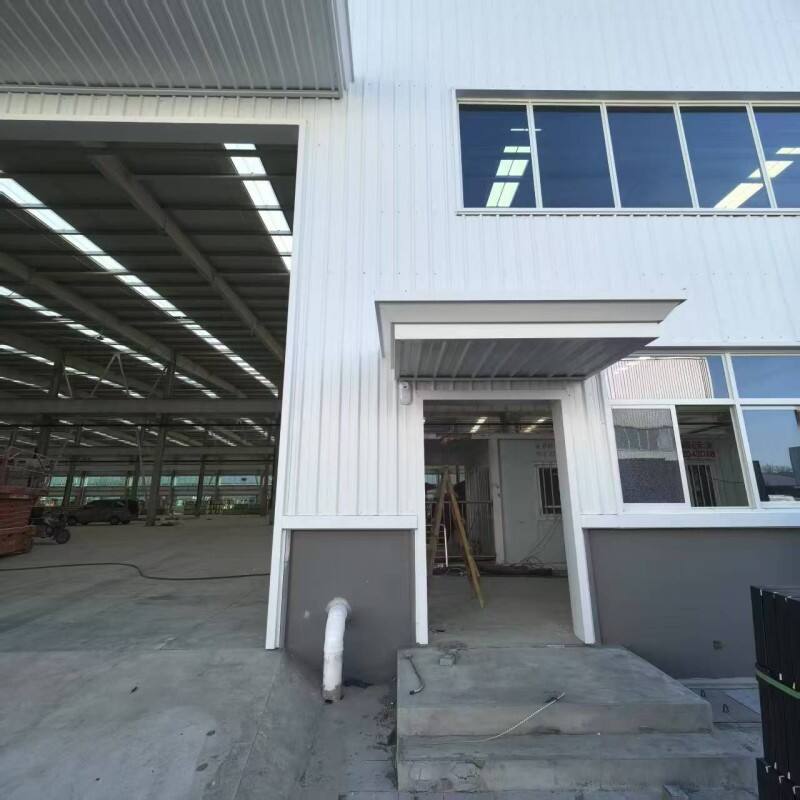
Why Steel Structures Dominate Critical Infrastructure Projects
Unmatched Strength-to-Weight Ratio and Load-Bearing Efficiency
The strength to weight ratio of steel lets engineers build strong structures while using far less material than other options. When building something like a bridge or factory floor, this means foundations can be smaller too sometimes cutting them down by around 25% compared to what would be needed with concrete all while still holding up just fine under heavy loads. Steel has impressive tensile strength ranging from about 400 to 550 MPa which makes it stand up well against things like strong winds blowing across buildings or earthquakes shaking ground beneath them. On tight deadlines and limited budgets, prefab steel parts really shine because they get made accurately in factories then bolted together quickly at job sites. No wonder so many critical infrastructure projects rely on steel when there’s simply no room for mistakes in structural integrity.
Proven Performance in Extreme Environments: Bridges, Skyscrapers, and Offshore Platforms
Steel buildings keep standing strong even when Mother Nature throws everything at them, whether it’s those hurricane battered coasts or areas where earthquakes shake things up regularly. Take suspension bridges for instance, they’re built with special steel that won’t rust easily, so they can handle all that salt air from the ocean plus tons of cars driving over them day after day. Skyscrapers rely on steel too because it bends just enough without breaking when winds howl or tremors hit, which means the whole building doesn’t suddenly snap in half like some other materials might. Look at offshore oil rigs out there in the middle of nowhere, fighting off waves that never stop crashing against them, dealing with saltwater eating away at metal, and supporting massive machinery weights all year round. Still standing tall though! All these practical tests in the real world back up what engineers see in their computer models and what gets measured over years of actual use. That’s why steel remains the go to material for any structure where failure isn’t an option.
Key Steel Structure Systems and Advanced Material Innovations
Modern Framing, Bracing, and Bolted/Welded Connection Systems
Modern steel buildings depend heavily on advanced framing systems like moment-resisting frames and various types of braced frames to get the most out of how loads are distributed throughout the structure. When engineers use slip critical bolts and automated welding methods, they’re not just making connections stronger but also improving how easy these structures can be built and assembled on site quicker than traditional methods allow. The real advantage comes when these systems let forces move predictably between different parts of the building such as beams, columns, and truss work. This means we can actually save materials without compromising safety standards, especially important in areas prone to earthquakes. Take eccentrically braced frames as an example. These special designs help buildings withstand tremors by allowing certain parts to give way in a controlled manner during shaking events, which protects the main structural components from serious harm.
High-Strength Low-Alloy (HSLA) and Weathering Steels for Longevity and Reduced Maintenance
High Strength Low Alloy (HSLA) steels offer about 20 to 30 percent more strength than regular carbon steel. This means engineers can design structures that are lighter weight while still keeping those important safety standards intact. When it comes to weathering steels, they develop what’s called a tight rust patina on their surface. This actually stops more rust from forming so there’s no real need for paint or other protective coatings in most situations. The reason behind this self protection? Copper and chromium mixed into the steel during production. These additives cut down maintenance expenses significantly too. Studies indicate around 30 to 50 percent savings over fifty years when compared to traditional painted options according to research published by NIST back in 2022. Real world observations have found that bridges made from weathering steel last approximately sixty years with very little upkeep required. This makes them especially good choices for places near saltwater coastlines or industrial areas where normal steel would corrode much faster.
Sustainability and Lifecycle Advantages of Steel Structures
Circular Economy Leadership: 93% Recycled Content and Infinite Reusability
The construction industry is seeing steel at the forefront of its circular economy efforts, with around 93 percent of structural sections made from recycled materials. What makes this so impressive is how steel keeps all its strength properties even after being recycled countless times. Think about it: those old beams taken down from buildings today get melted down and turned back into new columns tomorrow without any drop in quality whatsoever. The whole process works like a loop where almost every single piece gets recovered when buildings come down, which means very little structural steel ends up in landfills. And there’s another big plus too. Recycling steel saves loads of energy compared to making it fresh from raw materials. We’re talking about roughly 74% less energy needed, which is why architects and builders keep turning to steel when they want their projects to meet green standards or hit those ambitious net-zero targets for emissions.
Embodied Carbon Context: 30% Lower CO2e vs. Concrete per Unit Load-Bearing Capacity
Steel structures actually produce around 30% fewer greenhouse gas emissions compared to concrete when looking at their load bearing capabilities. Why? Because steel has this great strength to weight ratio thing going on. Basically, we need less material to hold up the same amount of weight, which means lower emissions throughout the whole process from mining raw materials all the way through transportation. The newer electric arc furnaces are making things even better these days. These facilities now run on about 90% recycled scrap metal, slashing carbon output by nearly 60% compared to old school blast furnaces. And let’s not forget maintenance costs over time either. Steel buildings don’t require constant repairs like some other materials do, so they keep those emission numbers down for decades. All told, steel isn’t just strong and durable it’s becoming increasingly clear that it aligns well with our environmental goals too.
FAQ
Why is steel preferred for infrastructure projects?
Steel is preferred due to its high strength-to-weight ratio, durability, and ability to be quickly assembled on-site. These traits make it ideal for projects where structural integrity is crucial.
What are the environmental benefits of using steel?
Steel structures produce approximately 30% fewer greenhouse gas emissions compared to concrete. Additionally, steel is extensively recycled, reducing the need for new raw materials and energy consumption.
How does steel perform in extreme environments?
Steel performs exceptionally well in extreme environments due to its ability to resist rust and its flexible properties, allowing it to withstand high winds and earthquakes.
What advancements have been made in steel framing systems?
Modern steel structures use advanced framing systems like moment-resisting frames, brace types, and slip critical bolts that allow for efficient load distribution and quicker assembly.