 EN
EN

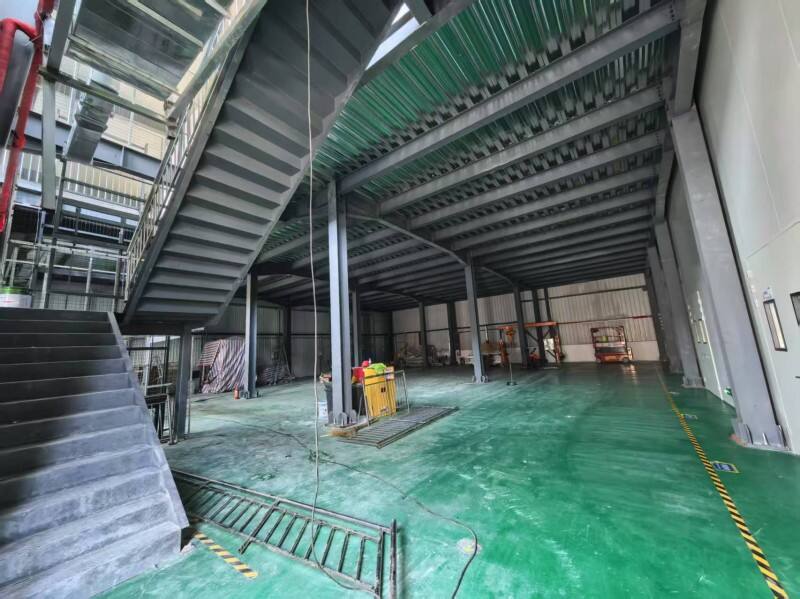
Strategic Cost Optimization in Steel Structure Design
Cost savings for steel structures actually start way before any digging happens the decisions made during initial design have a huge impact on what the whole project will ultimately cost. When builders stick to standard sizes like 40 by 60 or 60 by 100 foot layouts and keep the building shapes simple, they can cut down on wasted materials by around 15 to maybe even 30 percent. This approach also makes fabrication much easier to handle. With modern modeling tools, engineers get really accurate load calculations. These tools help maintain structural strength while avoiding unnecessary reinforcement work. The result? Less money spent on buying extra materials, fewer unexpected adjustments needed at the construction site, and better overall control of the project's finances throughout development.
Early-Stage Design Decisions That Reduce Total Project Cost
- Standardized sizing: Industry-common dimensions minimize custom fabrication fees and accelerate permitting
- Load-optimized frameworks: Digital modeling eliminates excess material while preserving safety margins
- Simplified geometries: Avoiding curves and complex angles cuts fabrication time by up to 40%
- Future expansion planning: Modular-ready designs defer retrofitting costs and preserve long-term flexibility
Prefabrication and Standardized Steel Structure Components for Predictable Budgeting
Factory-controlled manufacturing replaces uncertainty with repeatability. Pre-drilled beams and panelized walls arrive with 95% fit accuracy, eliminating most on-site adjustments. This delivers three core advantages:
- Fabrication efficiency: CNC cutting limits raw material waste to under 3%, versus 15% in conventional methods
- Labor economy: Bolted connections require 50% less skilled labor than welding
- Schedule certainty: Parallel foundation work and off-site fabrication reduce overall timelines by 30%
The synergy between disciplined design and precise manufacturing ensures components meet 1/8-inch tolerances—enabling seamless assembly regardless of crew experience. Steel construction evolves from a variable-cost process into a predictable, high-confidence investment.
Operational Efficiency Gains in Steel Structure Construction
Steel structure construction delivers measurable operational efficiencies that compress schedules and tighten budgets—without compromising quality or safety.
Labor Savings Through Precision Fabrication and Bolted Connections
Factory-fabricated components arrive site-ready, eliminating field measurements, rework, and fit-up delays. Bolted connections further simplify erection—requiring no welding certifications or specialized equipment. These factors collectively reduce labor costs by 3–4% of total project value through faster deployment and optimized crew utilization.
Near-Zero Material Waste via Digital Modeling and CNC Steel Cutting
Digital 3D modeling identifies conflicts and optimizes material use before cutting begins. Paired with CNC systems, steel components are produced with near-perfect accuracy—achieving over 99% material utilization. Unlike timber, where ~40% becomes waste, steel offcuts are immediately recycled, eliminating disposal costs and supporting LEED certification.
These efficiencies compound: faster builds mean earlier occupancy, while predictable execution prevents the budget overruns common in traditional construction.
Accelerated Timeline: How Steel Structure Erection Cuts Project Duration
Steel structures compress schedules through three interlocking advantages: prefabricated, ready-to-assemble components; parallel workflows (e.g., foundations built while components are fabricated); and rapid bolted erection—typically 30–50% faster than concrete alternatives. The result is tangible financial upside: lower labor and equipment costs, earlier revenue generation, and reduced financing charges.
| Construction Phase | Traditional Building | Steel Structure | Time Reduction |
|---|---|---|---|
| Foundation to Enclosure | 12–16 weeks | 6–8 weeks | ≈50% |
| Project Completion | 20–24 weeks | 12–14 weeks | ≈40% |
Streamlined assembly also reduces weather-related delays—enhancing delivery predictability and enabling businesses to occupy and monetize space months sooner.
Lifecycle Value: Durability, Low Maintenance, and ROI of Steel Structure
Corrosion Resistance, Adaptability, and End-of-Life Recyclability
With today's protective coatings, steel structures can last way beyond 50 years even when exposed to harsh conditions, beating both wood and concrete in terms of how long they last and how much maintenance they need. Unlike other materials, steel doesn't suffer from rotting, termite damage, or cracking issues which means far less work keeping them in good shape over time. The clear span designs and bolted joints make it simple to modify spaces as requirements change, so building owners don't have to tear things down and start fresh whenever their needs shift. When these structures reach the end of their useful life, almost all of the steel can be recycled back into new products, cutting down on waste going to landfills and saving valuable resources. Research indicates that properly maintained steel buildings still hold around 90% of their original strength after four decades or so, resulting in roughly 30 to 40 percent savings compared to traditional options over the long haul. All told, the combination of being resistant to corrosion, adaptable for different uses, and completely recyclable makes steel a smart investment choice that supports environmental sustainability at the same time.
FAQ
Why is steel structure design cost-efficient?
Steel structures are designed with standardized sizes and simple geometries, which reduce material waste and fabrication costs by up to 30%. Digital modeling optimizes material use, further enhancing cost efficiency.
What are the benefits of prefabrication in steel construction?
Prefabrication ensures components have a 95% fit accuracy, reduces raw material waste, requires less skilled labor, and allows parallel workflows, all contributing to more predictable budgeting and faster timelines.
How do steel structures achieve near-zero material waste?
Steel construction utilizes digital modeling and CNC cutting for high material utilization. Steel offcuts are recyclable, ensuring waste is minimized and contributing to environmentally friendly building practices.
What is the long-term return on investment for steel structures?
Steel structures offer durability, require minimal maintenance, adapt easily to different uses, and are fully recyclable, delivering long-term savings and supporting sustainability.