 EN
EN

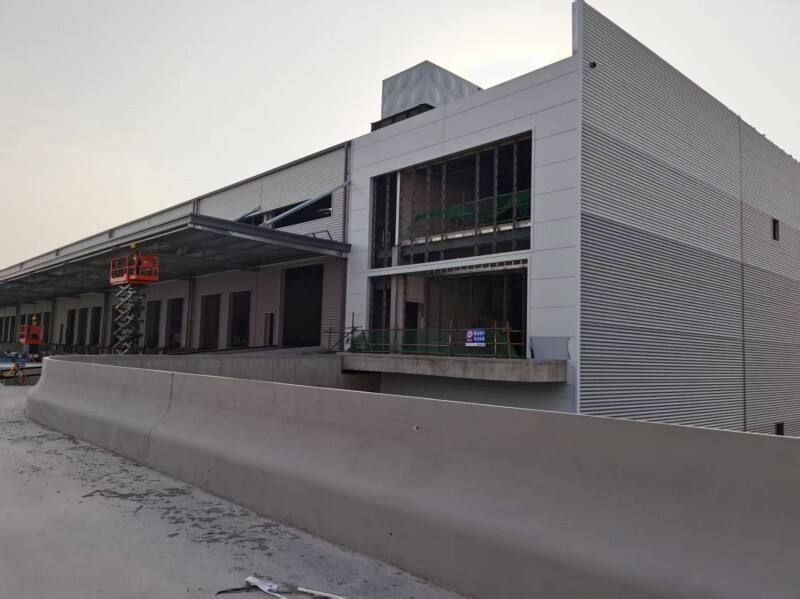
Foundational Steel Structure Design Principles
Strength, Stiffness, and Stability: The Three Pillars of Reliable Steel Structure Design
Steel structures need to find the right balance between three key properties if they want to stay safe, work properly, and last for years. First comes strength, which basically means how much weight or force the material can handle before breaking. Good quality structural steel usually hits yield strengths over 400 MPa these days. Then there's stiffness, which controls how much something bends when loaded. If a beam deflects too much, problems happen fast - think of cranes where rails get out of alignment or flat roofs collecting water instead of shedding it. And finally we have stability, crucial for preventing sudden failures like buckling. Columns in skyscrapers or tall factory buildings are particularly vulnerable here because their slender shape makes them prone to collapse catastrophically without warning. These three aspects really work together as a safety triangle. Cut corners on any one part, and the whole system becomes compromised. Take the tragic collapse at Hartford Civic Center back in the day. Even though the materials were strong enough, poor lateral stability led to a chain reaction failure that NIST later studied extensively. That's why serious engineers always check all three factors thoroughly during their calculations long before cutting metal.
Aligning with Vietnam’s Regulatory Framework: TCVN 5575:2012 and Key International Standards (AISC, ASCE)
Steel construction projects in Vietnam follow TCVN 5575:2012, which lays out all the important details about how much weight structures need to handle, what materials should be used, safety margins, and ways to check if everything meets requirements. The standard actually takes into account some pretty harsh local conditions too. Think about those powerful monsoons blowing at around 150 km/h, the constant battle against rust caused by tropical humidity, and different levels of earthquake risk throughout the country. When it comes to international standards, they're not just there for show either. AISC 360 gives solid advice on things like connecting beams together properly, making sure columns don't buckle under pressure, and designing joints that can bend without breaking. Meanwhile, ASCE/SEI 7 has become something of a gold standard worldwide for figuring out how to combine various forces acting on buildings from wind, earthquakes, and even snow (though snow isn't really a problem in most parts of Vietnam). By combining these Vietnamese regulations with American standards, engineers can satisfy local laws while still using cutting edge techniques. Take moment frame designs from AISC for example these help buildings withstand sudden impacts from heavy cranes in factories. So this mix of standards means Vietnamese structures stay safe despite all the challenges posed by the tropics, but still maintain the kind of engineering quality expected anywhere else in the world.
Selecting the Optimal Steel Structure Type for Vietnamese Projects
Performance Comparison: Frames, Trusses, Portal Rigid Frames, Arches, and Grids in Tropical Industrial Applications
Vietnam's tropical climate brings its own set of challenges for steel structures. With temperatures that stay high year round, humidity levels often above 80%, and salt air battering buildings near the coast, choosing the right steel framework becomes critical for both how well it works structurally and how long it lasts against the elements. Frame systems give architects lots of freedom when designing complicated spaces, though they require more materials overall and need special attention to handle expansion from heat changes. For big industrial spaces over 30 meters wide where columns would get in the way, truss systems work really well. That's why so many manufacturing plants go with them. Warehouse builders tend to favor portal rigid frames because they can be made off site quickly, assembled on location without much fuss, and create those valuable open spaces without support columns getting in the way. Arched designs distribute weight evenly across their surface and look great too, which makes them popular choices for airplane hangars and sports arenas. Space grids are another option worth considering for stadium roofs since they're super strong and have built-in backup if parts fail. No matter what type gets chosen though, fighting corrosion should always come first. Hot dip galvanizing plus a good coat of epoxy polyurethane paint can keep coastal buildings looking good and functioning properly for around 15 to 20 extra years. And don't forget about thermal expansion either. If steel isn't allowed to expand naturally as it heats up, those welds and connection points will start developing cracks that nobody wants to deal with later on.
Real-World Trade-off Analysis: Portal Rigid Frames in Vietnamese Warehouses — Cost, Speed, and Lateral Load Response
Portal rigid frames offer some pretty good benefits for logistics infrastructure in Vietnam. The prefabricated parts that connect with bolts cut down on site work and speed up construction time by around 30% compared to regular frames, which saves between $18 and $25 per square meter in labor costs. These frames also have an open layout that makes it easier to arrange things inside and move materials quickly. But there's a catch when dealing with Vietnam's strong typhoons that hit at speeds over 150 km/h. To handle this, builders need special solutions like base plates that resist being pulled up, diagonal supports in the roof area to make the whole thing stiffer, and connections between beams and columns that can withstand swaying forces. When these improvements were applied to warehouses built in Da Nang last year, they managed to cut sideways movement caused by wind by about 40% compared to standard designs. Sure, making the frames more resistant to wind does add roughly 7% to the upfront cost, but fixing damage later and avoiding downtime pays back that investment within five to eight years. What really matters though is how much quicker these frames allow people to start using buildings. They get warehouses ready for business about 45% faster than concrete options, which explains why many companies prefer them when timing is everything.
Material Selection and Climate-Adaptive Steel Structure Design
How Tensile Strength, Ductility, and Toughness Directly Impact Structural Integrity and Collapse Resistance
The tensile strength, ductility, and toughness of steel determine how well it can handle extreme loads without failing suddenly, which is really important in places like Vietnam where earthquakes and typhoons are common. When talking about tensile strength, we're basically looking at how much force the steel can take before it starts to deform permanently under intense winds or seismic activity. Ductility lets the metal bend and stretch instead of breaking all at once, which helps dissipate energy during shaking events. The Vietnamese standard TCVN 5575:2012 actually sets minimum requirements for elongation to make sure this happens. Toughness refers to a steel's ability to soak up energy before cracking, something measured through tests like Charpy V-notch impact testing. Steel that meets or exceeds 27 joules at zero degrees Celsius significantly lowers the chance of collapse by around 40% when faced with overloads or cold weather stresses, especially on coastal bridges exposed to saltwater corrosion. All these characteristics work together in practice: strength stops things from giving way initially, ductility spreads out the stress so no single spot gets overloaded, while toughness stops cracks from spreading until they become dangerous.
Corrosion Mitigation and Fatigue Management for Steel Structure Longevity in Vietnam’s Humid-Tropical Environment
The tropical climate in Vietnam really speeds up metal corrosion problems. With humidity typically around 80% and rain falling more than 2,600 mm each year, corrosion happens about 150% faster than in dry regions. The first line of defense against this? Hot dip galvanizing (HDG). This process coats steel with zinc that actually sacrifices itself to protect the underlying metal. In countryside areas, HDG can last over half a century, though near the coast where salt air hangs around, it holds up for about 20 to 30 years before needing attention. Engineers often combine HDG with other coatings like epoxy-polyurethane finishes on top of the galvanized surface. These combinations work wonders at extending how long structures stay intact while also standing up better to sun damage. When dealing with parts that experience constant stress from things like cranes moving back and forth during monsoons, professionals use special math models called S-N curves to figure out when inspections are needed based on wear patterns. Good design matters too. Making sure surfaces slope at least 5 degrees helps water drain away instead of pooling. For coastal projects where saltwater gets everywhere, using ASTM A588 steel makes sense since it handles chloride exposure better. And regular checks with ultrasonic testing every two years catch hidden cracks before they become major issues. Putting all these methods together cuts down on repair costs by roughly 60% over three decades, and keeps infrastructure running longer than what local standards even require.
End-to-End Steel Structure Implementation: From Calculation to Construction
Integrated Workflow: Load Modeling, Structural Analysis, and Bearing Capacity Verification per TCVN/ASCE 7
Having a well organized workflow helps maintain structural integrity throughout the entire process from initial design to final installation. The process starts with figuring out all the different loads acting on the structure. This includes dead loads which is basically the weight of the structure itself, live loads from people and equipment moving around, plus environmental forces like wind according to Vietnamese standards and earthquakes as specified in American codes. Then comes the structural analysis phase where engineers use specialized software to simulate how these various loads interact. They look at things like where stresses build up, how much the structure bends or twists, potential buckling points, and what kind of demands are placed on joints and connections. After that, we check if each component can actually handle what it's being asked to do. We compare everything against yield limits, buckling risks, and connection strengths using safety factors recommended by those same standards documents. Going digital first means catching problems way before any actual construction happens, saving money that would otherwise go into fixing mistakes on site. Take moment connections for instance. When we validate them virtually first, we avoid situations where parts don't fit together properly when they arrive on site, something that typically causes delays of about two to four weeks. Following this method makes sure everything meets regulations, but it also improves how easy structures are to build, maintains better quality control during construction, and results in buildings that perform well over time. Steel structures built this way stay safe, work efficiently, and withstand whatever challenges Vietnam throws at them.
FAQ
What are the key principles in steel structure design?
The key principles in steel structure design are strength, stiffness, and stability. These elements ensure the safety, functionality, and longevity of the structure.
Why are specific standards like TCVN 5575:2012 important in Vietnam?
TCVN 5575:2012 is important in Vietnam as it provides crucial guidelines taking into account local environmental conditions like monsoons, humidity, and earthquakes, ensuring structures are safe and durable.
How do portal rigid frames benefit construction in Vietnam?
Portal rigid frames offer cost and time savings by being prefabricated, speeding up construction. They also provide open layouts ideal for logistics, with added wind resistance special features.
How is corrosion managed in Vietnam's tropical climate?
Corrosion is managed through hot dip galvanizing and protective coatings, as well as design strategies that promote drainage and regular inspections to enhance longevity.