 EN
EN

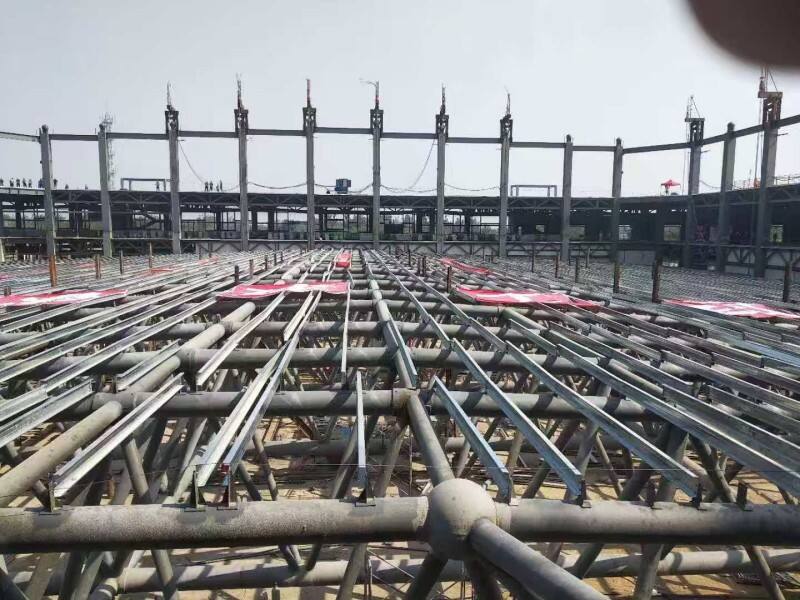
Upfront Cost Advantages of Steel Structures
Prefabrication and Modular Assembly Drive Initial Construction Savings
Steel buildings take advantage of controlled factory production to create exact parts that arrive ready for installation at construction sites. The prefabricated approach reduces on site work time by around 30 to 50 percent when compared with standard concrete methods according to industry standards, making the actual building process much faster since everything just bolts together. Contractors report fewer problems with bad weather holding things up, finding enough trained workers, and having to fix mistakes later. Take a typical 10,000 square foot warehouse as an example. With steel construction, projects finish about 8 to 12 weeks sooner than they would otherwise. That means real money saved too somewhere between fifty thousand and a hundred and twenty thousand dollars less spent on loans, office expenses, and storage while waiting for completion.
Material Cost Stability: Why Structural Steel Outperforms Concrete and Timber on Price Predictability
When it comes to price stability, structural steel just beats out timber and concrete hands down. These other materials are constantly affected by all sorts of factors like supply chain issues, what time of year it is, and where exactly they're being sourced from. Looking at market data over recent years shows something pretty interesting too. Steel prices tend to swing around about 40 percent less than those crazy fluctuations we see in lumber markets, and roughly 25 percent less volatile compared to ready mix concrete costs across five year spans. Why does this happen? Well, steel production follows pretty standard processes worldwide, plus shipping and handling is generally much smoother across borders. For construction professionals planning their budgets upfront, this means fewer surprises down the road. No need to set aside huge chunks of money as contingencies like many have to do when working with wood or concrete projects that can suddenly become cost nightmares due to unexpected material price jumps.
Accelerated Project Delivery and Labor Efficiency
30–50% Faster Build Times: How Steel Structure Speed Reduces Overhead and Financing Costs
Steel prefabs can cut down construction time by anywhere from 30 to 50 percent compared to traditional building approaches. When parts are made offsite, foundations can be laid while the actual structure gets assembled at the same time, which typically shortens timelines by several months. There's just not as much manual labor needed on location anymore. Plus, bad weather doesn't really slow things down much these days, and mistakes happen far less often than they used to. All this adds up to lower costs for rented machinery, security personnel, temporary buildings, and other admin expenses somewhere around 20 to 30 percent overall. Take a $5 million project for instance. Saving even one month means about $25k less in interest payments according to industry standards from last year. And getting into the space earlier means money starts coming in sooner whether it's through tenants paying rent, starting business operations, or selling the property outright.
Key efficiency drivers:
- Off-site fabrication: Cuts on-site labor hours by up to 70%
- Parallel workflows: Foundations and framing progress simultaneously
- Weather resilience: No curing delays, unlike concrete
Lower Lifecycle Costs Through Durability and Low Maintenance
50+ Year Service Life with Minimal Upkeep: Corrosion Resistance, Warranty Data, and Insurance Implications
Galvanized and coated structural steel typically lasts well beyond 50 years without showing signs of structural problems, which makes it a much better choice than wood that rots or gets eaten by insects, or concrete that tends to crack and rust inside. Facility managers across the country have noticed their maintenance costs drop by about 60% per year when compared to other building materials according to industry reports from last year. Most certified steel structures come with warranties lasting over three decades now, giving building owners peace of mind about future expenses and cutting down on unexpected repair bills that can really add up over time.
The insurance market actually rewards this kind of reliability. Buildings constructed with corrosion resistant steel frames typically enjoy insurance rate reductions between 15 and 25 percent. Major insurers like FM Global have acknowledged that steel stands up better against common threats including fire, water damage, and biological degradation. Their data shows facilities built with steel report around 70% fewer structural damage claims when looking at 20 year periods according to their 2023 construction risk analysis. What's interesting is that while upfront material costs make up just about 20 to 30% of what owners end up spending overall, the real money saving comes from reduced maintenance needs, fewer repair jobs, and maintaining business operations without interruptions. This makes durability not just a quality feature but a financial advantage over time as noted in ArchCity Steel's 2024 industry analysis.
Future-Proofing ROI: Adaptability and Reusability of Steel Structures
Expansion, Relocation, and Deconstruction: Real-World ROI from Adaptive Steel Structure Design
The modular nature of steel makes it easy to modify buildings without causing too much disruption. Want to add mezzanines, create new floor openings, or reinforce load-bearing areas? Steel structures allow these changes without tearing things apart or shutting operations down for weeks. This kind of flexibility really matters when spaces need to change over time, especially in places like distribution centers or factories where needs constantly shift. Steel parts differ from concrete in an important way they can actually be taken apart, fixed up, and moved to another location. Most of the material retains its value too about 80 to 90 percent according to industry estimates. Warehouse managers report that using adaptable steel designs saves them anywhere from 40 to 60 percent on moving expenses compared to starting fresh with construction. Plus, since steel doesn't burn easily and resists rust, buildings last longer than half a century. Insurance companies notice this durability and often offer better rates. What's more, properties built with steel tend to appreciate in value instead of depreciating like traditional buildings do. The result? Lower total ownership costs and facilities that stay useful and valuable for decades longer than expected.
Frequently Asked Questions
What are the upfront cost advantages of steel structures?
Steel structures offer significant upfront cost advantages due to prefabrication, which reduces on-site construction time and leads to initial savings on labor and building costs.
How does steel's price stability compare to other materials?
Steel offers better price predictability than timber and concrete, being less affected by market fluctuations due to a globally standardized production process.
Are steel structures quicker to build compared to traditional methods?
Yes, steel structures can be built 30-50% faster than traditional concrete methods, which reduces overhead and financing costs.
Why are steel structures more durable and require less maintenance?
Steel is resistant to corrosion, pests, and weather impacts, requiring minimal upkeep and contributing to lower lifecycle costs compared to wood or concrete.
Can steel structures be modified or moved easily?
Yes, the modular design of steel structures allows for easy expansion, relocation, and deconstruction, helping maintain their value and adaptability over time.
Table of Contents
- Upfront Cost Advantages of Steel Structures
- Accelerated Project Delivery and Labor Efficiency
- Lower Lifecycle Costs Through Durability and Low Maintenance
- Future-Proofing ROI: Adaptability and Reusability of Steel Structures
-
Frequently Asked Questions
- What are the upfront cost advantages of steel structures?
- How does steel's price stability compare to other materials?
- Are steel structures quicker to build compared to traditional methods?
- Why are steel structures more durable and require less maintenance?
- Can steel structures be modified or moved easily?