 EN
EN

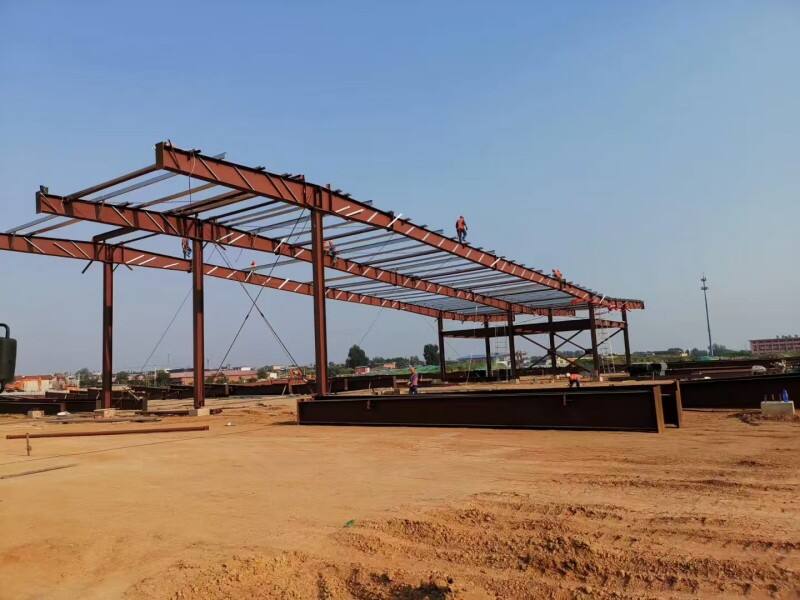
Steel Structure Building: From Utility to Aesthetic Catalyst
Reframing steel beyond load-bearing: Material as design protagonist
Steel structures today are doing much more than just holding things up. Architects are really getting creative with what steel can do because it's so thin, flexible, and works great with computer-controlled manufacturing. When we see those exposed steel beams and columns in modern buildings, they're not just there for support anymore. They actually become eye-catching features that stand out against other materials like glass or concrete walls. What makes steel special is how it handles complicated shapes and curves that would be impossible with traditional methods. Think about those twisting towers or sweeping arches we've been seeing lately - these designs wouldn't exist without steel's unique properties. Instead of hiding behind walls as it used to, steel is now front and center on building exteriors. This shift reflects changing attitudes in architecture where form and function aren't separate anymore but work together to create something both beautiful and practical.
Historical milestones: Eiffel Tower to Guggenheim Bilbao
Some of the most iconic buildings tell the story of how steel changed from something practical to something beautiful. Take the Eiffel Tower built back in 1889. At first people thought it was ridiculous to put all that iron on display, but what they saw was actually pretty amazing. The tower's latticework combined incredible strength with delicate lines that completely changed what cities looked like from above. Fast forward over 100 years and we get the Guggenheim Museum in Bilbao, completed in 1997. This building with its flowing curves covered in titanium really broke the mold. It wasn't just architecture anymore; it became art itself. These structures show us something important happened to steel along the way. What started as material for bridges and factories eventually became the stuff that makes entire communities proud. Steel doesn't just hold things up now; it tells stories and shapes who we are as people living in modern society.
Sculptural Possibilities Enabled by Modern Steel Structure Building Techniques
Cold-formed, curved, and hybrid steel systems unlocking fluid geometry
Steel fabrication methods today are changing how architects express their ideas, making those wild organic shapes possible that were once just sketches on paper. Cold formed steel can be shaped accurately without heating it up first, which cuts down on stress in the material while still getting those fancy curves right. Some builders mix steel with other materials too, like carbon fiber or wood, creating stronger yet lighter structures that seem to float against gravity. With parametric modeling software, complicated designs get turned straight into cutting instructions for machines, so even the most twisted beams come out within fractions of a millimeter accuracy. All these advances let designers build buildings that look more like sculptures than boxes anymore. Walls bend and flow across spaces, roofs move like water over surfaces, blending artistry with solid construction that stands up to whatever nature throws at it.
Case Study: Heydar Aliyev Center â where structural logic becomes artistic narrative
The Heydar Aliyev Center designed by Zaha Hadid really shows how steel has changed architecture forever. What makes this building so special is its smooth, wavy exterior that somehow manages to do away with all those traditional support columns and beams we usually see. They actually used around 12 thousand different steel panels for the whole thing, each one custom made using digital modeling and robots to create these flowing curved shapes. There's this central part of the building that looks kind of like a backbone, built with super strong steel trusses stretching an incredible 150 meters without needing any extra supports in between. This creates these massive open exhibition areas inside that feel totally uninterrupted. Looking at it now, it's clear why people say this building looks like a single piece of fabric just lifted right out of the ground. And interestingly enough, the precision of the steel framework actually cut down on construction time by about 30% compared to regular methods. So here we have proof that when engineers and artists work together, amazing things happen.
Steel Facades as Integrated Art: Identity, Light, and Parametric Expression
The way we build with steel today has completely changed what building exteriors can be. They're no longer just there to protect against weather but have become real works of art on their own. With parametric design software, architects can create shapes that would never work using old school methods. Think about those wavy metal surfaces that catch sunlight all day long and cast different shadows at every hour. What happens is pretty amazing actually. These shifting patterns make buildings look almost alive, like they're moving even when they aren't. And it's not just about looks either. Museums often put up steel screens with holes punched in them that echo local culture symbols. Corporate offices meanwhile tend to go for those folded panels that tell stories about their brands through shape alone. Steel really does let designers do whatever they want because it bends so well. Computer generated designs now combine both how buildings function and what they look like together seamlessly. The outside of a building isn't just insulation anymore but also serves as both temperature control system and public artwork rolled into one package. This blending of engineering know how with creative expression means facades are becoming the defining feature of modern steel structures everywhere.
Digital Integration: BIM, Fabrication Intelligence, and Collaborative Artistry in Steel Structure Building
Building Information Modeling or BIM has changed how steel structures get built by creating one central digital space for everyone involved. Architects, engineers, and steel fabricators can now work together much better than they could before. When teams share a 3D model, they spot conflicts early on, optimize the structure as needed, and simulate exactly how construction will happen step by step before anyone touches real materials. The best part? Fabrication software takes all those digital plans and turns them into instructions machines can follow. This cuts down on wasted steel by around 15% and ensures components fit together almost perfectly when they arrive on site. What's really exciting is how BIM opens doors for creative designs that would be impossible with traditional methods. Think about buildings with curved walls that bend in two directions or intricate lattice patterns that look like sculptures. Instead of fighting against physics, designers now work with it, blending engineering requirements with visual appeal in ways that just weren't possible a decade ago.
FAQ
What makes steel an essential material in modern architecture?
Steel's flexibility, strength, and compatibility with digital fabrication methods make it a versatile material that enables innovative designs like twisting towers and fluid shapes that are both functional and aesthetically appealing.
How has digital technology changed the way steel structures are designed and built?
Digital tools such as Building Information Modeling (BIM) and parametric modeling software allow for precision in design and fabrication, reducing waste and enabling complex shapes that marry structural integrity with artistic vision.
Can steel facades serve functions beyond aesthetics?
Yes, modern steel facades are not only artistic but also integrate functions such as temperature control, cultural expression, and brand storytelling, making them essential elements in contemporary architecture.
Table of Contents
- Steel Structure Building: From Utility to Aesthetic Catalyst
- Sculptural Possibilities Enabled by Modern Steel Structure Building Techniques
- Steel Facades as Integrated Art: Identity, Light, and Parametric Expression
- Digital Integration: BIM, Fabrication Intelligence, and Collaborative Artistry in Steel Structure Building
- FAQ