 EN
EN

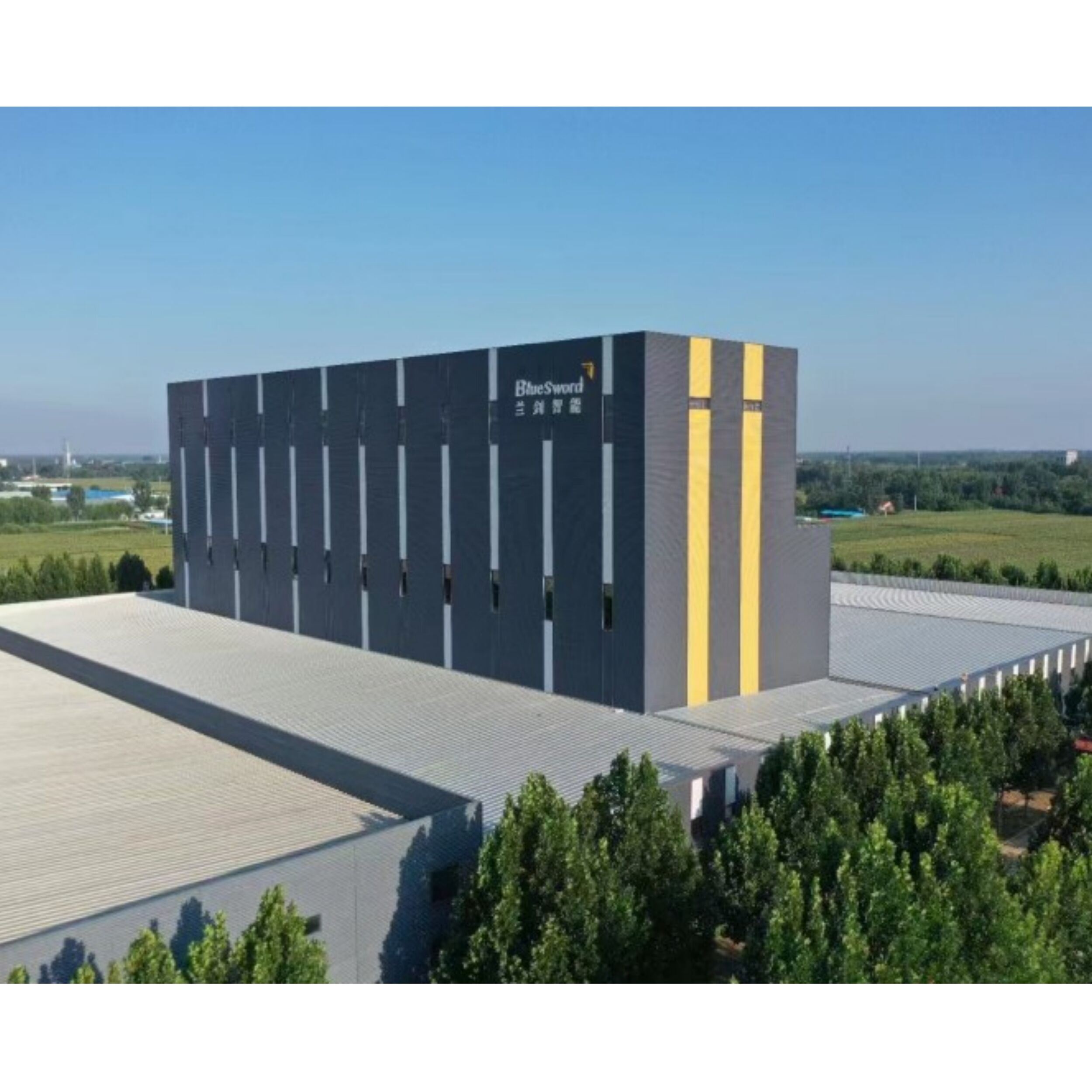
Why Steel Structure Workshops Build Faster Than Traditional Methods
Understanding the Speed of Construction in Modern Industrial Buildings
Steel structure workshops can cut project timelines down by about half when they use prefabricated parts along with carefully engineered designs. Most of the steel framing and cladding (around 70%) gets made at factories away from the construction site, which means workers can start laying foundations while putting together the actual structure at the same time. The result? A significant reduction in overall construction steps, somewhere between 30 to maybe even 40 percent according to data from the American Institute of Steel Construction in their latest 2025 report looking at faster building methods across the industry.
How Prefabricated Buildings Reduce On-Site Labor and Time
Moving much of the work off site through prefabrication can cut down on labor needs by around 60%. When things like portal frames and wall panels are already drilled and cut before arriving at the job site, construction teams can put together workshops covering 5,000 square meters in just over six weeks. That kind of speed simply isn't possible with traditional concrete methods. Weather problems that usually cause about a quarter of all project delays disappear entirely with this approach according to recent industry reports from late last year.
Comparative Timeline: Steel vs. Traditional Concrete Workshops
A typical steel workshop reaches weathertight status in 8–10 weeks, while equivalent concrete structures require 16–20 weeks due to curing times and sequential workflows. Key milestones contrast sharply:
- Foundation to Frame: Steel (3 days) vs. Concrete (21 days)
- Weatherproofing: Steel (7 days) vs. Concrete (28 days)
- Project Handover: Steel (Day 70) vs. Concrete (Day 140)
This efficiency stems from steel’s inherent flexibility and standardized connection systems, which enable 24/7 assembly cycles without material curing constraints.
Key Engineering and Planning Advantages Behind Fast Steel Workshop Assembly
Modular Construction and Its Role in Accelerating Steel Structure Workshop Assembly
Steel shops these days are turning to modular building techniques that can cut down construction time anywhere from 30 to maybe even 50 percent when compared with old school methods. The wall panels, roof trusses and framing components get made at factories ahead of time with all the necessary holes already drilled for connections. When they show up at the job site, workers can put together a completely weatherproof structure within just a few days instead of waiting through weeks of work. What's really interesting is how this method reduces the need for onsite labor by around 45 percent while still keeping things accurate down to the millimeter. That kind of precision makes all the difference when aligning heavy industrial machinery later on.
The Impact of Portal Steel Frame Design on Build Speed
Portal frames’ clear-span configurations eliminate interior columns, allowing single-day installations of 50-meter roof sections. Their standardized connections support parallel workflows: crews can install cladding while cranes position primary frames. Studies show this design reduces erection time per square meter by 65% versus multi-column layouts.
Efficient Planning and Execution Through Digital Modeling (BIM)
Building Information Modeling (BIM) streamlines steel workshop projects by:
- Resolving 92% of design conflicts pre-construction
- Automating material takeoffs within ±2% accuracy
- Generating QR-coded component tracking for just-in-time delivery
These digital workflows minimize rework and improve schedule adherence by 40%, even in complex MEP-integrated builds.
Material Selection and Quality Control in Off-Site Fabrication
Modern steel mills are starting to offer specialized alloys tailored for specific workshops, with much tighter dimensional control around ±1.5mm compared to the old standard of ±5mm. This kind of accuracy really helps when integrating different modules together without gaps or misalignment issues. Independent quality checks happening at fabrication plants catch about 98.7 percent of problems before anything leaves the facility, which is actually sevenfold better than what onsite inspectors typically manage. The improved precision also means construction projects don't have to wait those agonizing 21 days that concrete alternatives demand for proper curing, saving both time and money on schedule delays.
Real-World Examples of Rapid Steel Structure Workshop Deployment
Case Study: 6-Week Construction of a 5,000 sqm Workshop in Germany
A major German auto parts manufacturer recently finished building a massive 5,000 square meter steel workshop in an impressive 42 days thanks to entirely prefabricated components. They relied heavily on detailed digital blueprints to manage all 287 pre-cut steel columns and beams needed for the structure. About 92 percent of these connections were already standardized before delivery, which meant no time wasted on site with welding equipment. According to Engineering News-Record from last year, this method cut down weather related delays by almost two thirds when compared to regular concrete buildings. Such efficiency makes a big difference in regions where unpredictable spring weather often holds up construction schedules.
Accelerated Project Delivery in Automotive Sector Using Modular Construction
Major automakers now deploy modular workshops in 18–24 weeks versus 14+ months for conventional builds. One electric vehicle manufacturer installed a 12,000 sqm assembly facility through sequenced deliveries of 38 prefabricated steel units, achieving production readiness 22 weeks faster than permitted concrete alternatives.
Emergency Facility Deployment During Supply Chain Disruptions
When pandemic-related shipping delays threatened medical equipment production, a North American manufacturer erected a 3,500 sqm emergency workshop in 28 days using pre-engineered steel systems. The design used interchangeable components from regional suppliers, bypassing global material bottlenecks.
Time-Saving Outcomes From Standardized Connections and Components
| Construction Phase | Traditional Method | Steel Workshop | Time Saved |
|---|---|---|---|
| Foundation Work | 28 days | 10 days | 64% |
| Structural Installation | 45 days | 14 days | 69% |
| Weatherproofing | 21 days | 6 days | 71% |
Adoption of standardized steel connections has reduced installation labor by 40% (World Steel Association 2023), with bolt-fastened joints enabling precise alignment not possible with cast-in-place concrete.
Market and Industry Trends Fueling Demand for Faster Steel Workshop Builds
Rising Adoption of Prefabricated Buildings in Industrial Real Estate
More industrial developers are turning to steel structure workshops these days because they go up about 60 percent quicker than traditional buildings do. Market forecasts suggest that the prefabricated steel sector could almost double in size by 2031, mainly because companies want things built faster and spend less upfront money on construction. The modular nature of these structures gives plant operators real flexibility after the building is done. They can rearrange spaces as business requirements change over time, which saves them from having to shell out big bucks for expensive modifications down the road when supply chains shift unexpectedly.
Logistics and E-Commerce Expansion Requiring Rapid Facility Rollout
The global logistics sector’s 8.7% annual growth (IBISWorld 2025) has intensified demand for speed-to-market. E-commerce giants now require fully operational warehouses within 12–14 weeks—a timeline only achievable through steel workshops. Pre-engineered components eliminate weather delays, enabling year-round construction even in harsh climates.
Sustainability and Reuse Potential of Structural Steelwork Adoption
Steel’s 94% recyclability rate makes it central to sustainable industrial development. Facilities designed for disassembly allow entire structural systems to be relocated or repurposed, reducing lifecycle waste by 70% (Green Building Council 2025). This circularity aligns with tightening emissions regulations, positioning steel structure workshops as both agile and environmentally compliant solutions.
Balancing Speed and Durability: Ensuring Long-Term Quality in Fast-Tracked Projects
Debating the Trade-Offs Between Fast Construction and Material Longevity
Steel workshops built with modern methods typically finish 30 to 50 percent quicker than older construction techniques, though getting there means picking materials carefully. Top builders stick to ASTM certified steel and apply those special coatings that fight rust and wear. Why does this matter? Well, look at what happened recently. A study published last year in the International Journal of Steel Structures showed something interesting. They tested steel parts that had been through accelerated construction processes and found they still held about 98.2% of their original strength even after quarter century of service. That pretty much puts to rest the old belief that building fast somehow weakens structures over time.
Industry Paradox: Can Modular Construction Maintain Structural Integrity?
Steel workshops built in modular fashion still pack serious structural integrity despite using prefabricated parts. The secret lies in advanced connection techniques such as fully welded moment frames alongside those high strength bolted joints that hold everything together just as solidly as traditional construction methods do. Independent tests have confirmed what many in the field already know these systems can handle wind forces at 1.5 times their rated capacity, which translates to winds blowing around 150 miles per hour. They also perform well against earthquakes measuring up to magnitude 7.0 on the Richter scale provided installation follows the guidelines set out in AISC 360 standards. These findings give builders confidence that modular solutions won't compromise safety while offering faster assembly times and cost savings.
Risk Mitigation in Fast-Tracked Steel Structure Workshop Developments
Four strategies prevent quality issues in accelerated projects:
- Real-time BIM clash detection during offsite fabrication
- Automated weld quality monitoring via AI vision systems
- Just-in-sequence delivery of pre-engineered components
- Multi-stage load testing before occupancy permits
Leading contractors report 72% fewer post-construction defects when combining these methods with ISO 9001-certified fabrication processes. Maintaining tight tolerances (±2mm in critical joints) is key to ensuring long-term performance despite compressed timelines.
FAQ Section
Why do steel structure workshops build faster than traditional methods?
Steel structure workshops build faster because most of the steel components are prefabricated off-site. This allows for simultaneous foundation and structure assembly, reducing the overall construction steps and time significantly compared to traditional concrete methods.
How does prefabrication reduce on-site labor and time?
Prefabrication reduces on-site labor and time by assembling most parts, such as portal frames and wall panels, in advance. This means workers have significantly less assembly work to do on-site, cutting down on labor needs by around 60% and allowing for much quicker construction times.
What is the role of Building Information Modeling (BIM) in steel workshop construction?
BIM plays a crucial role in streamlining steel workshop construction by resolving design conflicts before construction, automating material takeoffs with high accuracy, and facilitating just-in-time delivery with QR-coded component tracking. These digital workflows enhance schedule adherence and reduce rework.
Can steel structures still offer durability and strength despite faster construction times?
Yes, steel structures can still offer durability and strength despite faster construction times. Advanced materials and coatings ensure longevity and protection against rust and wear, and studies have shown that accelerated processes still retain high structural integrity over time.
Table of Contents
- Why Steel Structure Workshops Build Faster Than Traditional Methods
- Key Engineering and Planning Advantages Behind Fast Steel Workshop Assembly
- Real-World Examples of Rapid Steel Structure Workshop Deployment
- Market and Industry Trends Fueling Demand for Faster Steel Workshop Builds
- Balancing Speed and Durability: Ensuring Long-Term Quality in Fast-Tracked Projects
-
FAQ Section
- Why do steel structure workshops build faster than traditional methods?
- How does prefabrication reduce on-site labor and time?
- What is the role of Building Information Modeling (BIM) in steel workshop construction?
- Can steel structures still offer durability and strength despite faster construction times?