 EN
EN

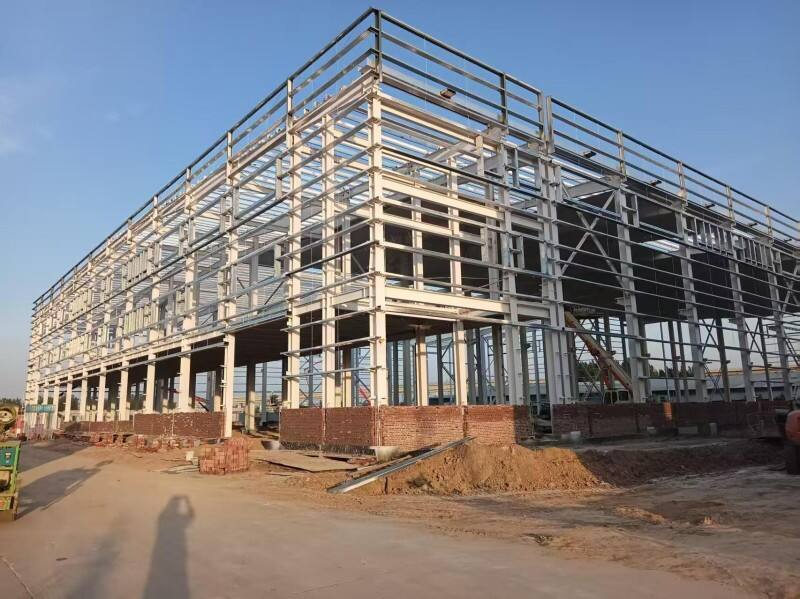
Why Steel Structure Is Inherently Seismic-Resilient
High Strength-to-Weight Ratio and Ductility: Core Material Advantages of Steel Structure
Steel has a much better strength to weight ratio compared to concrete or masonry systems, being around 30% lighter according to recent studies. The National Earthquake Hazards Reduction Program (NEHRP) backs this up in their 2023 report. Because steel is so light yet strong, buildings made with it can be flexible while still holding up heavy loads. What makes steel really stand out though is how it behaves when stressed. Unlike brittle materials that snap suddenly, steel bends and stretches quite a bit before breaking. This means during earthquakes, steel frames can actually move with the shaking instead of cracking apart. We saw this play out after the 2019 Ridgecrest quakes where buildings with steel frames had about 40% fewer collapses compared to similar ones built with concrete, as noted in USGS reports following the disaster.
Cyclic Loading Performance: Strain Hardening and Stable Hysteresis Behavior in Steel Structure
Steel performs remarkably consistently when subjected to repeated earthquake forces, which is really important during aftershocks and extended periods of shaking. What makes steel special is how it gets stronger as it starts to bend and stretch. After the first signs of giving way, the material actually becomes more resistant to further damage as it continues to deform. When buildings sway back and forth during earthquakes, steel creates these reliable energy dissipation patterns called hysteresis loops that work predictably through many cycles of movement. Studies from earthquake engineering experts show that if steel frames are built correctly, they can handle more than 50 intense shaking cycles while losing less than 5% of their original strength. The reason behind this reliability lies in steel's uniform internal structure. Unlike materials made from different components or with uneven properties, steel doesn't have weak spots where stress builds up suddenly and causes unexpected collapse.
Key Steel Structure Systems for Earthquake Resistance
Moment-Resisting Frames (MRFs): Design Logic and Seismic Zone Adaptation for Steel Structure
Moment resisting frames, or MRFs for short, work by resisting those sideways earthquake forces through their special beam column connections. These connections are built to bend and deform in a specific order during shaking events, which helps absorb all that violent energy without letting the whole building fall apart. Steel is really good at this kind of thing because it can stretch and flex safely instead of snapping completely. When we look at places with lots of earthquakes like California, engineers make some adjustments to these frames. They pay extra attention to how joints are detailed, build in more backup support throughout the structure, and carefully balance how stiff different parts need to be. The result? Buildings equipped with proper steel MRFs can handle ground movements reaching about 0.4g acceleration levels. Studies show these structures suffer over half as much damage as regular concrete buildings during quakes. That makes steel MRFs not just safer but actually cheaper in the long run for constructing mid and high rise buildings near active faults where earthquakes happen regularly.
Buckling-Restrained Braces (BRBs) and Eccentrically Braced Frames (EBFs): Energy-Dissipating Steel Structure Solutions
Buckling restrained braces (BRBs) along with eccentrically braced frames (EBFs) have been developed specifically to focus on and release earthquake energy at points where damage would be minimal. BRBs work by enclosing a steel core inside either concrete or steel jackets that don't bend easily. This setup stops the steel from buckling and allows for balanced energy absorption whether under tension or compression forces. For EBFs, engineers intentionally place the brace connections off center so they direct energy into small sections called shear links. These links are made to deform permanently when needed, soaking up energy while keeping the main structural frame intact. Steel buildings incorporating these systems can actually handle more than 70% of the shaking energy during earthquakes, which helps keep floors from moving too much against each other and reduces leftover displacement after the quake passes. What makes these solutions stand out is how easy they are to fix and replace. That's why many important buildings like hospitals and schools choose them, since getting back online quickly after an earthquake simply cannot wait.
Innovations That Reduce Damage and Accelerate Recovery in Steel Structure
Self-Centering Steel Structure Systems Using Friction Devices and Shape-Memory Alloys
Self centering systems bring together friction dampers along with those special shape memory alloys we call SMAs to tackle what's arguably the biggest headache after earthquakes residual drift. These little friction devices work pretty well because they dissipate energy in a controlled way when things start slipping past certain points that were set beforehand. This helps take some pressure off the main structural parts of buildings. Then there are those SMAs often found in things like recentering tendons or connections between different parts of structures. What makes them stand out is this amazing property called superelasticity which lets them bounce back almost completely even after being stretched or bent quite a bit. When combined, these tech solutions can slash residual movement by around 80 percent and knock down repair bills by roughly 40 according to research from Earthquake Engineering Institute back in 2023. For places like hospitals and emergency centers where every minute counts, this means getting back online much quicker without spending fortunes on realigning everything or rebuilding from scratch. Critical services just keep running instead of coming to a grinding halt.
Lessons from Practice: Christchurch 2011 — Real-World Validation of Steel Structure Resilience
When the 2011 Christchurch earthquake hit, it basically proved what engineers had been saying all along about steel's strength during seismic events, especially when combined with those new energy absorbing systems. Steel framed buildings with those special buckling restrained braces ended up suffering around 30 percent less damage compared to similar concrete structures. What really stood out though was how fixable most of the damage turned out to be. None of the steel buildings with MRF or BRB systems actually collapsed, and about three quarters were back in operation within half a year many even sooner than that. Looking at what happened after the quake, experts pointed to steel's flexibility as the main reason these buildings held up so well, unlike concrete which tends to crack suddenly under stress if not properly designed. The experience from Christchurch led to major changes in New Zealand's building codes for earthquakes and continues to influence how countries around the world approach seismic safety. Basically, when architects take the time to detail steel structures properly and pair them with smart performance systems, they get buildings that protect lives and keep working after disasters strike.
FAQ Section
What makes steel structures more resilient during earthquakes? Steel structures exhibit a high strength-to-weight ratio and ductility, allowing them to flex and absorb energy during seismic events without collapsing.
How do Moment-Resisting Frames (MRFs) contribute to earthquake resistance? MRFs use specialized beam-column connections that can absorb violent seismic energy by bending and deforming in a controlled manner, preventing structural collapse.
What role do Buckling-Restrained Braces (BRBs) and Eccentrically Braced Frames (EBFs) play in earthquake-resistant design? BRBs and EBFs focus on dissipating seismic energy at specific points to minimize damage, allowing structures to handle significant shaking without catastrophic failure.