 EN
EN

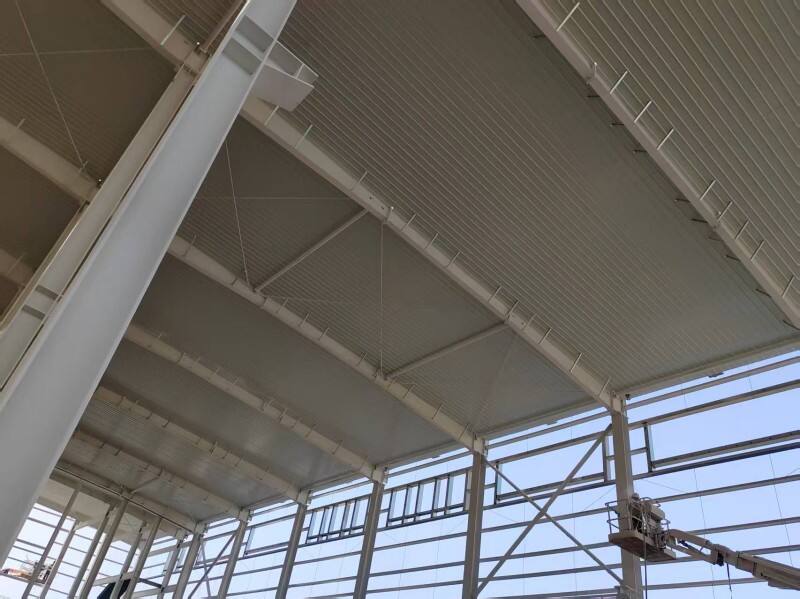
Clarifying Project Purpose and Functional Requirements
Matching Steel Structure type to end-use: workshop, warehouse, aircraft hangar, or residential/commercial
Choosing the appropriate steel structure really comes down to matching it with what the space needs to do. For workshops, we need framing that can handle all those vibrations from big machines running constantly. Warehouses want open spaces without columns getting in the way so they can stack things efficiently and move materials around easily. Aircraft hangars are different again - they need massive clear spans, sometimes over 200 feet wide, just to fit planes inside for repairs and maintenance work. When looking at buildings for businesses versus homes, there's always this balancing act between how strong the structure needs to be versus how it looks architecturally. Hybrid systems combining steel and concrete often work best because they hit that sweet spot between cost and performance. And here's something important about load capacities too. According to industry standards like ASCE 7-22, warehouse floors generally have to support 25 to 50 percent more weight than regular residential buildings. This difference matters a lot when figuring out beam sizes, how connections should be made, and what kind of foundations will hold everything up properly.
Translating operational needs into structural specs: clear height, bay spacing, crane capacity, and future adaptability
The way operations work on a day-to-day basis has real impacts on building specs that can be measured. Take ceiling height for instance. Light manufacturing spaces typically need around 20 feet clearance while big automated warehouses often require upwards of 50 feet. This directly affects things like how deep rafters need to be, how tall columns must stand, and what angle the roof should slope at. Then there's bay spacing between 20 to 30 feet that matters too. It determines whether forklifts can turn properly, how racks are arranged, and even where heating systems get zoned. Crane capacity ranges from about 5 tons up to well over 100 tons and this dictates everything from beam sizes to column bracing requirements and floor slab strength. Looking ahead is just as crucial though. Smart designers build in expansion joints, plan for future mezzanines by adding anchor points now, and sometimes overbuild foundations by around 20%. These small investments today save headaches later when businesses grow or change their processes because nobody wants to deal with costly renovations after the fact.
Leveraging Pre-Engineered Steel Structure (PEBS) Flexibility
Modular framing systems: balancing speed, precision, and scalability in Steel Structure deployment
PEBS, or pre-engineered steel structures, use factory made modular frames that really speed things up while making everything much more accurate. When parts are cut, drilled and welded in controlled environments rather than on site, assembly time drops about half compared to traditional methods according to research from Steel Construction Institute back in 2022. The increased precision means fewer changes needed once onsite, less wasted materials overall, and better quality control throughout. What makes these structures so valuable is their modular nature which allows for natural expansion over time. Standardized sections can simply be added onto existing buildings without having to completely redesign connections or stop current operations. That's why many businesses choose PEBS when planning for gradual expansions or when they might want to change how a facility functions down the road.
Clear-span vs. multi-span configurations: optimizing interior usability and long-term expansion potential
When deciding between clear span and multi span setups, builders need to consider how space will be used now and what might be needed later. Clear span designs get rid of those pesky interior columns, creating open spaces that can stretch over 300 feet wide. These work great for things like airplane hangars, big storage warehouses, or even concert halls. Multi span systems put supports inside at strategic points. This allows buildings to cover larger ground area without needing such deep rafters or massive amounts of steel. For anyone thinking about expanding sideways down the road, multi span makes it easier to add on with modular bracing and standard bay frames. According to research from E3S Conferences, these multi span options save around 15 to 20 percent in steel costs when dealing with buildings over 150 feet wide. Plus they keep all the good stuff about PEBS construction like fast build times, predictable outcomes, and better budget management.
Ensuring Site-Specific Engineering Compliance and Resilience
Climate-responsive design: snow load, wind pressure, seismic risk, and corrosion-resistant Steel Structure detailing
Steel structures need to match their surroundings if they're going to last any length of time - this isn't just about ticking boxes for regulations, it's actually vital for keeping buildings standing. Take areas where snow falls regularly, for instance. When engineers miscalculate how much weight the roof can handle, we end up with collapses all too often. These are preventable disasters that cost lives and money. For places along coasts or in hurricane belts, proper wind pressure calculations matter a lot. Local winds can hit speeds over 150 mph, so the building needs stronger attachments between panels and better protection against roofs lifting off during storms. Earthquake zones present different challenges altogether. Structures there typically require special framing systems or braces that follow specific guidelines from ASCE 7-22 based on local seismic activity. Don't forget about rust either! Steel left unprotected corrodes anywhere from four to eight times faster near water or in damp climates compared to dry areas. This kind of degradation can cut a building's lifespan by tens of years. Using galvanized coatings or choosing ASTM A588 weathering steel makes sense economically too. Studies from 2024 show these options cut maintenance expenses by around 40% over time.
Code alignment across jurisdictions: integrating IBC, ASCE 7â22, and AISC standards into Steel Structure certification
Getting compliant isn't just about checking off individual codes one by one. It really comes down to making sure all these different standards work together properly. Take the International Building Code as the big picture guide for building regulations, but when it comes to figuring out loads, we actually rely on ASCE 7-22 instead. This includes detailed seismic response data for specific sites that actually replaces the general zone maps from IBC. Wind calculations follow similar logic too. While ASCE handles the math behind wind pressures, AISC 341-22 gets into specifics about how structural connections need to hold up against those forces. Materials matter just as much. For example, ASTM A992 steel needs proper documentation through mill test reports according to AISC 360 rules. When teams fail to bring all these standards together smoothly, they end up with rejected plans and major project delays. The numbers back this up completely - non compliant buildings cost around $1.7 billion each year just for retrofits according to NOAA's 2023 report. That's why working with engineers who know their way around IBC, ASCE, and AISC standards makes such a difference. These professionals help avoid problems right from the start rather than dealing with expensive fixes later on.
Frequently Asked Questions
What type of steel structure is best for warehouses?
Warehouses benefit from open spaces without internal columns, optimal for stacking and easy material movement. Hybrid systems combining steel and concrete often provide the best cost-performance balance for such applications.
How do operational needs influence structural specifications?
Operational requirements like clear height, bay spacing, and crane capacity significantly impact building specs, affecting beam sizes, column height, and roof slopes.
Why are pre-engineered steel buildings favored for expansion?
PEBS are modular, allowing for easy expansions using standardized sections. This makes them ideal for facilities that may need to grow or change functions in the future.
What are key considerations for climate-responsive steel structure design?
Design must account for snow load, wind pressure, seismic risks, and corrosion to ensure safety and durability in varying environmental conditions.
How important is code alignment in steel construction?
Ensuring building codes from various jurisdictions work together is critical to avoid costly project delays and compliance issues, highlighting the importance of expert engineering guidance.
Table of Contents
- Clarifying Project Purpose and Functional Requirements
- Leveraging Pre-Engineered Steel Structure (PEBS) Flexibility
- Ensuring Site-Specific Engineering Compliance and Resilience
-
Frequently Asked Questions
- What type of steel structure is best for warehouses?
- How do operational needs influence structural specifications?
- Why are pre-engineered steel buildings favored for expansion?
- What are key considerations for climate-responsive steel structure design?
- How important is code alignment in steel construction?