 EN
EN

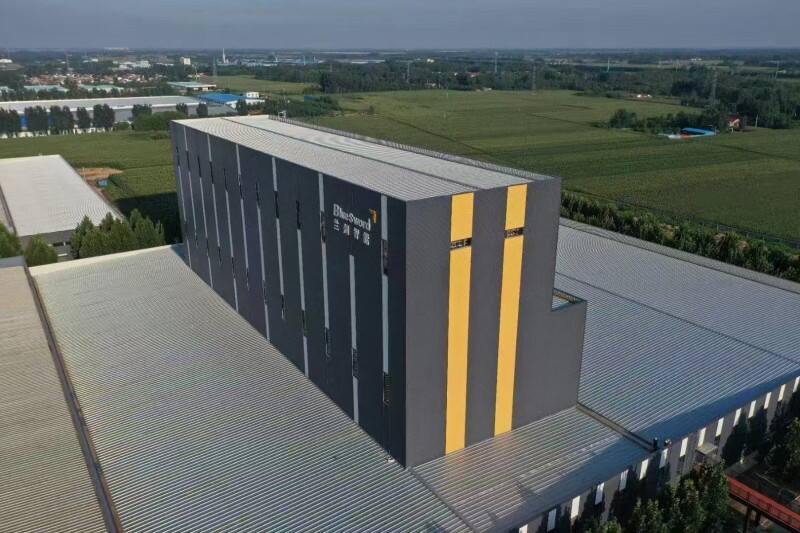
Structural Performance: Strength, Resilience, and Load-Bearing Capacity of Steel Structure
Tensile strength and dimensional stability vs. wood, concrete, and masonry
Steel has incredible tensile strength, roughly three times what wood offers and about ten times stronger than regular concrete. When compared to materials that are organic or have pores, steel stays remarkably stable in size even when temperatures swing wildly, expanding by less than 0.01%. This kind of stability helps avoid those annoying problems with buildings made from brick or concrete that tend to shift over time and develop cracks. Concrete works great when compressed but falls apart under tension unless it's reinforced somehow. Wood presents another challenge because its grain runs in different directions, leading to uneven weight distribution across structures. Steel doesn't have these issues thanks to its uniform makeup, which spreads stress evenly throughout the material. As a result, engineers can design buildings with longer open spaces between supports and build thinner columns that still hold everything up safely.
Performance under extreme conditions: seismic zones, high winds, heavy snow, and freeze-thaw cycles
Steel buildings in earthquake-prone areas have something going for them that other materials just don't match. The material can soak up about 40% more energy when things shake hard, which means buildings made with steel stand a much better chance of staying upright during big quakes over magnitude 7.0. When it comes to those powerful winds we sometimes get, steel structures hold their own against gusts reaching around 150 miles per hour. Concrete frames tend to crack and fail suddenly under similar conditions. Take heavy snowfall too. Steel won't bend out of shape permanently when snow weighs down on it beyond 50 pounds per square foot something that often breaks wooden trusses. And let's not forget cold weather performance. While concrete tends to flake apart after many freeze-thaw cycles, properly treated steel keeps doing its job even at temperatures as low as minus 40 degrees Fahrenheit without needing constant repairs. All these properties mean steel structures typically last well past half a century, making them smart choices for places near saltwater where corrosion is always a concern.
Project Economics: Cost Efficiency and Accelerated Timeline with Steel Structure
Upfront cost analysis vs. traditional materials â factoring in labor, foundation, and logistics
Steel buildings tend to cost less at the start than going with wood or pouring concrete on site. The pre-made parts are lighter, so they don't need such big foundations. This means digging less and spending around 30 percent less on materials for the groundwork. When made in factories, there's almost no waste left over after construction (wood projects usually throw away about 40%). Plus, everything connects together in standard ways, so we don't need those expensive specialty workers. Delivering all the pieces packed neatly cuts down on transportation hassles and saves money on gas and time management. All told, switching to steel can cut first costs by somewhere between 15 and 20 percent compared to traditional building approaches.
Speed-to-completion advantage: prefabrication, modular assembly, and reduced on-site labor
Steel parts that are prefabricated come straight from the factory ready to be assembled quickly with bolts, which means no waiting around for concrete to cure when bad weather hits. With modular building methods, different tasks can happen at the same time instead of one after another. The structural frame goes up while workers install cladding and run all those mechanical, electrical and plumbing systems too. This approach cuts down on site labor by about half sometimes, and gets projects finished maybe 40% faster than traditional methods. The savings add up to roughly 3 or 4 percent across the whole project because money isn't tied up as long and income starts coming in sooner. When things are made with precision in factories, they fit together better right from the start, so there's far less need for fixing mistakes that often happens with stuff built on site.
Sustainability and Lifecycle Value of Steel Structure
Carbon footprint, embodied energy, and end-of-life recyclability vs. concrete and timber
Steel buildings have real environmental benefits throughout their entire life cycle. These days, most steel production uses around 90% recycled materials which cuts down on the energy needed compared to making everything from scratch. When looking at carbon emissions per ton, steel produces about 1.85 tons of CO2. That's actually better than concrete by about 40% and even better than wood by 60%, especially when considering what happens after these materials reach the end of their useful lives. What makes steel really stand out though is that it can be recycled forever without losing any of its properties. Concrete usually ends up in landfills while wood either rots away or gets burned. The fact that steel stays usable means we waste fewer resources overall. Old beams and columns from demolished buildings often get reused right away in new projects instead of being thrown away.
Long-term lifecycle cost: maintenance frequency, corrosion management, and service life expectancy
Steel really starts to shine when we look at its economics over time. The galvanized coatings plus those special corrosion resistant alloys mean maintenance comes around only once every ten to fifteen years. That's way better than concrete which needs checking for cracks every three to five years, or wood structures requiring pest control treatments each year. When we calculate the total cost over fifty years, steel ends up costing somewhere between forty and sixty percent less for all that upkeep work. Good design and proper detailing can actually get steel structures lasting well past seventy five years. That's more than three times what untreated timber lasts before needing replacement. Plus steel buildings are super flexible for repurposing later on. Throw in how well steel holds up during disasters and the fact that it doesn't require much ongoing maintenance, and steel typically gives about thirty percent better return on investment throughout its entire life cycle compared to traditional building materials.
Safety, Compliance, and Design Innovation Enabled by Steel Structure
Fire resistance ratings, structural integrity during emergencies, and code compliance advantages
The fact that steel doesn't burn and behaves predictably when exposed to high temperatures gives it some serious safety benefits. Structural steel can hold up under extreme conditions too. When coated with things like intumescent paint or cement-based fireproofing materials, steel structures stay strong even at temperatures over 1,000 degrees Fahrenheit. This meets all the building code standards required for places where people's lives depend on structural integrity like hospitals and schools. Compared to materials that catch fire easily or break down under heat, steel gives engineers solid data they can trust when planning how buildings will perform during emergencies. And there's another bonus for building owners: because of this reliability, many find their insurance costs drop by around 30 percent compared to what they'd pay for buildings made with conventional materials.
Architectural versatility: spanning large open spaces, adaptive reuse, and integration with modern façade systems
The strength of steel relative to its weight allows buildings to have open interiors over 100 feet wide without columns standing in the way. This makes it possible to create adaptable spaces inside commercial buildings, schools, factories, and other facilities that can change as needs evolve. Steel works really well for repurposing old structures too. Many old warehouses and factory buildings get turned into office spaces, apartment units, or shopping centers without needing to tear anything down first. When working with modern steel frames, architects can combine them with energy efficient glass facades, solar panels built right into the structure, and designs that bring nature indoors through green spaces and natural light features. All these elements work together even when creating unusual shapes and angles. Plus, because most steel parts come pre-made from factories, everything fits together better during construction and gets finished faster than traditional methods.
Frequently Asked Questions
Why is steel preferred over concrete and wood in structural performance?
Steel offers superior tensile strength and dimensional stability compared to wood and concrete. Its uniform makeup distributes stress evenly, allowing for longer spans and thinner columns without compromising safety.
How do steel structures perform in extreme environmental conditions?
Steel structures excel in seismic zones, high winds, heavy snow, and freeze-thaw cycles due to their energy absorption, fixed shape, and low susceptibility to temperature changes.
What are the cost benefits of building with steel?
Steel structures generally cost less to start, with reduced needs for foundation and specialized labor, leading to a 15-20% savings compared to traditional materials.
What are the environmental benefits of steel construction?
Steel is highly recyclable, contributes to lower CO2 emissions, and helps avoid waste commonly associated with materials like concrete and wood.
What safety advantages do steel buildings provide?
Steel does not catch fire and maintains structural integrity under high temperatures, making it reliable for emergencies and potentially reducing insurance costs.
Table of Contents
- Structural Performance: Strength, Resilience, and Load-Bearing Capacity of Steel Structure
- Project Economics: Cost Efficiency and Accelerated Timeline with Steel Structure
- Sustainability and Lifecycle Value of Steel Structure
- Safety, Compliance, and Design Innovation Enabled by Steel Structure
-
Frequently Asked Questions
- Why is steel preferred over concrete and wood in structural performance?
- How do steel structures perform in extreme environmental conditions?
- What are the cost benefits of building with steel?
- What are the environmental benefits of steel construction?
- What safety advantages do steel buildings provide?