 EN
EN

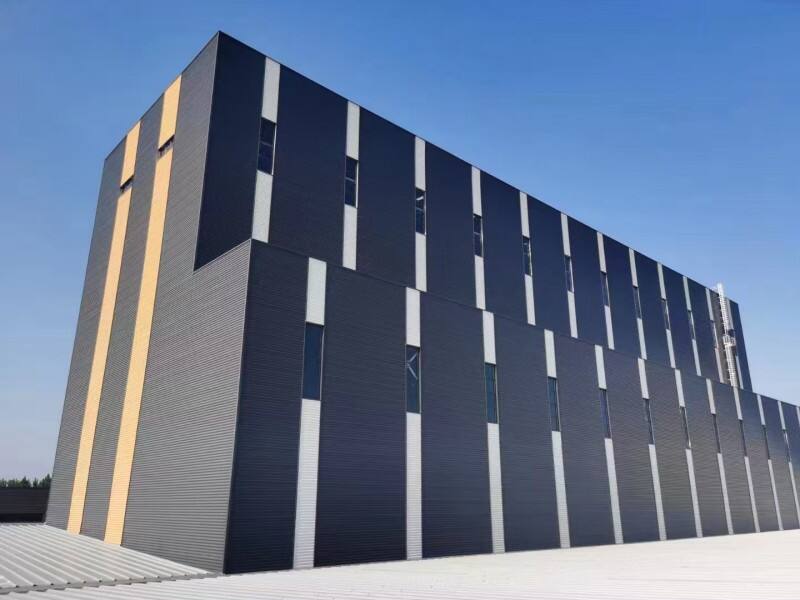
Why Steel Structure Is Fundamental to Sustainable Construction
Inherent Recyclability and Circular Economy Advantages of Steel Structure
The fact that steel can be recycled over and over again without losing strength makes it a real star player in the circular economy. When buildings reach their end of life, around 90% of structural steel gets pulled back out of demolition sites instead of heading straight for landfills. This saves tons of raw materials from being mined and processed fresh. Most other building materials don't stand up to multiple recycling cycles like steel does. Take old bridges or factory frames - they get broken down, melted down, and turned into something new while still keeping all their original properties intact. These days, electric arc furnaces make up most of the steel industry's output, and these machines run mostly on scrap metal. They need about three quarters less energy compared to making brand new steel from iron ore. What we're really looking at here are giant repositories of building materials waiting to be reborn. Every single steel beam sitting in storage somewhere isn't waste material anymore but potential building blocks for tomorrow's projects.
Embodied Carbon Reduction Through Reuse and High-Recycled-Content Steel
Steel that contains between 93 and 97 percent recycled material can reduce embodied carbon by as much as 58 percent when compared to regular steel options. The numbers get even better when we talk about direct reuse. Take those old steel beams that have been taken apart from buildings. They only need about 10 percent of what it takes to make brand new steel, and guess what? They still carry all their original structural certifications intact. Real world projects that actually incorporate these reused components tend to slash their overall carbon footprint across the entire lifespan by somewhere between 30 to 50 percent. Let's put this into perspective. For every single ton of steel that gets given a second life, around 1.5 tons worth of CO2 emissions are prevented that would otherwise come from making fresh steel products. Combine this approach with something called lightweighting, which basically means getting smarter about how big those sections need to be and how connections work together, and suddenly steel structures become something quite remarkable. Instead of being carbon contributors, they turn into actual tools for fighting climate change through smart design choices.
BIM-Driven Precision Engineering and Prefabricated Steel Structure Systems
BIM technology allows for detailed digital modeling of steel structures which cuts down on excess materials by around 30%. This happens because it spots clashes early, automates counting materials needed, and finds better ways to connect parts together. With this kind of precision, manufacturers can build components away from job sites using steel that contains lots of recycled content in factories where conditions are controlled. Many top steel fabricators have started incorporating BIM into their work processes. They use it to put together complicated joints ahead of time, reduce the need for cutting and welding at actual construction sites, and get supplies delivered more efficiently. According to recent industry data from 2024, these practices help cut construction waste down by approximately 22%. What we see as a result? Steel structures with much better fit and finish, structures that perform exactly as designed, and real savings in resources across the board.
Modular Assembly and Offsite Fabrication Benefits for Schedule and Emissions
Using modular steel construction can cut down on project timeframes by around 40 percent, which means fewer emissions overall because there's less equipment sitting idle, fewer trucks coming and going, and not as much need for temporary structures at sites. When components are made offsite in centralized locations, several benefits come along with it. Most notably, about 98 percent of all steel scraps get recycled back into production rather than ending up in landfills. There are also roughly 35 percent fewer truck deliveries since everything gets shipped together instead of piece by piece. And workers consume about half the energy they normally would right there at construction sites. According to some recent studies done last year, these methods actually bring down what we call embodied carbon somewhere between 15 to 20 percent while keeping nature intact around areas where wildlife lives.
LEED, BREEAM, and IGBC Credits Specific to Steel Structure Attributes
Green building certifications like LEED, BREEAM, and IGBC give specific credit points to steel because of its eco-friendly qualities. Steel typically contains around 95% recycled material or more, comes in pre-made components that cut down construction site waste, and can be designed so it's easier to take apart later. Take LEED as an example. The program awards points through what they call MR Credit for reducing building life cycle impacts when materials get reused or sourced locally. Steel scores well here since it lasts longer than many alternatives, moves efficiently across distances, and has supply chains that are pretty easy to track back. For anyone trying to get their project certified green, these built in benefits mean working with steel isn't just environmentally smart but also makes sense from a certification standpoint according to LEED guidelines.
National Codes, Tax Incentives, and Public Procurement Policies Favoring Steel Structure
Governments around the world are starting to shape their policies to promote greener steel options. We're seeing tax incentives for eco-friendly buildings, requirements for minimum recycled content in new constructions like what's happening in India with their Energy Conservation Building Code and similar changes across Europe under the CPR regulations. Public projects now often require environmental product declarations when bidding for contracts, which naturally favors certain types of steel materials. Looking ahead, the European Union has plans for a Digital Product Passport coming out in 2026 that aims to track every step of steel production from mine to market. This kind of transparency helps build consumer confidence and makes companies more responsible for their environmental impact. These combined efforts seem to cut down on emissions during construction by roughly 30 to 50 percent. Plus, buildings made with modern steel designs tend to save money over time because they handle temperature better and can be modified as needs change.
FAQs
Why is steel considered sustainable in construction?
Steel is sustainable due to its recyclability, reduced embodied carbon through reuse, and significant lifecycle environmental benefits. Its ability to be repurposed without losing strength, along with energy-efficient production processes, makes it a preferred material in eco-friendly construction.
How does steel recycling reduce embodied carbon?
Recycled steel integrates high percentages of previously used material, reducing the need for new raw material production. This decreases energy consumption and associated carbon emissions, ultimately lowering the carbon footprint of construction projects.
What role does BIM play in steel construction?
BIM, or Building Information Modeling, enhances the accuracy and efficiency of steel construction. It enables precise digital modeling, optimizing material usage, minimizing waste, and streamlining the fabrication and assembly processes.
What are the benefits of modular steel construction?
Modular steel construction reduces project timelines and emissions, offering efficient offsite fabrication, fewer deliveries, and less energy use onsite. The approach also maximizes the recycling of steel scraps, further contributing to sustainability efforts.
What are the green certifications that favor steel?
LEED, BREEAM, and IGBC certifications award credits to steel for its high recycled content, durability, and ability to be disassembled. These certifications promote environmentally responsible building practices, making steel a favorable choice in achieving green standards.
Table of Contents
-
Why Steel Structure Is Fundamental to Sustainable Construction
- Inherent Recyclability and Circular Economy Advantages of Steel Structure
- Embodied Carbon Reduction Through Reuse and High-Recycled-Content Steel
- BIM-Driven Precision Engineering and Prefabricated Steel Structure Systems
- Modular Assembly and Offsite Fabrication Benefits for Schedule and Emissions
- LEED, BREEAM, and IGBC Credits Specific to Steel Structure Attributes
- National Codes, Tax Incentives, and Public Procurement Policies Favoring Steel Structure
- FAQs