 EN
EN

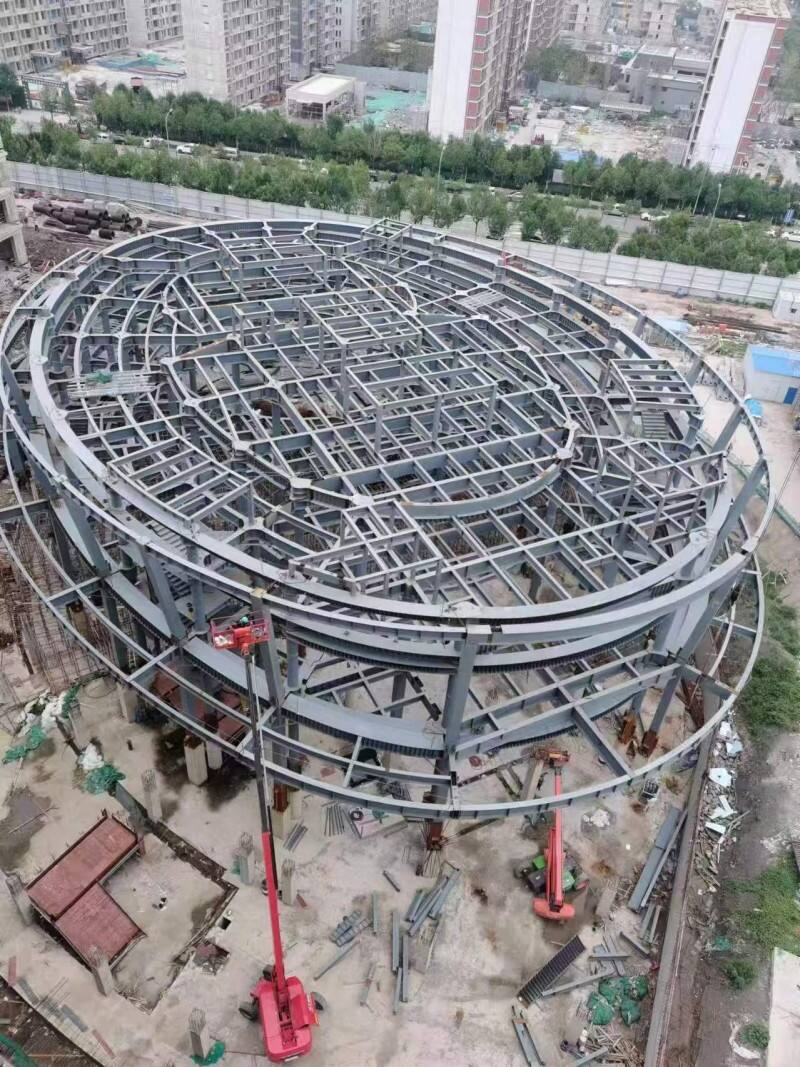
Why Steel Structure Is the Engineering Backbone of Modern Theatrical Sets
Superior strength-to-weight ratio for dynamic stage loads and flying systems
Steel structures offer something special when it comes to supporting heavy loads, which is really important for all those complicated rigging systems in theaters. The metal has about five times the strength compared to concrete but weighs way less, so we can build these strong yet not too heavy frames for things like rotating stages, hanging backdrops, and all sorts of moving parts on stage. Because of this advantage, set designers can actually lift massive sets weighing several tons without needing huge support structures that block audience views. When talking about flying systems specifically, the stiffness of steel makes sure everything moves exactly where it should go in the air. No wobbling around or unexpected sways happen during sudden turns or movements during live shows, which keeps everyone safe and looking good at the same time.
Fatigue resistance across repeated touring, rigging, and environmental exposure
High grade steel stands out compared to wood or aluminum because it keeps holding together even after many years of being taken apart, moved around, and put under constant stress. Tests show that these materials can handle more than 100 loading cycles without showing any noticeable changes in shape something that matters a lot for theater productions on tour where crews have to rebuild stages every week. The rigging points stay strong too, keeping about 99 percent of their initial strength after being used repeatedly, which makes things safer when working with equipment hanging overhead. Galvanized coatings help fight off rust caused by the heat from stage lights (sometimes reaching temperatures as high as 120 degrees Fahrenheit) and changing levels of moisture in the air. According to research published in Stagecraft Journal last year, this protection actually saves money in the long run, cutting down maintenance expenses by roughly forty percent when compared to other building materials available today.
Steel Structure as an Enabler of Artistic VisionâNot a Constraint
Seamless integration of safety engineering with scenic aesthetics and spatial storytelling
Theatrical design today needs structures that hold up but still let creativity shine through. Steel does just that really well actually. The metal's natural fire resistance plus how strong it is for holding heavy loads makes it great for things hanging above the stage and all those moving parts we see in shows. Plus steel can be made thin enough so nobody notices it unless they're looking closely. Stage designers love working with these characteristics because they can build safe spaces that look amazing too. Like when they make platforms appear to float or switch scenes super fast during performances. Industry research from last year showed that using steel cuts down on setup time by about a quarter compared to older materials. So basically, no need to choose between making something spectacular and keeping everyone safe while doing it.
Design strategies for steel: from invisible support to expressive architectural element
The flexibility of steel allows architects to pursue quite different approaches when designing spaces. On one hand, thin columns and lightweight trusses can hide behind stone-like exteriors or soft garden settings without anyone noticing their presence. Then there's the opposite approach where steel components are left out in the open as part of the design itself. Think of those industrial looking walkways that frame dramatic stage settings, or grand arches that guide people through a space. The surface finish makes all the difference too. Some builders let steel rust naturally for that aged look, while others polish it until it shines like futuristic metal. According to recent industry research from last year, nearly seven out of ten set designers are turning to structural steel these days because it works so well for both practical construction needs and creative expression. Steel can literally go from being just support beams to becoming the main attraction in a production.
Accelerating Production Cycles with Prefabricated Steel Structure Systems
Modular frames, standardized connectors, and bolted joints for rapid assembly/disassembly
Steel prefabs are changing how theater sets get built these days. The numbers tell us something interesting too these structures can slash construction time roughly half compared to old school methods, which means faster venue changes between shows and shorter tech rehearsals overall. When parts are made in controlled factories, everything arrives already cut to size at the job site, so there's no need for measuring on location anymore. Standard connectors and bolts let stagehands put together big pieces in just a few days rather than waiting weeks. What makes this approach even better is that while crews are working on foundations, other parts are being manufactured simultaneously back at the shop. This saves headaches when bad weather hits or workers run into scheduling conflicts. Looking at recent construction stats from 2024, theaters using this method save around $17k each month on those annoying holding costs during production holdups. Plus, the modular nature of steel allows directors to tweak scenery designs right up until curtain time without worrying about damaging the underlying structure.
Scalable Steel Structure Solutions for Diverse Performance Venues
From tiny black box theaters to massive opera houses, building structures need to handle different spaces while staying strong under changing conditions. Steel works really well for all these sizes because engineers can design parts that fit just right for small studio setups or big stage areas without having to rebuild everything from scratch each time. Production crews love this flexibility since they get reliable support structures no matter if they're setting up complicated thrust stages or extending balconies that stick out over the audience. The steel doesn't bend much either, which matters a lot during performances when platforms move around or lights fly overhead transferring weight shifts. This quality becomes especially important when turning regular concert halls into places for plays, where the ceiling grid needs to change shape frequently. Theater owners are starting to take advantage of this feature more often, letting them run multiple shows in the same space without expensive renovations, saving money while keeping up with what artists want today.
FAQ
What makes steel structures superior for theatrical set construction?
Steel's superior strength-to-weight ratio allows for lighter, yet stronger structures, which are essential for supporting heavy and dynamic stage loads, such as flying systems and rotating stages.
How does steel handle the demands of touring theater productions?
Steel exhibits exceptional fatigue resistance, maintaining integrity even after numerous cycles of loading, disassembly, and relocation common in touring productions. Galvanized coatings further protect against environmental damage, reducing maintenance costs.
Can steel be used creatively in set design?
Absolutely. Steel's flexibility allows for both concealed support and visible aesthetic elements, seamlessly integrating safety and scenic design to enhance an artistic vision.
How do prefabricated steel systems enhance production efficiency?
Prefabricated modular steel components facilitate rapid assembly and disassembly, significantly reducing production time, costs, and logistical challenges compared to traditional construction methods.
Are steel structures suitable for various theater sizes?
Yes, steel's scalability and adaptability make it ideal for venues ranging from small black box theaters to vast opera houses, accommodating various performance needs without significant structural alterations.
Table of Contents
- Why Steel Structure Is the Engineering Backbone of Modern Theatrical Sets
- Steel Structure as an Enabler of Artistic Vision—Not a Constraint
- Accelerating Production Cycles with Prefabricated Steel Structure Systems
- Scalable Steel Structure Solutions for Diverse Performance Venues
-
FAQ
- What makes steel structures superior for theatrical set construction?
- How does steel handle the demands of touring theater productions?
- Can steel be used creatively in set design?
- How do prefabricated steel systems enhance production efficiency?
- Are steel structures suitable for various theater sizes?