 EN
EN

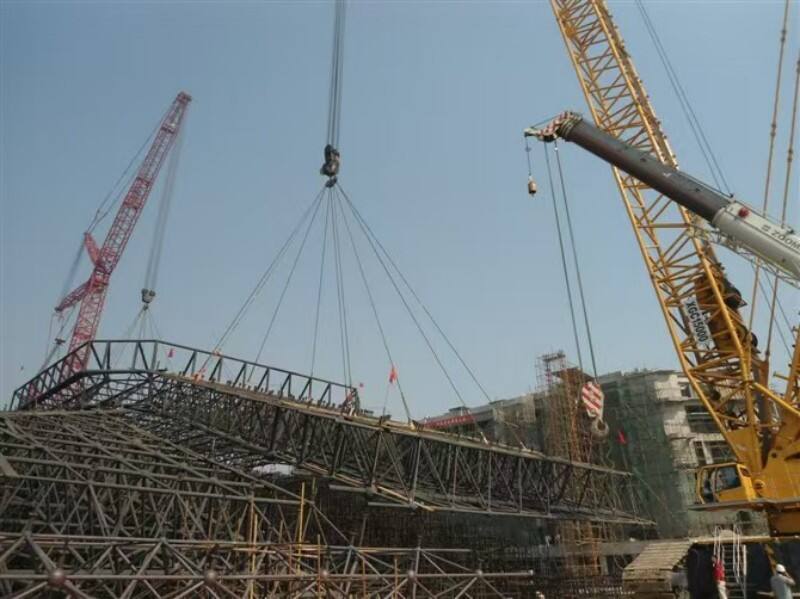
Why Steel Structure Is the Optimal Choice for Modern Sports Facilities
Unmatched Clear-Span Capability for Flexible Athletic Programming
Steel framework makes it possible to build spaces without columns that stretch over 300 feet wide, way beyond what concrete can handle when it comes to supporting weight. These open spaces are great for all sorts of different uses because there's nothing getting in the way. Sports arenas built this way can switch from hosting basketball games to ice hockey matches or even concerts within just a day or so. Buildings designed with these steel clear spans tend to hold around 30 percent more events each year simply because they're so adaptable. Another big plus is how strong steel is compared to its weight. This lets architects design things like cantilevered seating areas hanging out over the field and complicated retractable roofs without worrying about the structure failing when people move around inside during events.
Accelerated Construction Timelines: From Fabrication to Occupancy in Under 6 Months
When using precision fabrication methods at offsite facilities powered by CNC machines, projects can actually finish 40 to 60 percent faster compared to traditional cast in place concrete work. The parts come pre-engineered so they're basically ready to snap together with bolts, which means no waiting around for bad weather and about half as many workers needed onsite. Take this one stadium project for instance - it had 12 thousand seats and went from empty foundations straight to being occupied within only 23 weeks total. That kind of speed would never happen with regular concrete since it takes forever to cure properly. And when materials arrive exactly when they're needed, there's simply less stuff lying around taking up space on construction sites too.
Lifecycle Economics: 50+ Year Durability and <1% Annual Maintenance Cost vs. Concrete
Steel buildings typically need maintenance costs under 1% of what they originally cost each year, mainly because of those hot dip galvanizing treatments that stop rust from getting started. When looking at things over 50 years or so, owners generally find their total expenses come out around 30-35% cheaper than with concrete structures according to most industry studies we've seen. Concrete tends to crack, chip away, and slowly bend under stress over time, which just isn't an issue for steel constructions. Plus, steel can be recycled completely at the end of its useful life, meaning there's still some value left when it comes time to replace something. And let's not forget about earthquakes either steel naturally bends without breaking during tremors, which makes insurance premiums much lower in areas prone to seismic activity compared to other materials.
Key Steel Structure Components in Sports Venues
Long-Span Roof Systems: Trusses, Cellular Beams, and Curved Beam Configurations
Steel roof systems designed with engineering in mind can span distances over 200 meters without needing columns, which creates huge open spaces inside buildings. The truss designs work really well at handling both wind and snow loads. Meanwhile, those special cellular beams have built-in openings where things like HVAC systems, lighting fixtures, and even fire suppression equipment can fit right inside them. This keeps ceilings high and avoids all that messy stuff hanging from above. When architects use curved beams, especially ones shaped like parabolic arches, they create those memorable building shapes we see in cities around the world. But there's another benefit too these curves actually help make structures stronger while improving how sound travels through the space. Prefab components speed up construction time significantly. Studies looking at stadium projects show that using prefabricated parts cuts down on site traffic congestion by roughly 40 percent compared to traditional methods.
Integrated Seating Bowl Support: Cantilevered Steel Frames Enabling Column-Free Sightlines
Steel frames cantilever seating areas more than 20 meters above ground level without needing columns at the base. This creates great views for everyone sitting there and makes the whole experience feel more engaging for spectators. These structures are built to handle heavy loads - around 5 kN per square meter according to FIFA standards - while still fitting all the necessary components like stairs, concession stands, and VIP sections into the design. The connections between parts are coated with hot dip galvanization which protects against rust even when exposed to moisture and constant foot traffic. This helps maintain both safety standards and structural strength throughout many years of daily use.
Critical Engineering Considerations for Steel Structure Performance
Dynamic Load Modeling: Synchronized Crowd-Induced Vibrations and Resonance Mitigation
When crowds synchronize their movements—like doing stadium waves, jumping together, or chanting rhythmically—they create harmonic forces that actually match and amplify a building's natural frequency. Without proper mitigation, these resonances can boost vibrations as much as five times what normal static loads would produce, causing discomfort for people inside and gradual structural wear over time. To tackle this issue, engineers run sophisticated computer models to test extreme situations, looking at cases where vertical acceleration might hit 1.5 meters per second squared according to research from the Structural Engineering Institute back in 2023. Many modern buildings now incorporate tuned mass dampers within their roofs to absorb those unwanted vibrations. These devices have been shown to cut down on movement amplitudes by around 60% in actual installations. Computational fluid dynamics studies also help confirm how well these dampers work when buildings face both wind forces and structural vibrations simultaneously.
Steel Structure Implementation: From Fabrication to Commissioning
Precision Off-Site Fabrication and Just-in-Time Delivery Reducing Site Congestion by 40%
Building components away from job sites in factories where conditions can be controlled gives us much better results when it comes to exact measurements, good quality welds, and thorough quality checks that just don't happen reliably out in the field. Factories use automated systems for cutting materials, computer controlled machines to bend metal, and robots that handle welding tasks. These methods mean we get parts that match specifications every time without fail. Each piece gets marked clearly and organized so workers know exactly what goes where during installation, which speeds things up and reduces mistakes. Delivering materials right when they're needed cuts down on how much stuff needs to be stored at construction sites by around two thirds and also frees up space since there's less equipment crowding around. All this planning helps protect against bad weather delays, keeps workers safer from hazards, and generally shortens project timelines. For places that need to open before certain seasons start, like ski resorts or summer camps, this kind of scheduling makes all the difference between meeting deadlines and facing costly delays.
FAQs
Why are steel structures preferred for modern sports facilities?
Steel structures are preferred due to their unmatched clear-span capability, enabling flexible athletic programming and more frequent events. They offer fast construction timelines, lower lifecycle costs, and greater durability than traditional materials.
What is the benefit of prefabricated steel components?
Prefabricated steel components reduce construction time, minimize site congestion, and ensure precise measurements and quality, leading to fewer mistakes and quicker installations.
How do steel structures manage the vibrations caused by crowds in sports venues?
Modern steel structures use dynamic load modeling alongside tuned mass dampers to mitigate vibrations from synchronized crowd movements, reducing discomfort and structural wear over time.