 EN
EN

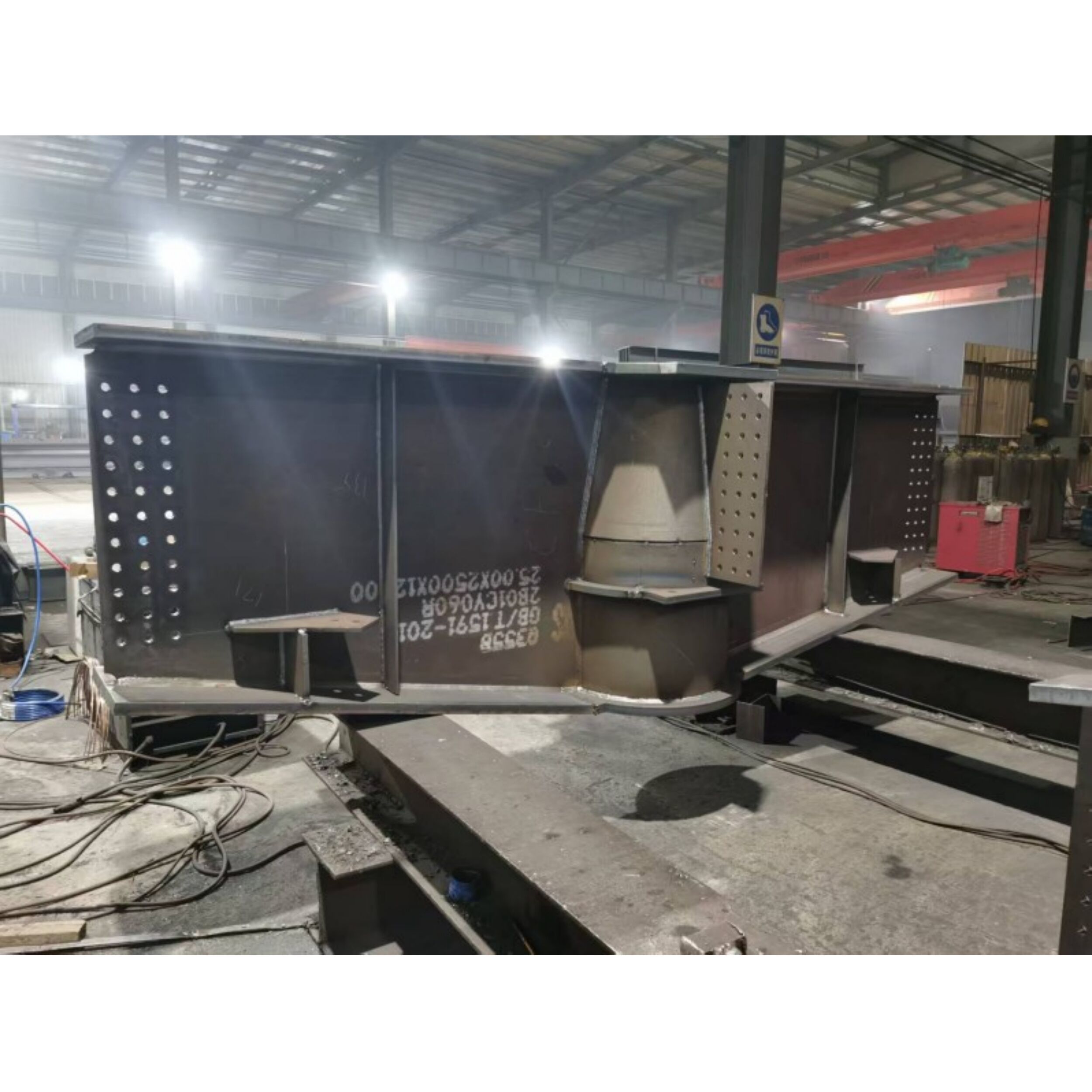
Why Steel Structure Buildings Outperform in Rain-Prone and Humid Climates
Galvanized Steel and Its Role in Corrosion Resistance and Rust Prevention
Galvanized steel stands up to corrosion because it gets coated with zinc that creates this electrochemical shield against oxidation of the underlying metal. According to research published by PBS Buildings in 2023, steel treated with galvanization keeps about 95% of its structural strength intact after a decade in those harsh tropical monsoon climates where regular steel would barely last half as long. What makes this treatment so valuable is that it continues working even if the paint starts flaking off over time. The zinc coating stops rust from forming at vulnerable spots like cut edges and connection points between different parts of the structure.
Durability of Steel Structures Under Heavy Rain and Extreme Weather
Steel buildings built with pre-engineering techniques can handle some pretty harsh conditions out there. We're talking about rainfalls that dump over 8 inches an hour straight through the night. These structures have those special drainage channels running along them plus what engineers call continuous load paths throughout the frame. That combination helps keep everything standing firm when hurricane winds blow or when storms drag on for days. Wood is different though. Anyone who's worked with it knows how it soaks up moisture somewhere between 10 to 15 percent of its weight and then warps all over the place. Steel doesn't care about getting wet at all. Independent labs have actually tested this stuff too. Their reports show metal roofing still sheds every drop of water perfectly even after being subjected to weather simulations equivalent to twenty whole years of real world beating.
Steel vs. Wood and Concrete: Advantages in High-Moisture Environments
| Material | Moisture Impact | Maintenance Cycle |
|---|---|---|
| Steel | No rot/swelling | 15-20 year coatings |
| Wood | 14% average moisture warping | Biannual treatments |
| Concrete | 0.3mm/yr crack propagation in humidity | 5-year sealing |
Steel eliminates risks of biological decay inherent in organic materials like wood and requires 63% less maintenance (SteelPro Group 2023). Its non-porous surface resists mold growth common in concrete joints under sustained humidity above 70%, making it ideal for damp environments.
Essential Waterproofing Principles in Steel Structure Building Design
Understanding Water Resistance and Moisture Management in Metal Buildings
Materials need to be pretty much waterproof if they're going to work well in areas where it rains a lot. Something around 98% water resistance seems to be the minimum requirement these days, along with proper breathability features. Galvanized steel panels coated with those new zinc-aluminum alloys actually stand up to corrosion about three to four times better than regular steel in humid environments according to the Encapsulation Guidelines from last year. The real magic happens when builders combine these panels with good airflow systems and membranes that let vapor escape. This combination cuts down on condensation problems by roughly 40% compared to completely sealed spaces, which means fewer surprises later on with mold growth hiding behind walls.
Importance of Sealed Building Envelopes and Vapor Barrier Integration
Around 16 percent of steel buildings fail in their early years because of bad joint sealing instead of problems with the materials themselves according to NACE research from 2019. When builders use thermally welded barriers instead of relying on those little stitch fasteners, they basically remove weak spots where water can get in. These systems keep water out pretty well too, with tests showing penetration stays under 0.02 percent even when it rains for days straight. Getting vapor barriers right inside walls makes all the difference too. They handle those tricky temperature changes that cause condensation between layers of construction materials. Without proper management here, moisture builds up over time and eats away at metal components much faster than normal wear and tear would. This hidden damage really shortens how long these structures last before needing major repairs or replacement.
Balancing High-Strength Steel With Long-Term Moisture Infiltration Prevention
ASTM A653 steel, with a 550 MPa yield strength and a 20-micron fluoropolymer finish, delivers superior performance in humid climates:
| Property | Performance Metric |
|---|---|
| Salt-spray resistance | 2,000+ hours (ASTM B117) |
| Hydrostatic pressure hold | 35 PSI for 96 hours |
| Thermal expansion tolerance | ±3mm/m at 40°C-80°C |
This combination of high-strength steel and advanced coatings extends maintenance intervals to 25–30 years in tropical zones—more than double the 12–15 year repair cycle typical for concrete.
Advanced Corrosion Protection: Coatings and Pre-Treatment for Steel Buildings
Galvanized Finishes, Epoxy, and Polyurethane Coatings for Metal Protection
Steel structures today typically employ a three part coating approach for protection against corrosion. The first step involves hot dip galvanizing which deposits around 45 to 85 microns of zinc onto the metal surface. This zinc acts as a sacrificial barrier, wearing away much slower than exposed steel would according to ISO standard 12944-9. Next comes epoxy primer that actually forms chemical bonds with the steel itself. Finally, a polyurethane finish gets applied on top to shield against sun damage. Industry tests have demonstrated that these coated systems maintain roughly 89 percent of their original stickiness even after enduring thousands of humidity tests in controlled environments. This kind of durability makes all the difference when considering long term maintenance costs for commercial buildings.
| Coating Type | Thickness Range | Optimal Environment |
|---|---|---|
| Galvanized Steel | 45-85µm | High salinity/industrial |
| Epoxy Primer | 50-80µm | Chemical exposure areas |
| Polyurethane | 35-50µm | UV-intensive exteriors |
Evaluating Coating Longevity in High-Humidity and Rainy Climates
Accelerated aging tests simulating 15 years of monsoon exposure reveal that galvanized coatings lose only 8.2µm annually, compared to 22µm for painted carbon steel. Polyurethane topcoats retain 92% gloss after 10,000 hours of QUV testing. ISO 12944 C5-M rated systems last over 25 years when topcoats are reapplied every 12–15 years.
Case Study: Performance of Coated Steel Buildings After 10 Years in Tropical Monsoon Zones
A 14-building study in Southeast Asia found that full 3-coat systems had just 0.08% surface rust, versus 3.7% in single-coat equivalents. Thermal bridging at joints caused 73% of corrosion incidents, highlighting the need for thermal breaks. Targeted recoating of high-wear areas reduced maintenance costs by 41% over a decade.
Pre-Installation Waterproofing Techniques for Enhanced Durability
Surface preparation accounts for 60% of coating effectiveness. Key steps include abrasive blasting to SA 2.5 cleanliness (â 5% contaminants), phosphating to form 2–3µm crystalline layers, and application in humidity-controlled environments (<65% RH). These practices increase mean time between failures from 8 to 22 years in coastal installations.
Roof and Joint Design for Optimal Water Management in Steel Structures
Vertical Corrugated Roofs and Slope Optimization for Effective Rain Runoff
Engineered roof geometry is critical for managing heavy rainfall. Vertical corrugated metal roofs with a minimum 3:12 slope reduce ponding by 80% compared to flat designs (Construction Specifier, 2024). Reinforced seams, tested under FM Global standards, work with gutter systems to efficiently channel water away—even during sustained downpours.
Drainage Planning and Innovations in Roof Geometry for Storm Resistance
Modern steel buildings feature drainage systems sized for 150% of projected rainfall. Standing seam roofs create natural water channels, and hybrid designs achieve 40% faster runoff than conventional models during simulated 6-inch/hour storms. Oversized gutters and downspouts prevent overflow, while tapered insulation ensures complete water shedding.
Sealing Joints, Doors, Windows, and Skylights to Prevent Moisture Entry
Critical junctions require multi-layer protection. Silicone sealants combined with compression gaskets maintain integrity through thermal expansion. Buildings using vapor-permeable membranes at joints report 72% less condensation over five years in tropical zones. Flashing details around skylights and doors block capillary-driven leaks, enhancing long-term weathertightness.
Integrated Design Strategies for Flood and Humidity Resilience
Combining vapor barriers with waterproof paints for comprehensive protection
Multilayer defense systems work best in areas where flooding is common. When builders combine vapor barriers with polyurethane coatings, they cut down on wall cavity moisture problems by about 83%, which is way better than using just one solution alone. The whole system stops moisture from seeping through and also keeps water out completely. Putting high quality sealant around those tricky overlapping joints makes all the difference because it stops what's called capillary action, which is actually why most traditional waterproofing fails over time. Some factories that have been running through heavy monsoons for a decade now report absolutely no corrosion issues thanks to these improved methods.
Moisture and flood protection strategies for low-lying, rainy regions
Steel buildings along coastlines typically feature raised bases combined with sloped surfaces that channel away floodwater at impressive rates, sometimes exceeding 200 gallons each minute during heavy storms. The use of permeable pavement materials alongside hidden water storage areas beneath ground level cuts down on standing water problems significantly after major weather events like hurricanes, according to testing models. For extra protection against rising waters, some designs incorporate special marine quality aluminum barriers around the building edges which act as temporary seals when needed. These barriers let air circulate freely while keeping out floodwaters even when they rise about four feet high. When combined with walls made from modular components, this setup makes fixing damage much quicker once waters recede. This matters a lot for communities where it rains more than 120 days out of the year, helping businesses get back online faster after storm season passes.
Frequently Asked Questions
Why is galvanized steel preferred in humid climates?
Galvanized steel is preferred because its zinc coating provides an electrochemical shield against corrosion, maintaining structural integrity even in harsh tropical conditions.
How do steel structures compare to wood and concrete in rainy environments?
Steel structures require less maintenance and don’t rot or swell like wood. They also resist mold growth better than concrete and have a longer lifespan in high-moisture environments.
What are some effective waterproofing principles for steel structures?
Effective waterproofing involves using galvanized steel panels with zinc-aluminum alloys combined with proper airflow systems and vapor barriers to reduce condensation and mold growth.
What coating methods enhance corrosion protection in steel buildings?
Galvanized finishes, epoxy primers, and polyurethane topcoats are used for metal protection, providing a multi-layer defense against humidity and UV exposure.
How do drainage systems benefit steel building designs?
Proper drainage systems ensure efficient water runoff management, preventing ponding and overflow, thus enhancing storm resistance and flood protection.
Table of Contents
- Why Steel Structure Buildings Outperform in Rain-Prone and Humid Climates
- Essential Waterproofing Principles in Steel Structure Building Design
- Advanced Corrosion Protection: Coatings and Pre-Treatment for Steel Buildings
- Roof and Joint Design for Optimal Water Management in Steel Structures
- Integrated Design Strategies for Flood and Humidity Resilience
-
Frequently Asked Questions
- Why is galvanized steel preferred in humid climates?
- How do steel structures compare to wood and concrete in rainy environments?
- What are some effective waterproofing principles for steel structures?
- What coating methods enhance corrosion protection in steel buildings?
- How do drainage systems benefit steel building designs?