 EN
EN

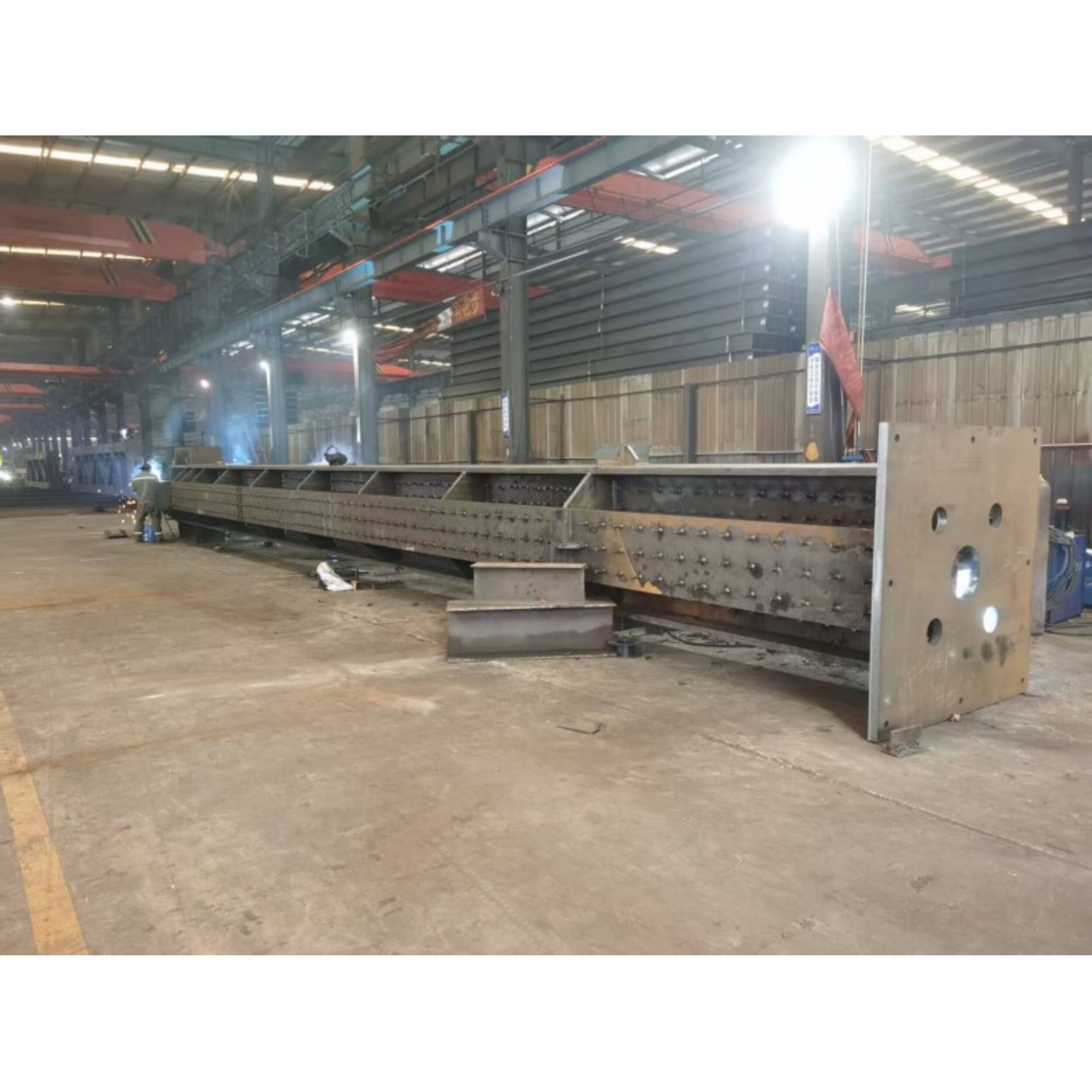
Understanding Crane Capacity in Steel Structure Workshop Environments
Defining Crane Capacity and Its Role in Material Handling Efficiency
The term crane capacity basically means how much weight a lifting system can safely handle when moving things around in steel fabrication shops. Getting this right matters a lot for day to day operations. If the crane is too small for what needs lifting, projects end up getting delayed constantly. But going way overboard on size isn't smart either since bigger cranes just eat up more power and cost extra money. According to some industry data from 2022 collected by folks at the Crane Manufacturers Association, companies that matched their crane specs properly saw about an 18 percent drop in time spent moving materials around compared to those with cranes that were either too big or too small for the job.
How Load Requirements Impact Crane Selection in Steel Workshops
The way something is loaded affects what kind of crane gets used. Weight matters a lot obviously, but so do size and how often things need lifting. Take those big metal shops that work with steel beams weighing over twenty tons each day? They need heavy duty double girder cranes equipped with special spreader bars to handle those massive loads safely. When designing these systems, engineers have to think about both the weight when it's just sitting there and all the extra stress from movement. Quick jerks or unexpected shifts while lifting can actually create forces that are almost 25% higher than the actual weight being moved. That's why following the latest safety standards like those in ASME B30.2 makes such good sense for anyone working with heavy machinery.
The Relationship Between Crane Capacity and Structural Integrity of Steel Workshops
| Load Type | Impact on Steel Structure | Mitigation Strategy |
|---|---|---|
| Dead Load | Permanent stress on support columns | High-grade steel reinforcements |
| Live Load | Dynamic stress during operations | Regular structural inspections |
| Impact Load | Shock waves from abrupt stops | Vibration-dampening crane brakes |
| Lateral Forces | Horizontal stress on runway beams | Increased column bracing frequency |
The structural integrity of a steel workshop hinges on aligning crane operations with the building’s load-bearing design. According to structural engineering guidelines for material handling systems, workshops must withstand at least 1.5x their rated crane capacity to accommodate safety margins and unexpected stresses.
Common Mistakes in Estimating Crane Load Requirements for Heavy Steel Components
Three critical errors undermine load calculations:
- Ignoring load swing dynamics in tall workshops
- Overlooking future capacity needs during initial design
- Assuming uniform material density across steel components
A 2023 analysis of workshop accidents attributed 34% of crane failures to improper load estimation, emphasizing the need for real-time load monitoring systems.
Matching Crane Types to Steel Structure Workshop Applications
Single vs. Double Girder Cranes for Varying Load Demands in Steel Fabrication
Choosing the right crane for steel structure workshops is all about finding the sweet spot between what it can lift and how well it works day to day. Single girder models usually manage around 20 tons maximum, needing about 18 to 24 inches above them. These work great for smaller jobs in fabrication shops, things like moving beams around or handling metal plates during assembly. Double girder systems tell a different story altogether. They can tackle over 100 tons worth of weight and offer much better stability when lifting complete structural components. But there's a catch they need significantly more space vertically, somewhere between 36 and 48 inches clearance. According to research from the 2023 Material Handling Efficiency Study, shops that switched to double girders for their heavier lifting saw component damage drop by nearly a third compared to those stuck with cranes that weren't big enough for the job.
| Feature | Single Girder Crane | Double Girder Crane |
|---|---|---|
| Maximum Capacity | ¬ 20 tons | 100+ tons |
| Headroom Needs | 18–24" | 36–48" |
| Cost Difference | 30–50% lower | Higher initial investment |
Under-Running vs. Top-Running Cranes in Low-Clearance Steel Workshops
In workshops where there isn't much vertical space available, many shops go with under running cranes instead of traditional overhead models. These particular systems run along lower rails attached directly to the roof structure rather than hanging from above. They work really well when ceiling clearance is below 20 feet tall, giving shop owners back valuable headroom while still being able to move around 10 tons worth of material safely according to industry standards set forth in ASME guidelines from 2023. For newer buildings that have at least 30 feet or more between floor and ceiling, top running cranes are generally considered better options since they allow for greater lifting capacity needed during assembly work on big truss structures and similar heavy duty projects.
Selecting the Right Crane Based on Workflow and Spatial Constraints
Choosing the right crane setup involves looking at how work flows through the facility as well as the actual space available. Workshops where columns are close together, say less than 25 feet apart, tend to get better results with modular underhung systems. On the flip side, when materials need to move across aisles regularly, most shops end up focusing more on getting enough runway length rather than worrying too much about maximum lifting height. According to recent industry data, around two thirds of steel fabrication companies report quicker turnaround times when they match their crane speeds somewhere between 65 and 160 feet per minute and pick either pendant controls or radio operated systems based on what makes sense for daily operations.
Design Integration of Cranes in Steel Structure Workshop Construction
Integrating Crane Support into the Primary Framing of a Steel Structure Workshop
When designing steel structures for workshops, crane support needs to be considered right from the start. The size of beams and how they connect depends largely on load bearing calculations. According to recent studies by the Material Handling Institute, about seven out of ten facilities that get the gantry-to-column ratio wrong end up needing expensive structural fixes within just five years. For primary framing components, there are two main factors to consider: static loads which basically means the actual weight of the crane itself, and dynamic forces that typically range between 20 to 35 percent of what the crane is rated for according to ASME standards. Engineers working on these projects need to carefully examine several aspects including:
- Yield strength of runway beams under torsion
- Deflection limits at maximum hook approach distances
- Corrosion resistance at welding joints in humid workshop environments
Floor Loading and Column Spacing Adjustments for Optimal Crane Performance
Steel workshop layouts demand column spacing that aligns with crane span requirements while maintaining ¬ 12 mm/m² floor loading variance. A 2024 case study of 47 facilities revealed workshops with 9–12m column spacing achieved 22% faster material turnover than narrower configurations. Key adjustments include:
- Reinforcing foundation pads under runway columns to handle 145–180 kN/m² pressure
- Installing horizontal bracing systems to reduce lateral sway during trolley movement
- Optimizing jib crane positions to maintain 1.5m clearance from perimeter walls
Electrical and Control System Integration During Workshop Construction
Modern steel workshops synchronize crane power systems with building-wide automation networks, requiring early coordination of:
| System Component | Integration Requirement | Compliance Standard |
|---|---|---|
| Conductor bars | 15–30% ampacity margin | IEC 61439-2 |
| Variable drives | <3% harmonic distortion | IEEE 519-2022 |
| Emergency stops | 0.5s shutdown response | ISO 13850:2015 |
Over 68% of facilities now implement closed-loop control systems that synchronize crane movements with robotic welding cells and automated inventory tracking, reducing collision risks by 41% compared to manual operations (Industrial Automation Review 2024).
Safety and Regulatory Compliance in Steel Workshop Crane Operations
OSHA and ASME B30 Standards for Crane Operation in Industrial Settings
Workshops working with steel structures need to follow OSHA's 29 CFR 1910 rules. These safety standards have been shown to cut down on workplace injuries during risky lifting tasks by about half according to recent Bureau of Labor Statistics data from 2023. The ASME B30 specs work hand in hand with these requirements, setting clear limits on what loads equipment can handle and when inspections are needed so cranes stay within their mechanical limits. Shops that actually implement OSHA's hazard assessments tend to see around 35 percent fewer problems with cranes each year than those places where safety just gets checked off as another box to tick.
Mandatory Load Testing Procedures Before Commissioning Cranes in Steel Workshops
Pre-commissioning tests include:
- Static load tests at 125% of rated capacity
-
Dynamic tests under 110% operational loads
These protocols, mandated by ASME B30.2 standards, validate structural integrity before lifting steel beams or machinery. Workshops skipping load testing face 4.2x higher risk of crane failure during peak loads (Ponemon 2024).
Documentation and Certification Requirements for Crane Safety Audits
Maintain three critical records:
- Load test certifications signed by licensed engineers
- Daily inspection logs tracking wire rope wear and brake performance
- Operator training documentation with ASME-compliant refresher courses
Regulators increasingly penalize workshops with incomplete paperwork–88% of 2023 crane violation fines stemmed from documentation gaps (OSHA Field Operations Manual).
Reducing Workplace Injuries Through Automated Lifting Systems and Proper Crane Use
Implementing anti-sway controls and automated positioning reduces human error by 62% in steel component handling (NIOSH 2024). Workshops using remote-operated cranes report:
| Metric | Manual Systems | Automated Systems |
|---|---|---|
| Load drops per 1k hours | 3.1 | 0.7 |
| Worker proximity incidents | 12/month | 2/month |
Pairing automation with quarterly operator recertification creates a 360° safety framework for heavy lifting tasks.
FAQ
What is crane capacity?
Crane capacity refers to the maximum weight that a lifting system can safely handle when moving materials in steel fabrication shops.
Why is aligning crane type with load requirements important in steel workshops?
It's crucial because the right crane type ensures safety and efficiency during operations. Incorrectly matched cranes could lead to project delays and increase operational costs.
What are some common mistakes in calculating crane load requirements?
Some common errors include ignoring load swing dynamics, overlooking future capacity needs, and assuming uniform material density.
How do crane operations affect the structural integrity of steel workshops?
Improper crane operations can stress and damage the workshop’s structural components. It’s essential to align crane operations with the structural design to maintain integrity.
What are OSHA and ASME B30 standards?
OSHA and ASME B30 set guidelines for crane operations to ensure safety and proper function in industrial settings.
Table of Contents
- Understanding Crane Capacity in Steel Structure Workshop Environments
- Matching Crane Types to Steel Structure Workshop Applications
- Design Integration of Cranes in Steel Structure Workshop Construction
- Safety and Regulatory Compliance in Steel Workshop Crane Operations
- OSHA and ASME B30 Standards for Crane Operation in Industrial Settings
- Mandatory Load Testing Procedures Before Commissioning Cranes in Steel Workshops
- Documentation and Certification Requirements for Crane Safety Audits
- Reducing Workplace Injuries Through Automated Lifting Systems and Proper Crane Use
- FAQ