 EN
EN

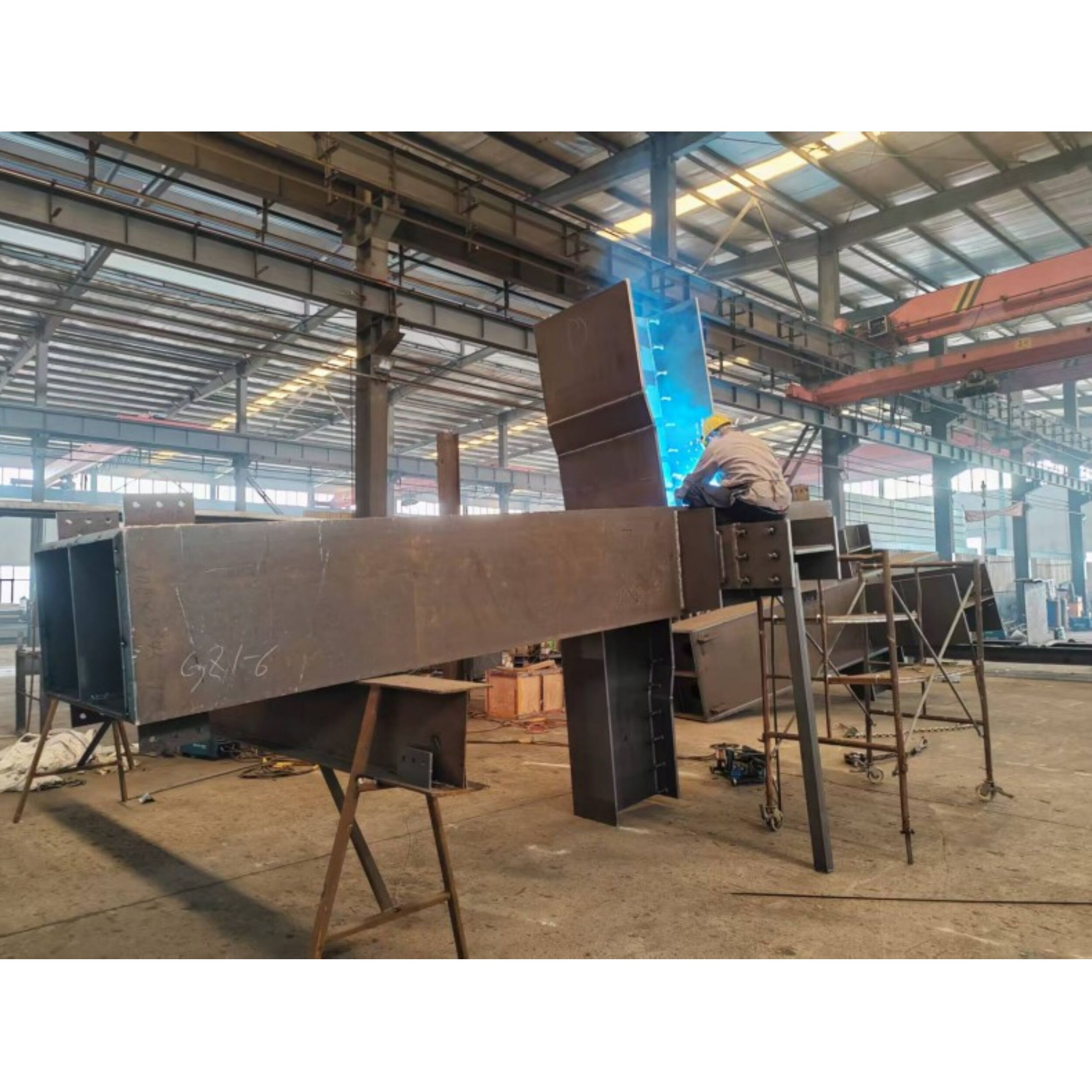
How Fire Impacts Steel Structures and Why Protection Is Critical
Steel buildings are really strong when everything's fine, but they need proper protection if there's ever a fire situation. Once things get hot enough around 550 degrees Celsius or so, which is about 1022 Fahrenheit, the steel starts losing almost half its strength pretty quickly. That means the whole structure can start bending out of shape or even fall apart in just a few minutes. Because of this weakness when heated, we have to think carefully about how to protect these structures from fire damage. There are basically three main problems to worry about here. First off, heat moves fast through steel components. Second problem comes when temperatures climb higher, causing the steel to lose its ability to hold weight properly. And finally, extended exposure to high heat will gradually break down the structure itself over time.
Structural Steel Behavior Under High Temperatures
Steel expands by 0.1% for every 50°C rise in temperature, leading to dimensional instability that can compromise connections. Above 600°C, unprotected beams may lose up to 70% of their stiffness, triggering cascading failures across load-bearing systems due to synchronized weakening.
The Fire Resistance Limit of Steel Structures
Unprotected steel typically fails within 15–30 minutes in standard fire tests. Passive fire protection systems—such as spray-applied or intumescent coatings—can extend resistance to 2–4 hours by insulating the core material from heat.
| Protection Type | Time to Critical Failure (Minutes) | Temperature Threshold |
|---|---|---|
| Unprotected Steel | 15–30 | 550°C |
| Intumescent Coatings | 60–90 | 800°C |
| Cementitious Encasement | 120–240 | 1000°C |
Thermal Conductivity and Deformation Risks in Unprotected Steel
With a thermal conductivity of 45–50 W/m·K, steel rapidly transfers heat throughout structural components. This promotes uniform cross-sectional heating, accelerating simultaneous weakening across entire floors or trusses and increasing the risk of sudden collapse.
Case Study: Collapse of Steel-Framed Buildings in Major Fires
In a 2023 controlled burn test, unprotected steel columns buckled after just 18 minutes—7 minutes faster than predicted by code models. This highlights why 88% of structural engineers prioritize fireproofing in steel design, according to ASCE’s 2023 survey.
Passive Fire Protection Methods for Steel Structures
Principles and applications of passive fire protection in buildings
Passive fire protection, or PFP as it's commonly called, works by adding non-burning materials right into the building itself. These materials slow down how heat moves through structures and help buildings hold together longer during fires, all without needing any kind of switch or trigger. When talking about what makes good PFP work, there are basically three things that need to happen. First, the system needs to insulate against heat so that steel stays cool enough (around 538 degrees Celsius is the magic number). Second, it should keep flames from spreading between different parts of the building. And third, the structure needs to stay strong enough to support its own weight even when exposed to fire. Most modern construction standards now demand some form of passive fire protection for steel framed buildings, especially in tall buildings, factories, and other important public spaces where people gather regularly. This helps ensure buildings can withstand fires long enough for everyone inside to get out safely.
Fireproof boards, encasements, and spray-applied fire-resistive materials (SFRM)
| Method | Materials Used | Thermal Resistance | Application Speed | Cost Efficiency |
|---|---|---|---|---|
| Fireproof Boards | Gypsum, Calcium Silicate | 2–4 hours | Moderate | High |
| Concrete Encasements | Reinforced Concrete | 3–6 hours | Slow | Medium |
| SFRM | Cementitious Sprays | 1–3 hours | Fast | Low |
Fireproof boards get fastened onto structural beams and columns, giving around four hours worth of fire protection while keeping things looking pretty much the same as before installation. When it comes to concrete encasements, they definitely hold heat better because of their massive thermal properties, though builders need to account for an extra 35 to 50 percent weight on foundations which can be a real headache sometimes. Many contractors prefer spray applied fire resistive materials or SFRMs for older buildings needing upgrades. These work great on all sorts of weird shapes and angles that would drive traditional installers crazy, plus labor expenses drop by roughly forty percent compared with conventional approaches making them a smart choice for budget conscious projects.
Intumescent and cementitious coatings: Performance and differences
When subjected to temperatures between 200 and 250 degrees Celsius, intumescent coatings can actually swell to around fifty times their initial thickness. This creates a protective char layer that shields steel structures for anywhere from one hour to two hours. Cementitious coatings work differently, relying on minerals such as vermiculite to form solid barriers that absorb heat energy. The main difference lies in application requirements. Intumescent products tend to be much thinner, typically just 1 to 3 millimeters thick, which means they don't interfere with building aesthetics. On the flip side, cementitious systems need substantially thicker layers, usually ranging from 10 to 40 mm, although these do last longer under harsh conditions. Fire safety testing through ASTM E119 standards shows something interesting too. At extreme temperatures reaching 1,000 degrees Celsius, intumescent coatings maintain structural integrity better than cementitious options, performing roughly 18 percent better in terms of load bearing capacity during fires.
Active Fire Protection Systems Integrated with Steel Framing
Sprinkler systems and smoke control in steel-frame constructions
Automatic sprinkler systems are really important for keeping steel framed buildings safe from fires because they help put out flames quickly and stop heat from spreading to the building's structure. Once turned on, these systems can cut down the amount of heat reaching steel beams by around two thirds thanks to fast water release, which means the metal stays strong much longer during a fire. For smoke control, things like pressurized stairwells and powerful exhaust fans make sure people can escape safely without breathing in dangerous fumes. Buildings that combine sprinkler systems with controlled air movement throughout different areas tend to see about 40 percent fewer deaths from fires than those relying only on basic sprinklers. This combination approach is becoming increasingly popular among architects looking for better protection solutions.
Fire detection, alarms, and monitoring integration
Getting early warnings through interconnected smoke detectors and heat sensors really helps speed up emergency responses in those steel frame buildings we see everywhere these days. The newer systems connect alarms not just to lights but also bring elevators back down to ground level automatically while shutting off heating ventilation systems at the same time. When these safety devices work together with the building's main control system, they can actually track how hot different parts of the steel structure are getting in real time. Firefighters get this temperature info right when they need it most. Everything installed has to meet NFPA 72 guidelines obviously, because nobody wants their fire protection equipment failing exactly when there's a major structural problem going on.
Fire Resistance Ratings, Standards, and Compliance for Steel Buildings
Understanding Fire Resistance Ratings: 2-, 3-, and 4-Hour Standards
The fire resistance rating tells us basically how long a steel assembly can hold together and stop flames from spreading when things get really hot. These ratings come in three main categories: two, three, or four hours depending on what's needed for the building. The numbers aren't random either. They result from special tests that mimic actual fires. Take a 2-hour rating as an example. Steel structures with this classification need to keep supporting whatever weight they carry and block excessive heat transfer even when temperatures climb past 1000 degrees Celsius. Standards like ASTM E119 and UL 263 set out exactly how these tests should be conducted, ensuring consistency across different manufacturers and applications.
| Rating | Minimum Structural Stability | Temperature Threshold | Common Applications |
|---|---|---|---|
| 2-hour | 120 minutes | 925°C (1,697°F) | Mid-rise buildings, warehouses |
| 3-hour | 180 minutes | 1,050°C (1,922°F) | High-occupancy structures |
| 4-hour | 240 minutes | 1,200°C (2,192°F) | Critical infrastructure |
Building Codes and Fire-Resistance-Rated Construction Regulations
Following building codes like the International Building Code (IBC) means steel structures actually hit those minimum safety requirements everyone talks about. Section 703.0 of the IBC lists six different ways to test these buildings, though most contractors stick with ASTM E119 when dealing with load bearing parts because it's become standard practice across the industry. Things changed quite a bit after 2023 too. Around two thirds of all new commercial steel buildings now need to pass a 2 hour fire resistance test according to the latest code updates. This isn't just paperwork either many architects have had to rethink their designs completely to meet these stricter requirements.
Testing Protocols for Structural Fire Protection Compliance
Third-party laboratories evaluate fire resistance using furnace simulations based on the ISO 834 time-temperature curve, which reaches 1,100°C within one hour. Key performance metrics include:
- Load capacity retention (≥90% of design strength)
- Insulation integrity (rear surface temperature ≤140°C)
- Flame penetration resistance (no pass-through during rated duration)
Test results are documented in construction specifications to verify compliance and ensure long-term structural safety.
Integrated and Future-Ready Fire Protection in Modern Steel Design
Modern steel design increasingly combines passive fireproofing—like intumescent coatings—with active suppression technologies such as water mist and gas-based systems to form multi-layered defense networks. This hybrid approach delays structural weakening while actively controlling flames, reducing collapse risk by up to 72% compared to single-system solutions (NFPA 2023).
Hybrid Passive and Active Fireproofing: Synergistic Safety Strategies
Intumescent coatings activate under heat to insulate steel, buying crucial time for sprinklers or gaseous suppression systems to engage. A 2023 study found that buildings using both methods maintained structural integrity for over 97 minutes during controlled burns—41% longer than those relying solely on passive protection.
Case Study: High-Rise Steel Buildings with Integrated Fire Protection
A 40-story office tower in seismic Zone 4 achieved a 3-hour fire resistance rating by combining sprayed mineral insulation with AI-driven smoke management. During a 2022 electrical fire, the integrated system contained damage to two floors, preventing $8.2 million in potential losses through coordinated compartmentalization and rapid extinguishment.
Smart Fire-Resistant Steel Structures and Cost vs. Safety Considerations
IoT-enabled sensors now monitor steel temperatures in real time, enabling predictive alerts and localized suppression activation. Although initial installation costs are 18–25% higher than conventional approaches, smart systems reduce lifetime maintenance expenses by 34% in commercial applications through early diagnostics and targeted repairs, delivering long-term value alongside enhanced safety.
Frequently Asked Questions
Why is fire protection crucial for steel structures?
Steel structures can quickly lose their strength at high temperatures, leading to potential structural failures during fires. Proper fire protection helps maintain integrity and prolong resistance.
What are passive and active fire protection methods?
Passive fire protection involves materials that slow down heat transfer, while active methods use systems like sprinklers and exhaust fans to manage fire and smoke.
What is the difference between intumescent and cementitious coatings?
Intumescent coatings swell and create a protective layer at high temperatures. Cementitious coatings form solid barriers and usually require thicker application.
What are fire resistance ratings?
Fire resistance ratings indicate how long a structure can withstand fire exposure while maintaining structural integrity. Ratings typically range from 2 to 4 hours.
Table of Contents
- How Fire Impacts Steel Structures and Why Protection Is Critical
- Passive Fire Protection Methods for Steel Structures
- Active Fire Protection Systems Integrated with Steel Framing
- Fire Resistance Ratings, Standards, and Compliance for Steel Buildings
- Integrated and Future-Ready Fire Protection in Modern Steel Design
- Frequently Asked Questions