 EN
EN

Why Modular Expandable Poultry Houses Are the Future of Scalable Farming
Rising Demand for Scalable Poultry House Solutions
Poultry farming is getting tougher these days as feed prices keep climbing, up around 18% compared to last year according to FAO data from 2022, plus what consumers want keeps changing too. That's where modular poultry houses come into play for many farmers. These buildings let folks start small with space for about 500 birds and then add on sections as needed until they reach capacities well over 5,000. The ability to grow gradually gives farmers a real advantage compared to conventional barns that cost nearly 90% more upfront and can't be adjusted once built. Most experienced growers know this flexibility makes all the difference when trying to stay competitive in today's market.
How Modular Steel Design Supports Gradual Farm Expansion
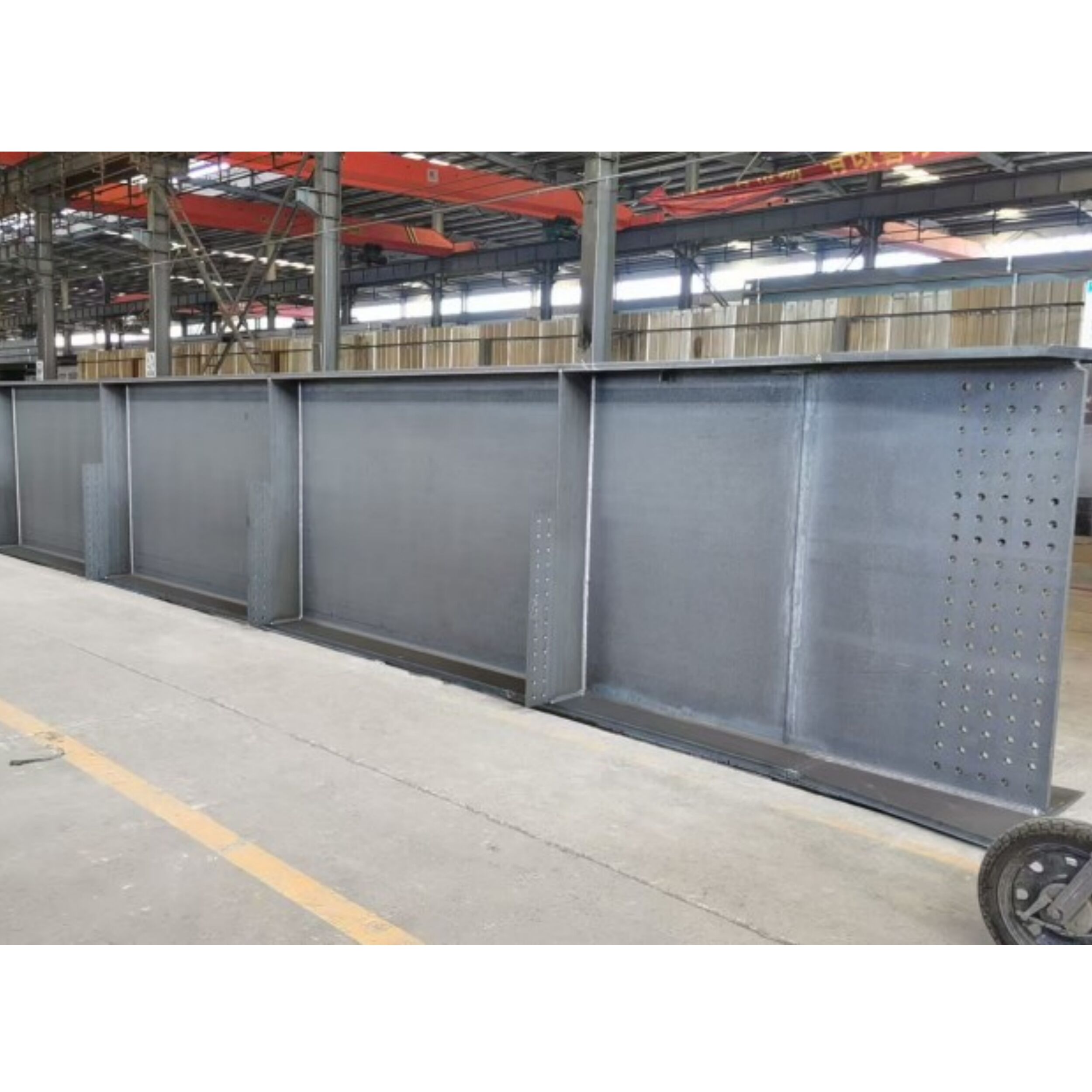
Steel’s high strength-to-weight ratio enables modular poultry houses to incorporate wings, vertical tiers, or automated systems without structural overhauls. Pre-engineered components arrive site-ready, reducing expansion timelines by 40–60% compared to concrete construction. Bolt-on designs allow farms to:
- Add 300-bird modules during off-peak seasons
- Integrate automated feeding systems without disrupting operations
- Repurpose 22% of existing framework when reconfiguring layouts
This flexibility supports incremental growth aligned with market conditions and cash flow.
Strategic Planning: Designing for Future Growth from Day One
Smart farmers are starting to build what they call expansion corridors right into their original plans these days. These are basically spaces set aside for things like water pipes, air vents, and robot routes that might be needed later on. Skipping this step usually means spending around $17 per square meter to fix things up after the fact when space becomes an issue. When farm modules connect properly with newer tech standards such as those 48 volt direct current power systems, it makes adding fresh technology much easier throughout different phases of development. The payoff comes not just from saving money upfront but also avoiding headaches down the road when upgrades happen faster and smoother than expected.
Fast, Efficient Construction of Prefabricated Steel Poultry Houses
Reducing Downtime with Rapid Installation of Prefab Structures
Steel poultry houses that come prefabricated cut down construction time by around 30 to 50 percent when compared to traditional building approaches according to Allied Steel's findings from last year. These structures arrive ready to go since all components have been engineered ahead of time and put together at the site with nothing but bolts needed. No welding required which saves both money and headaches for contractors while reducing overall labor costs. Take a typical 12 meter wide house as an example it takes only about ten to fifteen days for eight people working together to get everything up and running. That kind of speed makes these buildings particularly useful during those critical periods between flocks when farmers need extra space without losing valuable production time.
Case Study: 60% Faster Deployment vs. Traditional Brick-and-Mortar Poultry House
A recent project highlighted steel’s speed advantage:
| Construction Metric | Steel Structure | Traditional Concrete | Improvement |
|---|---|---|---|
| Installation Time | 20 days | 60 days | 66% faster |
| Weather Dependency | Low | High | 80% reduction in delays |
| Workforce Required | 8 workers | 15 workers | 47% fewer |
The accelerated timeline enabled production to begin 40 days earlier, generating an additional $18,000 in revenue per cycle.
Off-Site Manufacturing and Phased Installation Aligned with Flock Cycles
Steel modular buildings let farmers expand their barns in stages that match when birds are naturally leaving the flock. During regular cleaning breaks every two weeks, growers can actually add space for about 1,000 new birds without disrupting operations elsewhere in the facility. The precision of factory-made components means everything fits together consistently no matter when expansions happen. According to some recent research from USDA back in 2023, poultry operations that go this route see roughly 22 percent better turnover rates compared to traditional concrete buildings. Makes sense really since steel just adapts so much better to changing needs over time.
Key Advantages of Steel-Structure Poultry Houses for Long-Term Success
Superior Durability and Resistance to Weather, Fire, and Pests
Poultry houses built with steel frames stand up much better against tough conditions on farms than other options. Galvanized steel just doesn't rot away like wood does, nor does it attract termites or get eaten by corrosion from moisture. Some research shows that these buildings can handle winds blowing over 120 miles per hour and hold up when covered in heavy snow weighing around 50 pounds per square foot. That kind of strength really matters where weather gets brutal. Another big plus is how steel holds together even when temperatures climb high, making them far less likely to catch fire. Because of all these advantages, farmers often find their insurance costs drop somewhere between 15 to 20 percent compared to those using materials that burn easily. Makes sense why more operations are switching over to steel construction these days.
Low Maintenance Needs and 30% Lower Lifetime Costs (FAO, 2022)
The Food and Agriculture Organization reported back in 2022 that steel buildings for raising chickens need about 60 percent less fixing up each year compared to those made from wood. The powder coating on these metal panels means no more constant painting jobs, and the way the panels fit together stops water from getting inside where it would normally start rotting everything away in regular barns. When we look at what this adds up to over 25 years, someone running a farm with space for around 1,000 birds can expect to pocket roughly twelve grand saved on all those little fixes and replacements they'd otherwise have to keep doing. Plus there's something else worth mentioning too: because these structures are built in modules, when parts get worn out or outdated, farmers don't have to tear down the whole place just to update one section.
Performance in Harsh Farm Environments Compared to Wood or Concrete
Steel outperforms alternative materials in three key areas:
- Thermal Regulation: Insulated steel panels maintain stable temperatures (18–25°C) with 30% less energy than concrete walls
- Sanitation: Non-porous surfaces reduce bacterial growth by 40% compared to porous wood (Journal of Poultry Science, 2023)
- Expandability: Steel framing supports seamless additions, unlike fixed concrete layouts
These benefits support consistent, year-round production regardless of external conditions, making steel a strategic choice for future-ready operations.
Addressing Challenges of Steel Poultry House Implementation
High Initial Investment and Financing Options for Smallholders
The price tag for steel poultry houses sits around $40 per square foot, which comes out to roughly 40% higher costs compared to traditional wooden barns according to FAO data from 2022. Small scale farmers facing these upfront expenses have found creative workarounds though. Some turn to microfinance programs that base loan terms on actual flock performance metrics. Others take advantage of government funding specifically aimed at green agricultural infrastructure projects. There's also the supplier financing approach where payments get staggered based on egg production after construction wraps up. These alternative funding methods are gaining traction across many emerging economies, making it easier for local producers to upgrade their facilities despite tight budgets.
Managing Thermal Conductivity with Proper Insulation Strategies
Steel does conduct heat better than most building materials out there, but when we layer on proper insulation, that problem gets handled pretty well. The combination works best when using those 50mm thick EPS foam panels along with some kind of radiant barrier material. Tests show this setup cuts down on heat movement through walls by around two thirds, keeping things inside at comfortable temps from about 18 to 25 degrees Celsius throughout all seasons. Over in Brazil's Mato Grosso area, local chicken farmers actually saw their cooling bills go down by nearly a quarter once they upgraded the insulation in their metal barns. Makes sense really since better insulation means less reliance on artificial climate control systems.
Preventing Corrosion in High-Humidity Poultry Environments
Galvanized steel with zinc-aluminum coatings lasts three times longer in ammonia-rich environments than untreated surfaces. A 2023 study showed epoxy-coated roof panels experienced 78% less corrosion after five years in 80% humidity. To maximize longevity, best practices include quarterly joint inspections and using pH-neutral cleaners to avoid coating degradation.
Smart Integration: Automating Management in Modular Steel Poultry Houses
Seamless Compatibility with Automated Feeding and Ventilation Systems
Steel modular poultry houses work really well with automated feeding and ventilation setups, making everything run smoother overall. The steel frames give these buildings the solid foundation they need for good climate management. Some studies indicate that when farmers install IoT systems in these structures, they get about a 20 percent boost in how well temperatures stay regulated compared to older barn designs. Farmers who have made the switch notice around a 40% drop in hands-on work required, plus their birds get fed consistently and breathe better air throughout the day.
Case Study: IoT-Enabled Climate Control in a Fully Automated Poultry House
A poultry farm housing around 10,000 birds recently installed a modular steel building equipped with IoT sensors and saw impressive results. Energy consumption dropped by about 35% thanks to these smart climate control systems. What makes this work so well is how the facility automatically adjusts ventilation when it detects changes in ammonia levels and humidity inside the barns. This keeps conditions just right for the birds without wasting money on unnecessary heating or cooling. Looking at broader trends across the industry, similar setups have been shown to boost feed efficiency rates by approximately 12% in facilities where temperature and air quality are carefully managed. These kinds of improvements matter a lot for both animal welfare and bottom line savings.
Designing Conduits for Sensors and Automation During Initial Build
When automation gets built into the design from day one, nobody has to spend extra money later fixing things after construction. Steel trusses and wall panels come with those little pathways already there for wires, so adding stuff like weight sensors, security cameras, or weather monitoring gear becomes much easier down the road. Actual farmers who've tried this say their setup time cuts nearly in half compared to traditional methods. Maintenance bills drop around 15-20% over about five years too. Makes sense really - planning ahead saves headaches and cash in the long run.
FAQs
What are modular expandable poultry houses?
Modular expandable poultry houses are structures that allow farmers to start with a smaller capacity and gradually expand by adding sections, accommodating growth needs over time without the need for a complete rebuild.
Why are steel poultry houses beneficial?
Steel poultry houses offer superior durability, reduced maintenance costs, efficient insulation, and greater resistance to fire, weather, and pests compared to traditional building materials like wood or concrete.
What are the financing options for smallholders interested in steel poultry houses?
Smallholders can explore financing options like microfinance based on flock performance, government funding for green projects, or supplier financing with staggered payments based on production outputs.
How do steel poultry houses integrate with automated systems?
Steel structures provide a stable foundation for integrating automated feeding and ventilation systems, improving operational efficiency, reducing manual labor, and enhancing conditions for poultry.
What challenges are associated with steel poultry houses?
Challenges include high initial investment costs, the need for effective insulation, and preventing corrosion in high-humidity environments, though these can be managed with proper strategies and financing solutions.
Table of Contents
- Why Modular Expandable Poultry Houses Are the Future of Scalable Farming
- Fast, Efficient Construction of Prefabricated Steel Poultry Houses
- Key Advantages of Steel-Structure Poultry Houses for Long-Term Success
- Addressing Challenges of Steel Poultry House Implementation
- Smart Integration: Automating Management in Modular Steel Poultry Houses
- FAQs