 EN
EN

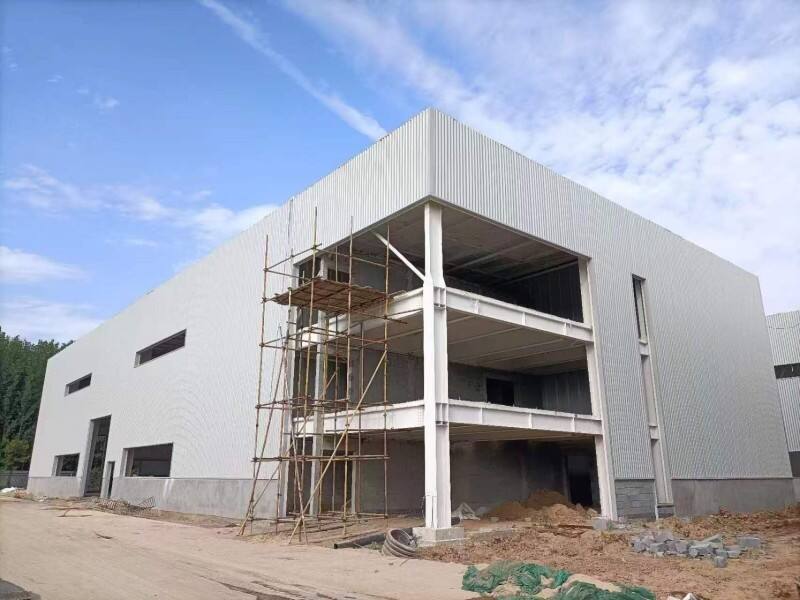
Clear-Span Design: Enabling Flexible, Column-Free Storage Layouts
How Portal and Rigid Frame Systems Achieve Uninterrupted Floor Space
Modern steel buildings often feature portal frames and rigid frame systems that can span over 200 feet between supports. These structures work by sending all the roof weight straight down to the foundation via strong beam-column connections instead of needing those pesky interior columns that take up space. Portal frames get their strength from triangular shapes which naturally resist sideways forces. Rigid frames handle movement differently, using special joints that stay intact even when things shake or vibrate. What does this mean for actual building owners? More room to work with! Warehouses benefit especially well since they need lots of open space for storing goods, setting up automation equipment, or changing layouts later on without tearing down walls or adding new supports.
Operational Impact: Racking Compatibility and Forklift Circulation Efficiency
When warehouses eliminate those interior support columns, everything changes operationally speaking. Companies can now set up high density pallet racks in long uninterrupted lines which means they get about 15 to maybe even 25 percent more storage space overall. The forklift drivers don't have to go back and forth as much either since there are fewer obstacles getting in their way, cutting down travel time by roughly 30%. Automated storage systems fit right in without any issues regarding building height limitations or how wide the aisles need to be. Fewer accidents happen because there's just less clutter around, inventory moves through faster, and loading and unloading takes about 20% less time than before. All these improvements mean each pallet handled costs less money and the whole facility can process more goods throughout the day.
High Ceiling Heights and Vertical Integration Capabilities
Clear Height Standards Across Warehouse Types: From Standard 24ft to Automated 45ft+ Facilities
When talking about warehouse design, clear height matters way more than just being a number on paper. Most traditional distribution centers go for around 24 to 30 feet because that works well with standard pallet racks and those reach trucks we all know. But things change when automation comes into play. Facilities using robots or high density AS/RS systems need much taller spaces, usually between 40 and even 45 feet or more. According to last year's MHI report, nearly 8 out of 10 new automated warehouses are shooting for at least 40 feet of clearance these days. Why does this matter? Simply put, getting extra height means packing in 15 to 30 percent more stuff per square foot without needing any additional land area. Makes sense right? Land costs keep rising everywhere, so maximizing what's already there becomes pretty smart business practice.
Crane Support Design: Structural Reinforcement and Load Path Considerations for Up to 20-Ton Bridge Cranes
Adding overhead bridge cranes to a facility needs special structural work. With 20 ton systems specifically, the runway setup calls for columns that connect properly, load paths that run all the way from the rail down to the ground, plus tight control over how much the structure bends (around +/- 3mm). The stress points matter a lot too, especially where parts are welded together since these areas take the brunt of repeated impacts and wear over time. Safety regulations from OSHA actually demand that structures supporting these cranes have an extra 25% safety margin compared to regular buildings. Get everything right during installation and maintenance, and the system will handle materials moving vertically day after day without compromising the building's integrity even when subjected to those constant heavy loads.
Prefabricated Steel Components: Accelerating Construction Without Compromising Strength
Material Selection Insights: Q235 vs. Q355 in Load-Bearing Steel Structure Building Elements
Steel components made off site can really shorten construction schedules, sometimes cutting them down by as much as 30%. Weather problems and those frustrating delays from on site fabrication just disappear when working with these prefabricated parts. When looking at pre engineered buildings (PEB), what kind of material gets chosen basically determines how strong the whole structure will be. For projects where the loads aren't too heavy, Q235 carbon steel works great and saves money. But when we need something stronger for important parts like columns and trusses, Q355 is the way to go because it has that extra punch with a yield strength of 355 MPa compared to only 235 MPa for Q235. The better strength to weight ratio means buildings can reach higher without needing massive support structures, which is especially useful for factories with big cranes running overhead. Foundations end up carrying about 15 to 20% less weight too. All these steel grades get checked thoroughly during manufacturing so everything fits together quickly once onsite. And modern alloys have been improved to stand up better against earthquakes and rust, making these buildings last well over half a century with hardly any upkeep needed.
Warehouse-Optimized Building Envelope: Energy Efficiency and Operational Resilience
The building envelope plays a fundamental role in making warehouses both efficient and resilient, not something extra or optional. When advanced insulation gets built into steel structures, it stops those pesky thermal bridges that waste so much energy. This can cut down on HVAC demands by around 30 to 40 percent when compared to regular metal buildings according to Metal Building Outfitters research from last year. The right kind of cladding along with proper vapor barriers keeps things inside steady throughout all seasons, which protects valuable equipment and stored goods from getting damaged by moisture or extreme temperatures. And because structural steel itself can be recycled over and over again, these improvements actually lower the overall environmental footprint during the whole life of the facility while also ensuring operations run smoothly day after day and saving money on utilities month after month.
FAQ
What are clear-span designs for warehouses?
Clear-span designs feature structural frames that allow for large open spaces within a building, minimizing the need for columns and thus enabling uninterrupted floor layouts.
How do portal and rigid frame systems benefit warehouse operations?
These systems provide large, unobstructed spaces ideal for high-density storage, efficient forklift movement, and the accommodation of automated systems with flexibility.
Why is high clear height important in warehouses?
Higher clear heights allow for stacking more items vertically, optimizing space usage without additional land, which is beneficial for automated systems.
What role do prefabricated steel components play in construction?
Prefabricated steel components accelerate construction timelines and enhance strength by utilizing high-quality materials like Q355.
How can an optimized building envelope improve warehouse efficiency?
An optimized building envelope with advanced insulation reduces energy waste by preventing thermal bridges and improving the facility's resilience and efficiency.
Table of Contents
- Clear-Span Design: Enabling Flexible, Column-Free Storage Layouts
- High Ceiling Heights and Vertical Integration Capabilities
- Prefabricated Steel Components: Accelerating Construction Without Compromising Strength
- Warehouse-Optimized Building Envelope: Energy Efficiency and Operational Resilience
- FAQ