 EN
EN

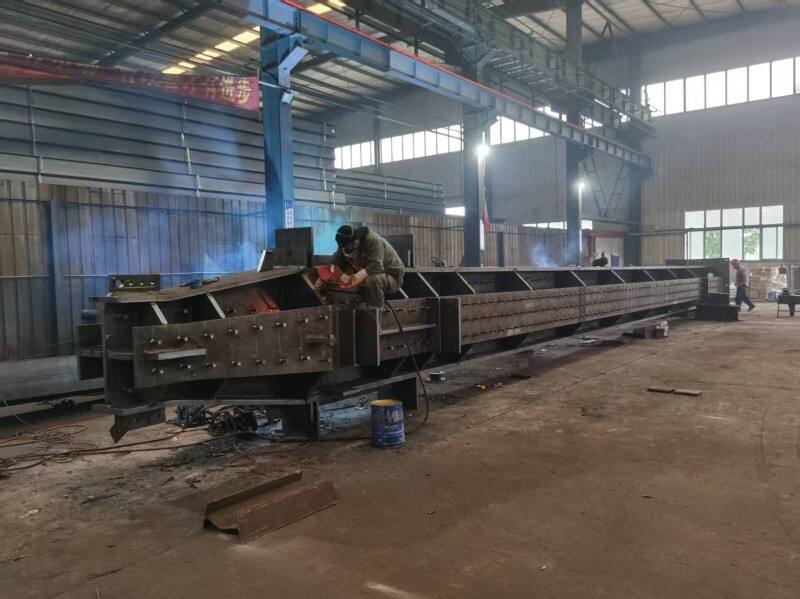
Cradle-to-Gate Embodied Carbon in Steel Structure Building
Carbon intensity of structural steel production: Global averages and regional variability (EU vs. China)
Worldwide, making structural steel produces around 1.8 tonnes of CO2 equivalent for every tonne produced, though there are big differences between regions when it comes to cutting carbon emissions. Plants in Europe generally manage better at about 1.4 tonnes CO2e thanks to cleaner electricity sources and strict environmental rules, which actually cuts their emissions by roughly 22% compared to what we see globally. The picture looks quite different in China where reliance on coal pushes emissions above 2.0 tonnes CO2e. This happens because Chinese facilities tend to run their blast furnaces extensively while incorporating very little renewable energy into operations. These variations have real consequences for buildings that use steel structures throughout their entire life cycle. Simply choosing where to source materials can make a difference of more than 30% in total greenhouse gas emissions from construction projects.
EAF vs. BF-BOF routes and scrap content: Key levers for reducing embodied carbon in steel structure building
The Electric Arc Furnace (EAF) technology, which runs on recycled scrap metal, represents one of the best ways to cut down carbon emissions when making structural steel. These furnaces produce about 0.4 tonnes of CO2 equivalent per tonne when they work with over 90% scrap material, which is roughly three quarters less than what comes out of traditional Basic Oxygen Furnace (BF-BOF) processes. By choosing steel made in EAFs where we know exactly how much scrap was used, companies can actually reduce their emissions from production start to finish by as much as 1.2 tonnes of CO2 equivalent per tonne of steel produced. Getting materials from old buildings and other decommissioned structures helps push forward the circular economy model. Still, people working in this field need to be aware of local issues around sorting different types of scrap, ensuring consistent quality, and dealing with transportation networks that aren't always up to snuff.
Reliability and Standardization of LCA Data for Steel Structure Building
EPD compliance with BS EN 15804 and BS EN 15978: Strengths and gaps for steel structure building assessments
Environmental Product Declarations or EPDs following BS EN 15804 and BS EN 15978 offer a way to report the embodied carbon in steel structures from cradle to gate in a standard format. The standards set out clear boundaries for what gets counted, how resources get allocated, and which environmental impacts matter most, making it possible to compare different products and materials across supply chains. There are still problems though. European EPDs tend to show carbon footprints that are 20 to 30 percent lower than what we see globally because they assume local energy conditions that don't reflect reality elsewhere. Chinese manufacturers, who produce so much steel worldwide, often leave out detailed information about where their electricity comes from or what fuels power their plants. Even though the 2023 PCR changes improved how we account for recycled materials, nobody seems to be tracking transportation emissions properly. Anyone working with these declarations needs to remember they're just starting points, not complete pictures. Real world applications require adding verified data about regional electricity grids and actual transportation distances to fill in all those gaps the current system misses.
Data source consistency: BRE, RICS, ICE, and manufacturer EPDs — transparency challenges for practitioners
Harmonizing embodied carbon data across BRE benchmarks, RICS guidance, ICE databases, and manufacturer EPDs remains a persistent barrier to robust steel structure building assessment. Critical inconsistencies include:
- System boundaries: ICE reports cradle-to-gate only, whereas RICS mandates full A1—C4 whole-life carbon reporting
- Carbon factors: BRE datasets consistently yield 15% higher embodied carbon values than manufacturer EPDs for identical steel sections
- Transparency gaps: Fewer than 40% of publicly available EPDs disclose scrap origin or processing history — obscuring true recycling performance
The gaps in data force professionals to create their own manual reconciliation processes, typically dealing with anywhere from five to seven different sources on each project. Efforts such as the Construction Product Database try to bring some order to these declarations, but there's no real way to enforce checks on the basic data being entered. When regulations don't line up and third party validations aren't required, trying to compare how sustainable steel buildings really are just ends up getting messy because everyone uses different methods. This makes meaningful comparisons almost impossible without some kind of standardized approach across the board.
End-of-Life Performance and Cradle-to-Cradle Realities for Steel Structure Building
Recycling rate myths: Does steel's 90%+ global recycling translate to net LCA benefit in steel structure building?
The commonly mentioned 90% plus global recycling rate for steel hides some pretty complex realities when it comes to life cycle assessments for steel structures. What people often forget is that this number mixes together different types of steel streams like packaging materials and car parts with actual structural grade steel recovery. When we look at real world numbers, there's quite a gap between regions. Developed countries typically manage to recover over 95% of their structural steel, but many developing nations struggle with recovery rates under 60% according to the Global Steel Recycling Council from last year. And here's another thing nobody talks about much: recycling steel isn't actually carbon free at all. Melting down sections that have heavy coatings, galvanization, or special alloys still takes around 60% of what would be needed if making new steel from scratch. Then there are those losses after buildings come down, sometimes losing up to 15% of the weight during demolition, plus all the emissions from shipping recycled material across long distances. Some environmental impact studies completely ignore these factors and just assume perfect recycling with no energy costs involved. These simplified models tend to exaggerate the actual carbon savings by anywhere from 20 to 40 percent.
Downcycling, energy rebound, and system boundary trade-offs in secondary steel use
The real world performance of steel structures when following cradle-to-cradle principles gets limited mainly because materials degrade over time and life cycle assessments don't cover everything they should. About 66% of the steel we recover ends up being turned into lesser quality items such as rebars. Why? Because each time it gets melted down, impurities build up and the metal structure itself starts to fatigue. When this happens, manufacturers have to produce new virgin steel just to fill gaps in the market for stronger structural components, which cancels out any energy savings that might have been achieved. Standard environmental impact calculations often miss important aspects like what happens during demolition work (think about all those emissions from cutting with gas torches or dealing with dangerous coatings) and what needs to happen after taking apart buildings (sandblasting surfaces, applying fresh coatings). These omissions make recycling look better than it actually is. So if we want truly sustainable steel construction, focusing solely on how much steel gets recycled isn't enough. What matters more are smart design choices from day one, including easy disassembly methods, modular connection systems, and specifying materials that can be reused right from their initial installation.
Comparative Embodied Carbon Performance: Steel Structure Building vs. Alternative Systems
UK office case study: Steel frame vs. concrete and mass timber under BS EN 15978
Looking at a recent office building project in the UK evaluated against BS EN 15978 standards shows just how much the choice of structural system affects carbon emissions. Steel frames came in at around 20 to 30 kgCO2e per square meter. While steel production requires lots of energy, these structures do have advantages like being highly recyclable and allowing for precise factory fabrication. Reinforced concrete systems landed somewhere between 25 and 35 kgCO2e per square meter. This number varies quite a bit depending on what kind of cement was used and whether they added those special supplementary materials. The real winner though was mass timber construction using CLT panels. These managed to keep initial emissions down to about 10 to 15 kgCO2e per square meter thanks to the way trees naturally store carbon during growth. But there's a catch here too – this benefit only works if the wood comes from properly certified sustainable forests and gets transported without causing extra environmental harm along the way.
| Material System | Carbon Range (kgCO2e/m2) | Critical Influencing Factors |
|---|---|---|
| Steel frame | 20–30 | Production energy, recycled content |
| Reinforced concrete | 25–35 | Cement type, additives |
| Mass timber (CLT) | 10–15 | Sustainable sourcing, carbon storage |
Steel definitely has some major pluses when it comes to building fast, generating less waste during construction, and being recyclable at the end of its life cycle. These benefits become even better when working with electric arc furnace (EAF) sourced materials and incorporating design approaches that make future reuse easier. On the flip side, wood does offer carbon advantages too, but only if forests are managed responsibly and the timber comes from nearby sources. The bottom line? There's no single best material for reducing carbon impact. What really matters is how different materials fit into specific situations, considering things like where they come from, how long buildings last, and whether components can be taken apart and used again later in their lifecycle.
FAQ
What is the embodied carbon in steel structure buildings?
Embodied carbon refers to the total greenhouse gas emissions generated from the production, transportation, and disposal phases of construction materials, including steel structures.
Why does steel production have different emissions in Europe and China?
European plants achieve lower emissions due to cleaner energy sources and stringent environmental regulations, while Chinese facilities heavily rely on coal, increasing their carbon footprint.
What's the difference between EAF and BF-BOF in steel production?
EAF uses recycled scrap metal and is significantly cleaner, producing lower carbon emissions compared to the traditional BF-BOF process.
Why are EPDs important in assessing steel structures?
Environmental Product Declarations (EPDs) provide standardized information on embodied carbon, helping in comparing carbon footprints of different materials.
Table of Contents
- Cradle-to-Gate Embodied Carbon in Steel Structure Building
- Reliability and Standardization of LCA Data for Steel Structure Building
- End-of-Life Performance and Cradle-to-Cradle Realities for Steel Structure Building
- Comparative Embodied Carbon Performance: Steel Structure Building vs. Alternative Systems
- FAQ