 EN
EN

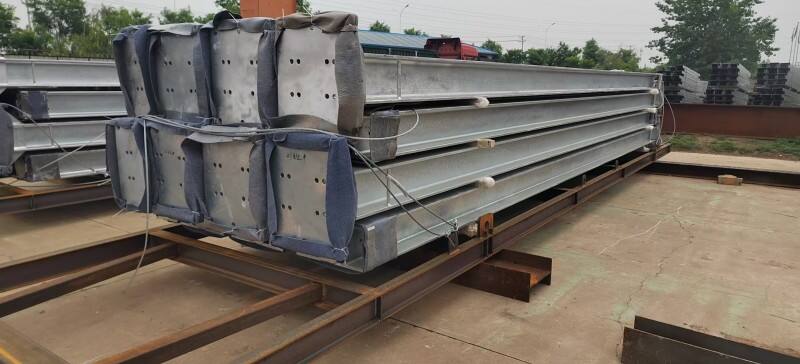
Why Insulation Is Critical in Steel Structure Buildings
Steel is super strong which is why it works so well for building frames. But there's a catch. Steel conducts heat really well too, around 45 watts per meter Kelvin if we get technical about it. That means the whole framework becomes like a giant heat pipe. When buildings made of steel aren't properly insulated, they lose tons of heat during winter months while gaining way too much from sunlight in summer. According to what most experts see in the field, heating and cooling systems need about 40 percent more power than similar buildings with good insulation. And it's not just about wasting electricity either. People inside these buildings often complain about uncomfortable temperature changes throughout the day. Worse still, when warm moist air inside meets those cold steel parts, it creates condensation problems that nobody wants to deal with.
Unmanaged moisture accelerates corrosion of load-bearing components and fosters mold growth—endangering both structural integrity and indoor air quality. Effective insulation serves as a critical thermal barrier that:
- Reduces conductive heat transfer by up to 90% when properly installed
- Lowers annual energy costs by 25–35% on average
- Prevents condensation-related damage
- Ensures compliance with IECC and ASHRAE 90.1 energy standards
By mitigating thermal bridging and moisture risks, insulation transforms steel buildings from basic shells into durable, energy-efficient assets—supporting year-round comfort and extending service life.
Addressing Thermal Bridging in Steel Structure Buildings
How Structural Steel Members Create Thermal Bridges
Steel parts in building structures beams, columns, those little fasteners they stick on everything actually work kind of like big conductive pipes when it comes to heat. Steel conducts heat about 400 times better than most insulation stuff out there. What happens is these metal parts just cut right through the insulation layers, making spots where heat escapes much faster than normal. Buildings made with steel frames lose around 30% of their heat this way, pushing wall surfaces down below the dew point temperature. And that's bad news because moisture starts forming, mold grows, and the steel itself begins to corrode over time all problems that can really shorten how long a building lasts. Some of the worst offenders are those connection points between beams and columns, plus where the exterior panels attach to the frame. These spots alone can be responsible for nearly two thirds of all heat loss in certain parts of the building.
R-Value vs. U-Value: Interpreting Real-World Thermal Performance
The R-value basically tells us how well insulation resists heat flow on its own, whereas the U-value looks at the whole picture when considering heat transfer through walls or roofs including all those framing members, joints, and thermal bridges we often overlook. When talking about steel buildings specifically, understanding this difference matters a lot. Traditional R-values don't account for conductive materials like steel framing, but U-values expose where problems actually occur in building systems. What happens? Sometimes walls with great looking R-values end up performing around 40 percent worse than predicted simply because continuous steel studs let heat escape, which can drive up energy bills anywhere from 15 to 25 percent in really cold or hot regions. That's why newer building codes such as IECC 2021 now require compliance based on U-values instead of relying solely on R-values. After all, nobody wants their calculations to miss what's happening in real world conditions.
Managing Condensation and Moisture in Steel Structure Buildings
Dew Point Control and Vapor Barrier Placement Best Practices
When humid air inside a building comes into contact with cold steel surfaces that are below the dew point temperature (where moisture turns from vapor to liquid), condensation happens. This causes problems for insulation effectiveness and starts the process of metal corrosion. Putting vapor barriers in the right spots acts as protection against these issues. For areas with colder weather, it makes sense to put those barriers on the warmer side of insulation so they can stop vapor from moving through. Every joint, seam, and penetration needs sealing completely to keep air from escaping. Mechanical ventilation systems should keep indoor humidity levels under 60% since that's generally considered safe for controlling moisture buildup. Checking everything once a year is smart practice, particularly looking at places where pipes run through walls, structural connections, and anywhere roofs meet other structures. These regular checks help ensure barriers stay intact before any major failures occur.
Preventing Corrosion Through Integrated Moisture Management
Steel starts to corrode when water gets through its protective coatings. The problem gets much worse too when the air is over 70% humid because this makes rust form twice as fast in parts without protection. To fight corrosion effectively, there are basically three things that work together well. First, good ventilation systems should move about 2 to 4 times the total air volume each hour. Second, proper drainage paths keep water from sitting around where it can cause damage. Third, places with lots of moisture need special equipment like dehumidifiers to control the environment. This becomes even more important near coasts where salt particles in the air speed up the chemical reactions that eat away at metal surfaces. Regular maintenance matters a lot too. Cleaning gutters and downspouts every three months prevents water buildup. Checking condensation drains regularly helps spot problems early. Thermal imaging technology can find hidden moisture spots before they turn into serious corrosion issues, saving time and money in the long run.
Selecting the Right Insulation System for Steel Structure Buildings
Material Comparison: Fiberglass, Spray Foam, Rigid Foam, and Insulated Metal Panels
Fiberglass is still popular because it's affordable and relatively easy to install. But there's one catch: those joints and framing areas need really good sealing work to stop heat loss through thermal bridging. Closed cell spray foam does a much better job at sealing air leaks, giving around R-7 per inch plus built in moisture protection. Great stuff for places where humidity is a problem or near the coast, but comes with a price tag roughly 40% higher than regular fiberglass. Rigid foam boards pack quite a punch when it comes to insulation value, somewhere between R-4 and R-8 per inch, and can handle compression forces well for outside walls. Still, these boards need proper covering and extra attention at all the edges and spots where things penetrate through the wall. Insulated metal panels or IMPs as they're called bring thermal breaks right into their design. These panels can reach overall wall R values above R-30 and cut down on installation time by nearly half compared to traditional methods. For buildings in colder regions or areas with lots of moisture in the air, IMPs help prevent condensation buildup inside walls, which protects against rust forming on steel structures over time.
Climate, Use Case, and Fire Safety: Key Selection Drivers
The regional climate has a big impact on what kind of insulation works best. In really cold areas, we're talking about R-25 or better systems such as insulated metal panels or closed cell spray foam to keep those precious BTUs inside where they belong. Down south in hot climates, reflective radiant barriers make much more sense since they help cut down on all that pesky solar gain. Warehouses that don't need constant climate control can get away with good old fashioned fiberglass insulation most of the time. But when it comes to places like pharmaceutical labs or data centers where humidity and temperature have to stay within very narrow ranges, spray foam becomes essential because of how well it seals against moisture. Fire safety cannot be ignored either. Most rigid foam products and insulated metal panels will pass the ASTM E84 Class A test with flame spread numbers under 25. Spray foam is different though - some formulations might actually need extra protection like intumescent coatings or thermal barriers. And remember to check local building codes regarding smoke development ratings, flame spread limits, and any mandatory thermal barriers especially if dealing with buildings used for public gatherings.
FAQ
Why is insulation important in steel structure buildings?
Insulation is crucial in steel structure buildings because steel conducts heat very effectively, which can lead to higher energy costs and uncomfortable temperature changes inside the building. Proper insulation reduces heat transfer, lowers energy costs, prevents condensation-related damage, and ensures compliance with energy standards.
What is the difference between R-value and U-value?
R-value measures how well insulation resists heat flow, while U-value considers the overall heat transfer through walls or roofs, including thermal bridges. The U-value provides a more comprehensive view, especially in buildings with steel structures where thermal bridges significantly impact performance.
How can condensation be managed in steel structure buildings?
Proper vapor barrier placement and effective ventilation are key. Barriers should be placed on the warm side of the insulation, and joints and penetrations sealed. Ventilation systems should maintain humidity below 60% to prevent condensation and corrosion.
What insulation materials are suitable for steel structure buildings?
Common materials include fiberglass, spray foam, rigid foam, and insulated metal panels. The choice depends on factors like climate, moisture levels, and specific building requirements. Insulated metal panels and closed-cell spray foam are often preferred in colder or high-moisture areas.