 EN
EN

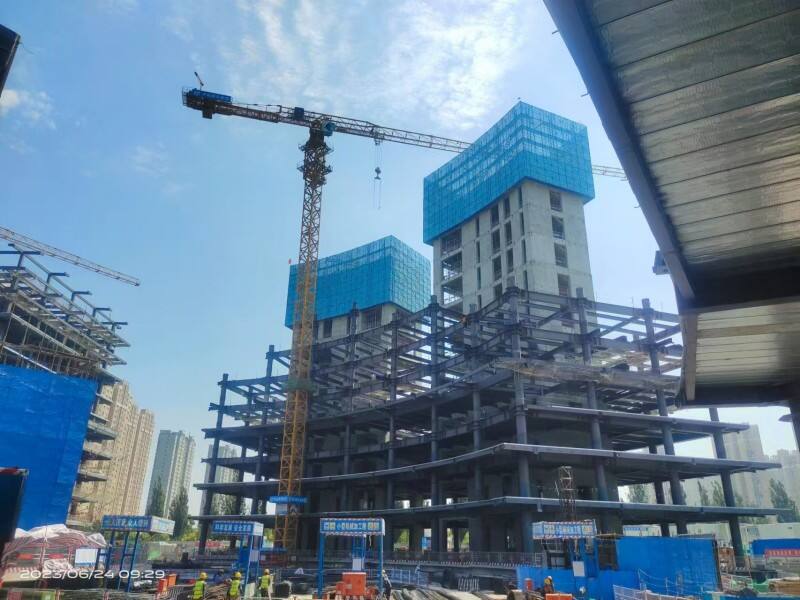
องค์ประกอบหลักที่รับน้ำหนักในโครงสร้างเหล็ก
คาน คอลัมน์ และชิ้นส่วนแบบตรีโกณมิติ: หน้าที่และการทำงานร่วมกันในเส้นทางการรับน้ำหนักจากแรงโน้มถ่วงและแรงด้านข้าง
คาน คอลัมน์ และชิ้นส่วนแบบตรีโกณมิติเป็นโครงร่างหลักของโครงสร้างเหล็กทุกชนิด — แต่ละชิ้นมีหน้าที่เฉพาะตัวแต่ก็พึ่งพาอาศัยกันและกันในการรับน้ำหนักจากแรงโน้มถ่วงและแรงด้านข้าง
- คาน วางตัวแนวนอนระหว่างจุดรองรับ โดยถ่ายโอนน้ำหนักจากแรงโน้มถ่วง (เช่น อุปกรณ์ น้ำหนักหิมะ หรือน้ำหนักตาย/น้ำหนักใช้งานของพื้น)
- เสา รับแรงอัดตามแนวแกนที่สะสมไว้ลงสู่ฐานราก และต้านทานการโก่งตัว (buckling) ผ่านการยึดเสริมอย่างเหมาะสมและการควบคุมอัตราส่วนความยาวต่อความกว้าง (slenderness)
- คานตรัส โดยใช้รูปทรงเรขาคณิตแบบสามเหลี่ยม สามารถกระจายโหลดได้อย่างมีประสิทธิภาพบนช่วงความยาวที่มาก — มักใช้ในโครงหลังคาและสะพาน — ขณะเดียวกันก็ลดปริมาณวัสดุที่ใช้และน้ำหนักตัวเองให้น้อยที่สุด
ชิ้นส่วนต่าง ๆ เหล่านี้ทำงานร่วมกันเพื่อสร้างเส้นทางการรับน้ำหนักแบบต่อเนื่องและสำรองทั่วทั้งโครงสร้าง ตัวอย่างเช่น แรงจากลมหรือแผ่นดินไหวจะกระทำต่อพื้นและหลังคา (ซึ่งโดยทั่วไปทำจากคานและวัสดุปูพื้น) จากนั้นถ่ายโอนแรงไปในแนวข้างเข้าสู่โครงสร้างที่มีระบบยึดเสริม (braced frames) หรือจุดเชื่อมต่อพิเศษ ก่อนจะถูกดูดซับโดยรากฐานของอาคาร ในการออกแบบอาคาร วิศวกรโครงสร้างจะพิจารณาความสัมพันธ์ระหว่างระบบทั้งหลายเหล่านี้ เพื่อให้โครงสร้างทั้งหมดไม่พังทลายลงหากส่วนใดส่วนหนึ่งเกิดความเสียหาย โดยหลักการแล้ว พวกเขาต้องการให้มั่นใจว่า เมื่อส่วนใดส่วนหนึ่งได้รับความเสียหาย ชิ้นส่วนใกล้เคียงจะสามารถรับน้ำหนักแทนได้โดยไม่ก่อให้เกิดความล้มสลายอย่างรุนแรงที่ตำแหน่งอื่นของโครงสร้าง
ระบบโครงสร้างและภาวะต่อเนื่อง: การเชื่อมต่อช่วยให้การถ่ายโอนน้ำหนักเป็นไปอย่างมีประสิทธิภาพ
ความสมบูรณ์ของโครงสร้างเหล็กขึ้นอยู่ไม่เพียงแต่กับชิ้นส่วนแต่ละชิ้นเท่านั้น แต่ยังขึ้นอยู่กับวิธีที่ชิ้นส่วนเหล่านั้นถูกเชื่อมต่อกันด้วย การเชื่อมต่อเปลี่ยนองค์ประกอบที่แยกจากกันให้กลายเป็นระบบโครงสร้างแบบบูรณาการที่สามารถถ่ายโอนแรงได้อย่างน่าเชื่อถือ มีการแบ่งประเภทของการเชื่อมต่อออกเป็นสามแบบหลัก ซึ่งกำหนดประสิทธิภาพโดยรวม:
- การเชื่อมต่อแบบแข็งแกร่ง ซึ่งมักใช้วิธีการเชื่อม (welded) เพื่อให้เกิดความต่อเนื่องของโมเมนต์—ทำให้โครงสร้างสามารถต้านทานการเอียงตามแนวข้างได้ผ่านความต้านทานการดัด
- การเชื่อมต่อแบบง่าย ซึ่งมักใช้สลักเกลียว (bolted) เพื่ออนุญาตให้เกิดการหมุนที่จุดต่อ และถ่ายโอนแรงเฉือนเพียงอย่างเดียว จึงรองรับการขยายตัวหรือหดตัวจากความร้อนและทำให้กระบวนการก่อสร้างง่ายขึ้น
- การเชื่อมต่อแบบกึ่งแข็งแกร่ง ซึ่งกำลังได้รับความนิยมมากขึ้นในการออกแบบสำหรับเขตเสี่ยงแผ่นดินไหว ให้คุณสมบัติความแข็งแกร่ง (stiffness) และความเหนียว (ductility) ที่ควบคุมได้ เพื่อดูดซับและกระจายพลังงานออกไปโดยไม่เกิดการล้มเหลวแบบเปราะหัก
ความต่อเนื่องจะเกิดขึ้นได้ผ่านรายละเอียดการออกแบบที่คำนวณมาอย่างแม่นยำ เช่น แผ่นเสริม (gusset plates) บนโครงถัก (trusses) หรือข้อต่อระหว่างคานกับเสาแบบแผ่นปลาย (end-plate beam-to-column joints) ซึ่งช่วยให้การถ่ายโอนแรงเกิดขึ้นได้โดยไม่เกิดการบิดเบี้ยวหรือการสะสมความเค้นที่จุดใดจุดหนึ่ง—ซึ่งเป็นสิ่งสำคัญยิ่งภายใต้การโหลดแบบไดนามิกจากแผ่นดินไหว ลมกระโชก หรือการสั่นสะเทือนจากเครื่องจักรหนัก
หลักการออกแบบโครงสร้างเหล็กเพื่อความมั่นคงของโครงสร้าง
การปรับสมดุลระหว่างความแข็งแรง ความแข็งแกร่ง และความมั่นคงในการออกแบบโครงสร้างเหล็ก
การออกแบบโครงสร้างเหล็กที่มีประสิทธิภาพขึ้นอยู่กับการบูรณาการและรักษาสมดุลระหว่างความแข็งแรง ความแข็งแกร่ง และความมั่นคง — ซึ่งเป็นสามเสาหลักที่พึ่งพาอาศัยกัน
- ความแข็งแรง รับประกันว่าสมาชิกจะทนต่อการลดหรือหักภายใต้ภาระการออกแบบ; มันถูกกํากับโดยความแข็งแรงของผลผลผลิต ความสามารถในการดึงสูงสุด และช่างเจอเมตรส่วน
- ความแข็ง ควบคุมการยุบตัว (deflection) และความสามารถในการใช้งานจริง — การยุบตัวมากเกินไปจะส่งผลให้ประสิทธิภาพการใช้งานลดลง ก่อให้เกิดโมเมนต์รอง (secondary moments) และอาจนำไปสู่ความเสียหายต่อส่วนประกอบที่ไม่ใช่โครงสร้าง
- ความคงที่ ความมั่นคง ซึ่งมักถูกมองข้ามมากที่สุด ช่วยป้องกันการโก่งตัว (buckling) ไม่ว่าจะเป็นการโก่งตัวแบบท้องถิ่น (plate buckling) การโก่งตัวแบบบิด-โค้งข้าง (lateral-torsional buckling) ในคาน หรือการโก่งตัวแบบรวมทั้งระบบ (global buckling) ในเสา ผ่านการใช้ระบบยึดเสริม (bracing) ที่เหมาะสม สัดส่วนของชิ้นส่วน และความแข็งแกร่งของการเชื่อมต่อ
การเน้นความแข็งแรงเพียงอย่างเดียวมากเกินไปอาจส่งผลให้เกิดส่วนประกอบที่บางและไม่เสถียร; ความแข็งแกร่งเกินจำเป็นจะเพิ่มน้ำหนัก ต้นทุน และภาระจากแผ่นดินไหว ตามที่ระบุไว้ในรายงานของสภาความมั่นคงเชิงโครงสร้าง ค.ศ. 2023 พบว่าเกือบ 27% ของการล้มเหลวของโครงสร้างเหล็กที่มีการบันทึกไว้ เกิดขึ้นโดยตรงจากข้อผิดพลาดในการพิจารณาความมั่นคง—ซึ่งชี้ให้เห็นว่าเหตุใดการวิเคราะห์สมัยใหม่จึงจำเป็นต้องผสานหลักการทั้งสามประการนี้เข้าด้วยกันตั้งแต่ขั้นตอนการออกแบบแนวคิด
การปรับปรุง AISC 360-22: ผลกระทบสำคัญต่อขีดจำกัดความบางและความมั่นคง
AISC 360-22 ได้แนะนำการปรับปรุงอย่างมีนัยสำคัญต่อกระบวนการตรวจสอบความมั่นคง โดยเฉพาะอย่างยิ่งการกำหนดขีดจำกัดความบาง (λ) ที่เข้มงวดยิ่งขึ้นสำหรับชิ้นส่วนรับแรงอัด ค่า λ ที่ยอมรับได้ถูกปรับลดลงสูงสุดถึง 15% สำหรับบางประเภทของชิ้นส่วนที่ผลิตจากการกลิ้งและชิ้นส่วนประกอบ (built-up sections) ซึ่งสะท้อนความเข้าใจที่อัปเดตแล้วเกี่ยวกับความไวต่อความไม่สมบูรณ์แบบ โดยเฉพาะอย่างยิ่งในชิ้นส่วน H-section ที่เชื่อม ซึ่งการเปลี่ยนแปลงเหล่านี้ส่งผลต่อการออกแบบเสาดังนี้:
- ส่งเสริมให้เลือกใช้ชิ้นส่วนประกอบ (built-up sections) หรือชิ้นส่วนทรงสี่เหลี่ยมกล่อง (box sections) ตั้งแต่ระยะเริ่มต้นสำหรับงานที่รับโหลดสูง
- เพิ่มขอบเขตความปลอดภัยต่อการโก่งตัวแบบยืดหยุ่น (elastic buckling) และแบบพลาสติก (inelastic buckling)
- ต้องใช้การวิเคราะห์ลำดับที่สองอย่างชัดแจ้ง (ตามภาคผนวก 1) สำหรับโครงสร้างที่มีค่า λ เกินขีดจำกัดที่ปรับปรุงใหม่
วิศวกรจำเป็นต้องตรวจสอบการจัดหมวดหมู่ของชิ้นส่วนโดยใช้ตาราง B4.1a/b ที่ปรับปรุงใหม่ก่อนสรุปการออกแบบ เพื่อให้มั่นใจว่าสอดคล้องกับการตรวจสอบความมั่นคงทั้งในระดับท้องถิ่นและระดับโลก แม้การปรับปรุงเหล่านี้จะเพิ่มความแม่นยำในการออกแบบรายละเอียด แต่โดยรวมแล้วสามารถลดความเสี่ยงที่เกี่ยวข้องกับการโก่งตัวได้โดยไม่กระทบต่อความเป็นไปได้ในการก่อสร้าง
กลยุทธ์การออกแบบการเชื่อมต่อในวิศวกรรมโครงสร้างเหล็กสมัยใหม่
การเชื่อมต่อด้วยสลักเกลียวเทียบกับการเชื่อมต่อด้วยการเชื่อม: ข้อแลกเปลี่ยนด้านประสิทธิภาพ ความเหนียว และความทนทานต่อแผ่นดินไหว
การเลือกการเชื่อมต่อเป็นการตัดสินใจเชิงกลยุทธ์ ไม่ใช่เพียงแค่ความชอบในการผลิตเท่านั้น การเชื่อมต่อด้วยสลักเกลียวและการเชื่อมต่อด้วยการเชื่อมต่างมีข้อได้เปรียบที่เสริมซึ่งกันและกัน ซึ่งขึ้นอยู่กับบริบทของโครงการ โดยเฉพาะอย่างยิ่งระดับความเสี่ยงจากแผ่นดินไหวและความต้องการในการตรวจสอบ
- การเชื่อมต่อแบบบอลท์ มอบความเหนียวที่เหนือกว่า ความสะดวกในการตรวจสอบหน้างาน และความสามารถในการปรับตัว—ทำให้เป็นทางเลือกอันดับหนึ่งในเขตที่มีความเสี่ยงจากแผ่นดินไหวสูง ซึ่งการกระจายพลังงานอย่างควบคุมได้มีความสำคัญยิ่ง การจำลองเหตุการณ์แผ่นดินไหวแสดงให้เห็นว่าข้อต่อแบบยึดด้วยโบลต์สามารถรับการเปลี่ยนรูปพลาสติกได้มากกว่าข้อต่อแบบเชื่อมประมาณ 25% ก่อนเกิดการล้มเหลว
- สายเชื่อมต่อที่เชื่อม แม้จะให้ความแข็งเริ่มต้นสูงกว่า (+15% ในการวิเคราะห์โครงสร้างแบบกรอบทั่วไป) และเส้นทางการถ่ายโอนแรงที่ต่อเนื่องไร้รอยต่อ แต่ก็มีแนวโน้มเกิดการแตกหักแบบเปราะ (brittle fracture) ภายใต้การรับโหลดแบบวนซ้ำมากกว่า และต้องการการควบคุมคุณภาพอย่างเข้มงวดระหว่างกระบวนการผลิต
| Attribut | การเชื่อมต่อแบบบอลท์ | สายเชื่อมต่อที่เชื่อม |
|---|---|---|
| ความทนทาน | มีแนวโน้มเกิดการกัดกร่อนที่บริเวณรอยต่อ | ความต่อเนื่องของวัสดุอย่างสม่ำเสมอ |
| ประสิทธิภาพในการป้องกันแผ่นดินไหว | ความเหนียวสูง (μ~8–10%) | ความสามารถในการรับการเปลี่ยนรูปจำกัด |
| ความเร็วในการก่อสร้าง | การประกอบหน้างานรวดเร็วกว่า | ต้องใช้แรงงานที่มีทักษะและความสามารถในการควบคุมคุณภาพ |
| การบำรุงรักษา | การเปลี่ยนโบลต์ทำได้ง่ายกว่า | ต้องซ่อมแซมทั้งหน้าตัด |
แนวทางปฏิบัติที่เหมาะสมที่สุดคือการใช้กลยุทธ์แบบผสมผสาน — ใช้การยึดด้วยสกรูในเขตที่มีความเสี่ยงจากแผ่นดินไหวอย่างรุนแรง และใช้การเชื่อมในบริเวณที่ความแข็งแกร่งและความต่อเนื่องมีความสำคัญเหนือความต้องการด้านฟังก์ชัน — เพื่อให้มั่นใจว่าโครงสร้างจะมีความทนทาน ประหยัดค่าใช้จ่าย และสามารถก่อสร้างได้อย่างมีประสิทธิภาพ
สมบัติของวัสดุที่ควบคุมพฤติกรรมของโครงสร้างเหล็ก
สมบัติเชิงกลและสมบัติทางเคมีของเหล็กโครงสร้างเป็นปัจจัยพื้นฐานที่กำหนดว่าโครงสร้างเหล็กจะตอบสนองต่อภาระแบบคงที่ แบบพลศาสตร์ และสภาพแวดล้อมอย่างไร ลักษณะหลักประกอบด้วย:
- ความต้านทานแรงดึง ซึ่งหมายถึงจุดเริ่มต้นของการเกิดการเปลี่ยนรูปถาวร
- ความแข็งแรงแรงดึงสูงสุด ซึ่งหมายถึงความเค้นสูงสุดก่อนที่วัสดุจะขาด
- ความยืดหยุ่น ซึ่งวัดจากอัตราการยืดตัวหรือการลดลงของพื้นที่หน้าตัด — ซึ่งมีความจำเป็นอย่างยิ่งในการดูดซับพลังงานระหว่างเหตุการณ์แผ่นดินไหวหรือการรับแรงกระแทก
สมบัติเหล่านี้มีความสัมพันธ์กันและได้รับอิทธิพลจากองค์ประกอบทางเคมีและกระบวนการผลิต: ปริมาณคาร์บอนที่สูงขึ้นจะเพิ่มความแข็งแรง แต่ลดความสามารถในการดัดโค้ง (ductility) และความสามารถในการเชื่อม; ธาตุโลหะผสม เช่น โครเมียม จะช่วยเพิ่มความต้านทานต่อการกัดกร่อน; และกระบวนการรีดร้อน (hot-rolling) เทียบกับการขึ้นรูปเย็น (cold-forming) จะส่งผลต่อโครงสร้างเม็ดผลึก ความเหนียว และความต้านทานต่อการเหนื่อยล้า
เมื่อเลือกวัสดุ ควรพิจารณาการใช้งานเป็นอันดับแรก ตัวอย่างเช่น เหล็กกล้าที่มีความต้านทานแรงดึงต่ำ เช่น ASTM A36 มักถูกเลือกใช้เป็นหลักเนื่องจากมีความสามารถในการโค้งงอแทนที่จะหักภายใต้แรงเครียด ซึ่งทำให้เหมาะอย่างยิ่งสำหรับบริเวณที่มีความเสี่ยงต่อแผ่นดินไหว ตรงข้ามกัน วัสดุที่มีความแข็งแรงสูงกว่า เช่น ASTM A992 ช่วยให้วิศวกรสามารถสร้างโครงสร้างที่สูงขึ้นได้โดยไม่จำเป็นต้องใช้คานขนาดใหญ่โตเกินไป นอกจากนี้ ปริมาณกำมะถันในเหล็กก็มีความสำคัญเช่นกัน หากปริมาณกำมะถันเกินร้อยละ 0.05 จะอาจเกิดปัญหาขณะเชื่อม เนื่องจากโลหะมีแนวโน้มที่จะแตกร้าวมากขึ้นภายใต้อุณหภูมิสูง นี่คือเหตุผลที่ข้อกำหนดทางเทคนิคจำเป็นต้องได้รับการตรวจสอบอย่างรอบคอบ เมื่อพิจารณาจากรายงานจริงจากหน้างาน จะพบสิ่งที่น่าตกใจอย่างยิ่ง: ประมาณร้อยละ 60 ของความล้มเหลวของโครงสร้างทั้งหมดเกิดขึ้นเพียงเพราะเลือกใช้วัสดุที่ไม่เหมาะสมกับสภาพการใช้งาน ดังนั้น การเลือกวัสดุจึงไม่ใช่เพียงรายละเอียดปลีกย่อยเท่านั้น แต่แท้จริงแล้วเป็นหนึ่งในปัจจัยที่สำคัญที่สุดที่ส่งผลต่อทั้งความปลอดภัยของอาคารและอายุการใช้งานของโครงสร้างก่อนที่จะต้องเปลี่ยนใหม่
อุณหภูมิยังส่งผลต่อพฤติกรรมของวัสดุเพิ่มเติมอีกด้วย: เหล็กจะรักษาความแข็งแรงที่จุดให้พลาสติก (yield strength) ได้เพียงประมาณ 80% ของค่าที่วัดที่อุณหภูมิห้องเมื่ออุณหภูมิสูงถึง 600°F (315°C) ซึ่งจำเป็นต้องมีการป้องกันไฟไหม้ในอาคารที่มีผู้ใช้งาน การเข้าใจความสัมพันธ์แบบนี้ช่วยให้วิศวกรสามารถเลือกเกรดเหล็ก องค์ประกอบทางเคมี และกระบวนการบำบัดให้เหมาะสมกับบทบาทเชิงโครงสร้างเฉพาะแต่ละประเภท เพื่อให้มั่นใจว่าโครงสร้างจะมีสมรรถนะที่แข็งแกร่งภายใต้สภาวะการใช้งานทั้งหมด
คำถามที่พบบ่อย
องค์ประกอบรับน้ำหนักหลักในโครงสร้างเหล็กคืออะไร
องค์ประกอบรับน้ำหนักหลักในโครงสร้างเหล็ก ได้แก่ คาน (beams), เสา (columns) และชุดโครงข้อต่อแบบตรีโกณมิติ (trusses) โดยคานทำหน้าที่พาดข้ามในแนวระดับ เสาทำหน้าที่รับแรงอัดตามแนวแกนลงสู่พื้น และชุดโครงข้อต่อแบบตรีโกณมิติทำหน้าที่กระจายโหลดอย่างมีประสิทธิภาพบนช่วงระยะยาว
การต่อเชื่อมมีอิทธิพลต่อความสมบูรณ์ของโครงสร้างเหล็กอย่างไร
การต่อเชื่อมมีความสำคัญอย่างยิ่ง เพราะทำหน้าที่เปลี่ยนอนุภาคแต่ละชิ้นให้กลายเป็นระบบที่รวมเป็นหนึ่งเดียว ซึ่งสามารถถ่ายโอนโหลดได้ ทั้งการต่อเชื่อมแบบแข็ง (rigid connections), การต่อเชื่อมแบบง่าย (simple connections) และการต่อเชื่อมแบบกึ่งแข็ง (semi-rigid connections) ล้วนมีบทบาทในการรักษาความสมบูรณ์ของโครงสร้างภายใต้สภาวะต่าง ๆ
ความสำคัญของการปรับสมดุลระหว่างความแข็งแรง ความแข็งตัว และความมั่นคงในการออกแบบโครงสร้างเหล็กคืออะไร
การปรับสมดุลทั้งสามปัจจัยนี้เป็นสิ่งจำเป็นเพื่อให้มั่นใจว่าโครงสร้างจะปลอดภัย การเน้นปัจจัยใดปัจจัยหนึ่งมากเกินไปอาจส่งผลเสียต่อความสมบูรณ์โดยรวมของโครงสร้าง ซึ่งอาจนำไปสู่ปัญหาด้านการออกแบบและประสิทธิภาพการใช้งาน
การปรับปรุงมาตรฐาน AISC 360-22 มีผลกระทบต่อการออกแบบโครงสร้างเหล็กอย่างไร
AISC 360-22 กำหนดข้อจำกัดด้านความบาง (slenderness limits) ที่เข้มงวดยิ่งขึ้น และกำหนดให้มีการตรวจสอบความมั่นคงอย่างละเอียดมากขึ้น ซึ่งส่งผลต่อการออกแบบเสา ขอบเขตความปลอดภัย และจำเป็นต้องดำเนินการวิเคราะห์บางประการเพื่อให้สอดคล้องกับข้อกำหนด
ควรเลือกใช้การต่อเชื่อมด้วยโบลต์หรือการเชื่อมแบบไฟฟ้าในโครงสร้างเหล็กเมื่อใด
การต่อเชื่อมด้วยโบลต์เหมาะสำหรับพื้นที่ที่มีความเสี่ยงจากแผ่นดินไหวสูง เนื่องจากมีความสามารถในการดัดตัวได้ดี (ductility) ขณะที่การเชื่อมแบบไฟฟ้าเหมาะสมกว่าในพื้นที่ที่ต้องการความแข็งตัวเริ่มต้นสูงและความต่อเนื่องที่ดี
สารบัญ
- องค์ประกอบหลักที่รับน้ำหนักในโครงสร้างเหล็ก
- หลักการออกแบบโครงสร้างเหล็กเพื่อความมั่นคงของโครงสร้าง
- กลยุทธ์การออกแบบการเชื่อมต่อในวิศวกรรมโครงสร้างเหล็กสมัยใหม่
- สมบัติของวัสดุที่ควบคุมพฤติกรรมของโครงสร้างเหล็ก
-
คำถามที่พบบ่อย
- องค์ประกอบรับน้ำหนักหลักในโครงสร้างเหล็กคืออะไร
- การต่อเชื่อมมีอิทธิพลต่อความสมบูรณ์ของโครงสร้างเหล็กอย่างไร
- ความสำคัญของการปรับสมดุลระหว่างความแข็งแรง ความแข็งตัว และความมั่นคงในการออกแบบโครงสร้างเหล็กคืออะไร
- การปรับปรุงมาตรฐาน AISC 360-22 มีผลกระทบต่อการออกแบบโครงสร้างเหล็กอย่างไร
- ควรเลือกใช้การต่อเชื่อมด้วยโบลต์หรือการเชื่อมแบบไฟฟ้าในโครงสร้างเหล็กเมื่อใด