 EN
EN

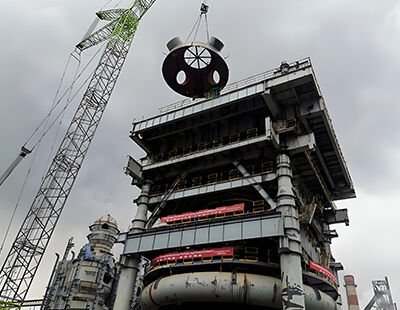
Why Aesthetic Intent Is Now Central to Steel Structure Design
These days, architects are putting more emphasis on how steel structures look rather than just focusing on their function. The shift makes sense when we consider what commercial clients want these days - many businesses across retail and hospitality sectors need buildings that actually help tell their brand story through bold architectural statements. Thanks to advances in metalworking technology, designers can get pretty wild with their creations. Structural components aren't just there for support anymore but have become key design features. Take those exposed steel beams everyone loves seeing in trendy lofts and office spaces. They hold everything up for sure, but they also create interesting patterns and textures when placed strategically throughout a space. Some architects even play around with different surface treatments to highlight certain areas or create contrast.
There's solid economics behind what we're seeing too. Properties featuring thoughtful steel design elements tend to fetch about 7 to 12 percent more in lease rates and draw roughly 30% greater attention from potential tenants, per the Commercial Architecture Review last year. What's really interesting though is how this ties into broader societal changes. Modern office spaces and shopping areas are increasingly focused on creating environments people actually want to spend time in. Real materials like exposed steel create a sense of honesty that just feels right somehow. Architects who see steel not just as support but as part of the visual story end up creating spaces where everything works together rather than competing against each other for attention.
Key drivers include:
- Material versatility: Steel's malleability supports complex geometries impossible with concrete or wood
- Sustainability synergy: Visually expressive designs often incorporate recycled steel, aligning aesthetics with eco-conscious values
- Technological enablers: Digital modeling allows precise visualization of light/shadow interplay across steel surfaces
This design philosophy represents a fundamental reimagining of steel's role—from hidden skeleton to celebrated architectural protagonist.
Form Innovation: Expressive Steel Structure Configurations
L-, T-, and Breezeway Forms as Spatial and Visual Anchors
Steel structures get transformed into real experiences when architects work with L-shapes, T-shapes, and breezeways. These different forms help create separate spaces within buildings. For example, they can keep production areas apart from office spaces in factories or define nice little courtyards inside civic buildings while also setting up clear visual priorities. Take a T-shaped building for instance. The way people naturally move towards the middle where the two arms meet actually helps them find their way around better. Then there are those breezeways too. They act as bright, airy passageways that make moving from one part of a building to another feel less abrupt. Today's top manufacturers are really getting creative with these layouts. They balance practical needs with artistic flair, sometimes stretching cantilevers out as far as 15 meters just to create those striking shapes that stand out against city skylines.
Clear-Span Steel Structures: Enabling Uninterrupted, Sculptural Volumes
When architects use clear span engineering, they can create interiors without those annoying columns that block views and limit space. Some buildings now have spans over 200 feet wide, which opens up possibilities for creative designs. Think about it: when there are no columns getting in the way, spaces transform into blank slates for architects to play with. We see curved roofs, floating platforms, and even moving art pieces becoming more common in modern buildings. Museums and art galleries especially love this approach because their curators can arrange exhibits exactly how they want without worrying about structural limitations. The secret behind all this? Steel trusses and lattice girders that support huge spaces while using less material overall. Studies show these methods cut down on embodied carbon by around 30% compared to traditional construction techniques. What does this mean for designers? They can finally build those crazy looking structures that once seemed impossible to construct.
Material Synergy: Enhancing Steel Structure Aesthetics Through Strategic Juxtaposition
The real beauty of steel structures comes out when they're paired with other materials in just the right way. Think about how steel looks next to wood, glass panels, or even concrete blocks it goes from being just structural support to something almost artistic. These combinations create interesting spaces where different materials talk to each other visually. According to some recent studies (though numbers can be tricky), around four out of five architects these days focus on mixing materials to create visual balance in their designs for new buildings.
- Steel-timber blends leverage steel's tensile strength against wood's warmth, merging industrial precision with biophilic textures
- Steel-glass assemblies create floating illusions through transparency, reducing visual mass while maintaining structural integrity
- Steel-concrete composites form striking geometric patterns where raw concrete's roughness contrasts with steel's smooth finishes
When looking at building design, what happens goes much deeper than just how things look on the outside. Steel frames make it possible to create really interesting shapes in mixed material buildings. The wooden parts can stretch across bigger spaces, and those big glass sections seem almost floating without any visible support. What makes this combination work so well is that each material brings something special to the table. Steel holds everything together firmly, glass lets in natural light throughout the day, and concrete gives weight and definition to different areas within a space. Plus, using these materials together actually saves resources because they share the workload efficiently. Buildings feel most authentic when their structural features don't just serve function but also create memorable experiences for people who use them daily.
FAQ
Why has there been a shift towards the aesthetic design of steel structures?
The shift towards aesthetic design in steel structures aligns with the commercial demand for buildings that tell a brand story. It also incorporates modern metalworking technologies, allowing structures to become focal design features rather than mere support elements.
What economic benefits do aesthetically designed steel structures offer?
Such properties tend to fetch higher lease rates—around 7 to 12 percent more—while attracting approximately 30% more interest from potential tenants, according to last year's Commercial Architecture Review.
What are the key drivers behind steel's design transformation?
The transformation is driven by material versatility, sustainability synergies, and technological advancements in digital modeling that enhance how steel structures interact with light and shadow.