 EN
EN

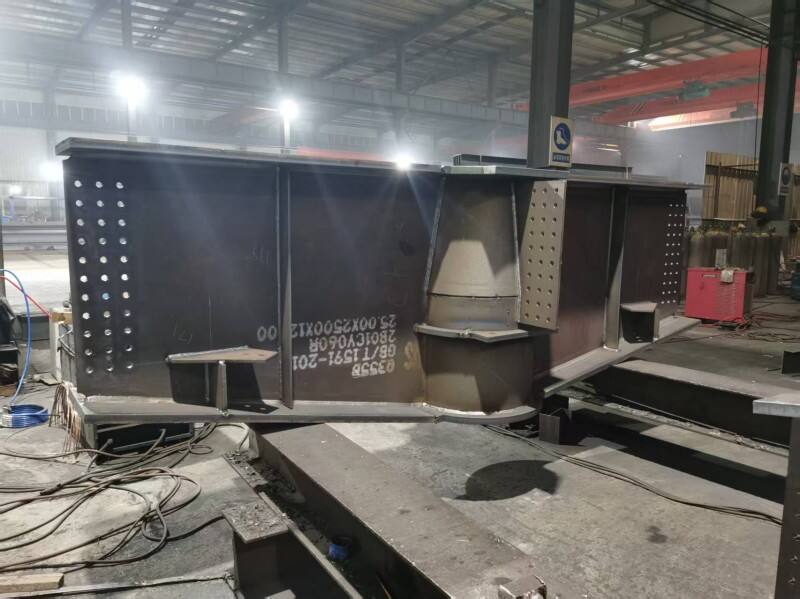
Design Flexibility: Long Spans, Open Plans, and Spatial Innovation with Steel Structure
Engineering Freedom: How Steel Structure’s Strength-to-Weight Ratio Enables Column-Free Interiors
The amazing strength to weight ratio of steel means structures can be built thinner yet still strong enough to create vast open spaces inside buildings. Some designs now have completely column free interiors stretching well over 200 feet across. This kind of flexibility is changing how we build commercial and industrial spaces. Open floor plans become possible that can easily change as business needs shift. The buildings also gain those tall ceilings needed for today's complex HVAC systems. Plus foundations end up smaller and cheaper than traditional construction methods. Steel's ability to bend without breaking makes it perform reliably even during earthquakes and other sudden stresses. Most importantly, these buildings maintain their shape and integrity throughout many years of use without significant degradation.
Case Study: Guggenheim Museum Bilbao — Fluid Forms Realized Through Adaptive Steel Structure
The building's titanium covered, doubly curved outer shell required something special when it came to structural support. The team had to figure out how to handle both the exact geometry needed and distribute loads properly across the whole structure. What they came up with included specially made steel components positioned along those weird diagonal lines, connection points designed to handle off-center stresses, plus expansion joints carefully located throughout to deal with temperature changes. In the end, what stood there was not just solid from a structural standpoint but also looked amazing, meeting all those tight tolerance requirements for how much things could bend or twist. And this shows that steel isn't just functional material anymore. It actually makes possible those wild architectural ideas we see today while still keeping everything looking good and working right.
Architectural Expression: Steel Structure as Aesthetic and Structural Language
From Exposed Framing to Intentional Expressionism: Steel Structure in Contemporary Facades and Interiors
Steel started out as hidden support but now stands front and center as a major design feature. The way it balances strength against weight lets architects create spaces without columns and build all sorts of interesting shapes from flowing curves to bold angles. Light plays tricks on steel surfaces during different times of day, casting shadows that change how we see the space around us. Exposed steel works great when combined with materials like glass, wood, or concrete. It gives buildings that raw industrial look while still feeling stylish and contemporary. Studies indicate that when buildings show their structural bones clearly instead of hiding them away, people tend to value those structures about 15% higher. Seems folks today really appreciate seeing the engineering behind the beauty and understanding what makes buildings stand tall.
Balancing Form and Function: Addressing Thermal Bridging in Exposed Steel Structure Designs
When steel framing is exposed, there's a real risk of thermal bridging which can lead to significant heat loss, maybe around 20 to 30 percent if nothing gets done about it. To tackle this problem, architects typically incorporate thermal breaks these are basically non conductive materials placed between the steel and whatever cladding material they're using. They also rely on good quality insulation wraps and coatings that don't conduct heat so easily. The great thing about these approaches is they let buildings keep looking cool with their exposed steel elements while actually making the building envelope perform better. Some projects have seen heating energy consumption drop by nearly a quarter when these measures get properly implemented. Getting ahead of these thermal issues means designers can work with steel in ways that look amazing and function sustainably at the same time meeting tough green building requirements without having to sacrifice how the space looks.
Scalable Adaptability: Steel Structure Across Building Types and Construction Methods
High-Rise to Housing: Why Steel Structure Dominates Skyscrapers and Is Accelerating in Prefab Residential Projects
The ability of steel to scale up or down is why it shows up everywhere from skyscrapers that touch the clouds to small apartments on street level. When we build tall buildings, steel handles both the weight pressing down and those strong sideways winds better than either concrete blocks or brick walls ever could. What makes steel so great for big projects also works wonders for smaller homes these days. Factory made steel frames let builders put things together with pinpoint accuracy at construction sites. Labor costs drop around 30 percent compared to working with wood frames traditionally used in houses. Plus, steel structures can be changed later on without tearing everything apart. Walls can move positions, rooms can grow bigger, whole parts of buildings get new purposes as needs change over time. Less demolition means less trash when buildings need updating or getting second lives somewhere else entirely. This kind of flexibility helps cities become smarter about how they use resources while keeping spaces functional for generations to come.
Sustainable Performance: Steel Structure’s Role in Green Building and Circular Design
Recyclability, Embodied Carbon Reduction, and LEED Integration Enabled by Modern Steel Structure Systems
When it comes to green building materials, structural steel stands out because it can be recycled again and again without losing any quality. Around 90 percent of used steel gets picked up and put back into circulation. Recent improvements in how we make steel using electric arc furnaces have cut down on carbon emissions significantly. These furnaces run mostly on scrap metal now, and as more renewable energy powers them, the environmental footprint keeps getting smaller. Steel buildings often score well in LEED evaluations since they meet requirements for both life cycle impact reduction and recycled content standards, which typically need at least 25% recycled material. What makes steel really special though is its ability to keep going through multiple lifetimes. This means fewer raw materials need to be mined, less strain on natural resources, and better overall sustainability throughout a building's entire existence. For architects looking ahead, choosing steel isn't just smart today but sets the stage for smarter construction practices tomorrow.
FAQ
What is the strength-to-weight ratio of steel structures?
The strength-to-weight ratio of steel allows for thinner structures that can still maintain vast open spaces inside buildings, enabling column-free interiors and flexible open floor plans.
How do steel structures handle temperature changes?
Steel structures incorporate specially made components and expansion joints to deal with temperature changes, maintaining structural integrity and achieving tight tolerance requirements.
What are thermal breaks in steel structures?
Thermal breaks are non-conductive materials placed between steel frames and cladding materials to prevent thermal bridging and reduce heat loss.
Why is steel favored in skyscraper construction?
Steel's ability to handle both vertical loads and lateral winds makes it ideally suited for the construction of skyscrapers and other tall structures.
How does steel contribute to green building initiatives?
Steel is highly recyclable, significantly reducing the environmental footprint, and often leads to buildings scoring well in LEED evaluations.
Table of Contents
- Design Flexibility: Long Spans, Open Plans, and Spatial Innovation with Steel Structure
- Architectural Expression: Steel Structure as Aesthetic and Structural Language
- Scalable Adaptability: Steel Structure Across Building Types and Construction Methods
- Sustainable Performance: Steel Structure’s Role in Green Building and Circular Design
- FAQ