 EN
EN
Why Steel Structure Delivers Faster Project Completion
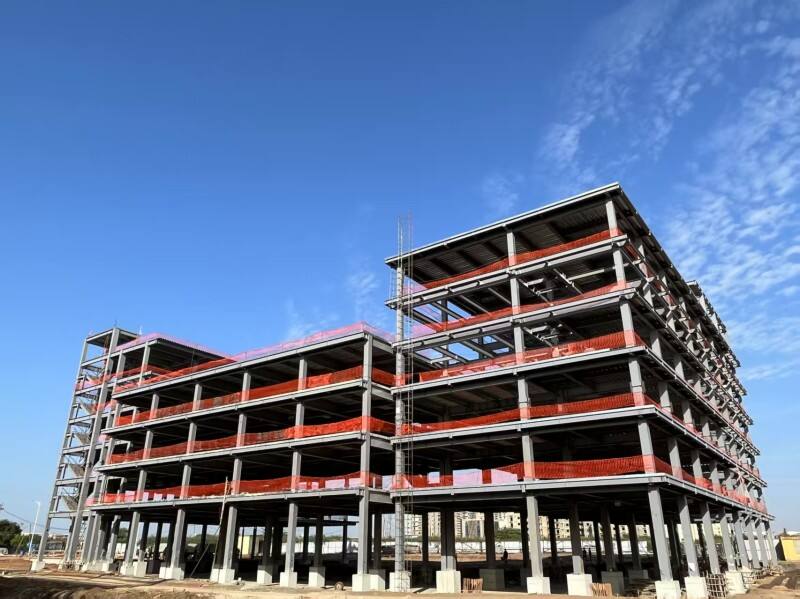
Steel structures really speed up construction projects thanks to their efficient off site fabrication and precise engineering techniques. Beams, columns, trusses these main parts get made in factories where conditions are controlled, so they match specifications exactly. That means far fewer changes needed once workers arrive at the actual building site. We're talking about cutting down total construction time by somewhere between 30 to 50 percent when compared with old school concrete or wood methods because putting everything together basically becomes just bolting pieces together. Concrete takes forever to cure properly depending on what kind of weather we're dealing with, but steel can go up reliably no matter what season it is or how bad the climate gets, which saves everyone from those frustrating weather related delays. Since there's less need for onsite labor, costs drop and schedules shrink even more. Buildings open sooner and investors see returns faster, something that matters a lot for industries where timing is everything such as logistics hubs, manufacturing plants, and data centers. Getting things built quicker also means saving money on financing and staying ahead of competition in markets that change fast all the time.
Prefabrication and Off-Site Fabrication: Core Drivers of Steel Structure Speed
Precision Manufacturing Reduces On-Site Assembly Time
Steel parts made in factories reach almost perfect precision thanks to computer controlled machines and detailed digital designs. With pre-drilled holes for connections, consistent measurements across all pieces, and built-in metal inserts, these components snap together quickly without mistakes during installation. This cuts down the time workers spend at construction sites by roughly half in many cases. When engineers use virtual models of buildings (called digital twins) along with building information modeling software, everything fits together when it arrives on site. Most of the time there's no need to modify anything once it gets there. Inside factory walls, steel stays dry and protected from temperature swings that often warp materials made outdoors. According to various studies, projects using factory made steel run into about 40 percent fewer delays caused by last minute changes needed at the job site. Plus, while steel is being manufactured back at the plant, crews can already start working on foundations, which speeds things up considerably for everyone involved.
Labor Efficiency and Weather-Resilient Scheduling with Steel Structure
Moving fabrication work offsite takes care of around 80% of those really hands-on tasks that would otherwise happen right at the construction site. This setup protects workers from dealing with bad weather conditions like rain, extreme heat, freezing temperatures, or strong winds. When we look at what happens on location, crew sizes drop somewhere between 20 to 30 percent. That means fewer people to coordinate, shorter time renting expensive equipment, and naturally less risk when it comes to workplace safety issues. Steel parts come pre-made and all set for installation, so there's no waiting around for concrete to cure or going through tedious formwork processes that depend heavily on good weather. Projects can keep moving forward throughout the entire year, even during harsh northern winters or in areas where monsoons are common. Construction timelines get cut down significantly too, sometimes saving several weeks or even months overall. Plus, having a smaller physical presence at the site makes things much easier logistically speaking. Traffic congestion gets reduced, and cities with tight space limitations find it simpler to schedule and manage these operations without causing major disruptions.
Mitigating Steel Structure Timeline Risks: Fabrication, Coordination, and Supply Chain
Avoiding Drawing-Driven Delays Through Early Contractor Involvement
Getting steel fabricators and erectors involved right from the schematic stage or during design development rather than waiting until bidding can save money on redesigns and prevent those frustrating shop drawing rejections later on. When these experts get their hands on the plans early, they spot problems that nobody else would think about. Like when mechanical, electrical, and plumbing systems run into structural components, or when anchor bolts don't line up properly with foundations. Sometimes even basic things like whether cranes can actually access certain areas become apparent too late. The Construction Institute reported in 2023 that teams working together this way cut down fabrication mistakes by around 30%, which means no more wasted time fixing things downstream. Plus, it helps match up when materials need to be ordered with what's actually in the designs. Getting all those specs for materials, grades of steel, and how connections should look sorted out before finalizing shop drawings makes everyone's job easier in the long run.
Strategic Sourcing and Lead-Time Management for Steel Structure Components
The steel construction business runs into pretty much the same supply chain headaches time after time, particularly when dealing with stuff that takes forever to get, like those custom trusses that need 12 to 16 weeks lead time or those fancy high strength bolts nobody else seems to carry. Smart project managers start thinking about this way back during the initial design phase. They'll often go with two different suppliers for key components, lock down their material orders from mills months ahead of schedule, and keep extra stock on hand for standard connectors just in case. This helps avoid those dreaded work stoppages on site. Tracking shipments through IoT devices gives everyone a live view of where things actually are, instead of guessing games. And having clear written procedures for the whole supply chain operation matters too - things like shared progress boards and defined steps for handling problems before they become disasters. According to a recent study in Construction Economics Quarterly, projects that implement all these strategies tend to wrap up about 22 percent quicker than ones that wait until there's a problem before doing anything about it.
FAQ
What makes steel structures faster to construct?
Steel structures are faster to construct due to off-site prefabrication, precise engineering, and fewer weather-related delays.
How does steel prefabrication benefit construction timelines?
Steel prefabrication allows for precise manufacturing which reduces on-site assembly time and minimizes errors, expediting the entire construction process.
Why is weather less of an issue with steel construction?
Steel structures can be constructed regardless of weather conditions, thus eliminating weather-related delays that often impact other materials like concrete.