 EN
EN

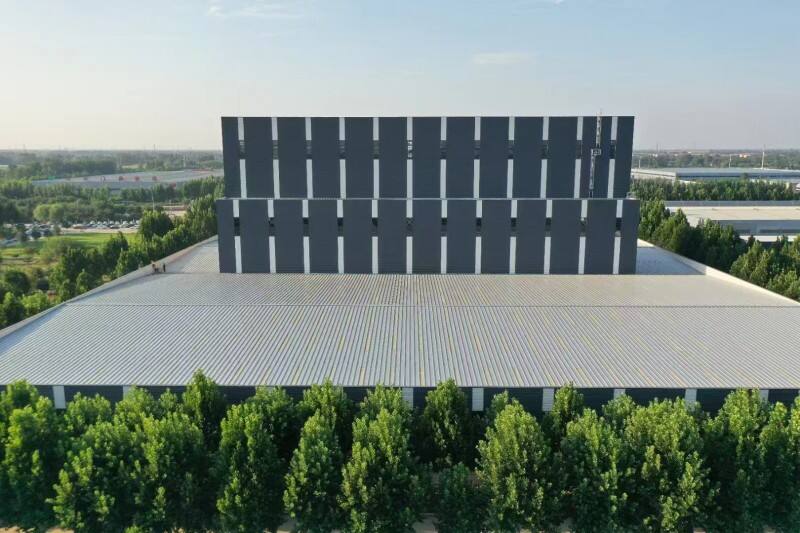
Why Coastal Environments Accelerate Steel Structure Corrosion
The Corrosive Triad: Salt Spray, Chloride Ions, and High Humidity
Steel structures along coastlines face an exceptionally harsh environment due to several interacting elements working against them. When saltwater mist settles on metal surfaces, it leaves behind chloride ions that work their way into protective coatings and mess with the steel's natural protective layer. Constant humidity keeps moisture clinging to these surfaces all the time, creating conditions where chemical reactions happen nonstop and speed up the rusting process significantly. Together, these factors can make steel corrode at speeds around tenfold compared to what we see inland, particularly bad in areas regularly splashed by waves where nothing ever really dries out completely. Without those regular drying periods, chloride buildup just keeps growing until it starts causing tiny pits in the metal surface. These pits weaken the whole structure over time, sometimes leading to serious problems much sooner than expected - maybe even within a few years instead of the usual couple of decades.
ISO 12944 Corrosivity Categories C4–CX: Assessing Risk for Steel Structures
The ISO 12944 standard provides a critical framework for evaluating corrosion risks to steel structures in marine settings. It classifies environments from C4 (high-salinity coastal areas) to CX (extreme offshore conditions), based on measurable factors:
- Annual chloride deposition (C4: 300–1500 mg/m²/day; CX: >1500 mg/m²/day)
- Relative humidity thresholds (>80% for CX)
- Temperature fluctuations
This categorization directly informs protection strategies—C4 environments require robust coating systems like epoxy-zinc hybrids, while CX demands specialized solutions such as thermally sprayed aluminum with sealants. By aligning material specifications with these categories, engineers prevent premature failure and optimize lifecycle costs for coastal infrastructure.
Corrosion-Resistant Material Selection for Steel Structures
Stainless Steels and Duplex Alloys: Optimal Grades for Coastal Steel Structures
Choosing the right materials matters a lot when building steel structures near coastlines because salty air speeds up rusting processes. Stainless steels, especially those containing at least 10.5% chromium, create their own protective oxide layer that basically repairs itself and stops rust from forming. When dealing with really harsh marine conditions, duplex alloys stand out as they mix both austenitic and ferritic properties. These special steels deliver great strength while resisting problems like pitting and stress corrosion cracking much better than regular options. Tests show these alloys can handle chloride levels about five times what normal carbon steels manage before showing signs of damage, which makes them worth considering for long term durability in saltwater environments.
Key advantages include:
- Extended service life: Duplex variants maintain integrity beyond 25 years in CX-classified marine zones
- Stress corrosion resistance: Critical for load-bearing components in offshore platforms
- Reduced maintenance: Eliminate frequent recoating cycles required for protected carbon steel
Sure, the upfront expenses might seem steep at first glance, but when we look at the big picture over many years, studies indicate around 40% savings simply because there's no need for constant replacement work. Finding the right material grade means striking a balance between what the environment throws at it and what the structure needs to withstand mechanically. Lean duplex options work pretty well in areas that aren't too harsh (what they call C4 environments), whereas super duplex materials stand up better where saltwater regularly splashes onto surfaces (those CX zones). What kind of material gets chosen makes all the difference in how long structures last before they start showing signs of wear from being near the coast.
High-Performance Protective Coating Systems for Steel Structures
Hot-Dip Galvanizing vs. Thermally Sprayed Zinc/Aluminum: Longevity in Marine Exposure
Steel structures along coastlines need special protection from salt air and constant moisture exposure. The two main options for this are hot dip galvanizing (HDG) and thermal spray zinc aluminum (TSZA) coatings. With HDG, steel gets submerged into molten zinc which bonds at the molecular level, giving it around 30 to 50 years of life in harsh coastal settings according to industry standards. For TSZA, technicians spray a fine mix of zinc and aluminum onto surfaces, creating what's basically a protective skin that sacrifices itself before the underlying metal does. Lab tests have shown these coatings can last between 40 and 60 years even in the toughest offshore environments classified under ISO 12944 CX standards. Many marine construction projects now specify one or both of these methods depending on budget constraints and expected service life requirements.
The table below compares key attributes:
| Attribute | Hot-Dip Galvanizing | Thermally Sprayed Zn/Al |
|---|---|---|
| Application Method | Immersion bath | Spray application |
| Typical Lifespan* | 30–50 years | 40–60 years |
| *Based on ISO 12944 CX marine exposure data |
Multi-Layer Hybrid Coatings and Powder Coating: Enhancing Barrier Protection
Multi-layer hybrid systems combine complementary protection mechanisms:
- Zinc-rich primers provide cathodic protection
- Epoxy intermediates deliver chemical resistance and adhesion
- Polyurethane topcoats resist UV degradation and abrasion
The multi-layer strategy actually lasts much longer than just one coat because it builds multiple defenses against chloride getting through. If done right from start to finish, these coating systems can protect coastal steel structures for well over two decades according to those long running tests we've seen out there (like the study by Funke and others published in Progress in Organic Coatings back in 2015). Powder coatings work differently too since they get sprayed on using static electricity then baked until they form smooth, bubble free layers across surfaces. What makes them stand out? They stick really well to whatever they're applied on, don't release any solvents during application, and create coatings that are all about the same thickness throughout. And let's not forget how tough they remain even when exposed to constant moisture and salty air, which is why many engineers now see them as both good for the planet and smart engineering choices for parts near the coast that aren't constantly underwater.
Design Strategies That Extend the Service Life of Steel Structures
Crevices, Drainage, and Ventilation: Proactive Detailing Against Trapped Moisture
When moisture gets trapped, it really speeds up corrosion problems in steel structures along coastlines because it creates those little electrochemical cells where salt builds up. Welded joints instead of bolts help eliminate those pesky crevices where water just sits and collects out of sight. Good drainage planning matters a lot too. Slopes should be at least three degrees and having scuppers placed strategically at low spots helps get rid of rainwater quickly before salt can work its way into protective coatings. For areas that are enclosed, proper ventilation makes all the difference. Systems that cycle air around fifteen times an hour cut down on humidity issues pretty effectively. And don't forget about corrosion resistant grates which let air move across surfaces naturally. All these details combined stop those damp, salty microclimates from forming where corrosion happens anywhere from eight to ten times faster compared to surfaces that stay dry and ventilated.
FAQ
What causes steel corrosion in coastal environments?
Corrosion in coastal environments is primarily caused by the presence of salt spray, chloride ions, and high humidity. These elements accelerate the rusting process significantly compared to inland areas.
What is ISO 12944 and how does it relate to steel structures?
ISO 12944 is a standard that provides a framework for evaluating corrosion risks in steel structures, especially in marine settings. It classifies environments and informs protection strategies to optimize the lifecycle of coastal infrastructure.
Why are duplex alloys used in coastal steel structures?
Duplex alloys are preferred for their superior ability to resist corrosion and maintain structural integrity in harsh marine conditions. They are particularly effective against pitting and stress corrosion.
How long do protective coatings on steel structures last in marine environments?
Protective coatings like hot-dip galvanizing and thermally sprayed zinc/aluminum can last between 30 to 60 years, depending on the exposure levels and specific conditions of the marine environment.
What design strategies help extend the lifespan of steel structures near the coast?
Design strategies include ensuring proper drainage, using welded joints, and providing adequate ventilation to prevent trapped moisture, all of which help mitigate corrosion.
Table of Contents
- Why Coastal Environments Accelerate Steel Structure Corrosion
- Corrosion-Resistant Material Selection for Steel Structures
- High-Performance Protective Coating Systems for Steel Structures
- Design Strategies That Extend the Service Life of Steel Structures
-
FAQ
- What causes steel corrosion in coastal environments?
- What is ISO 12944 and how does it relate to steel structures?
- Why are duplex alloys used in coastal steel structures?
- How long do protective coatings on steel structures last in marine environments?
- What design strategies help extend the lifespan of steel structures near the coast?