 EN
EN

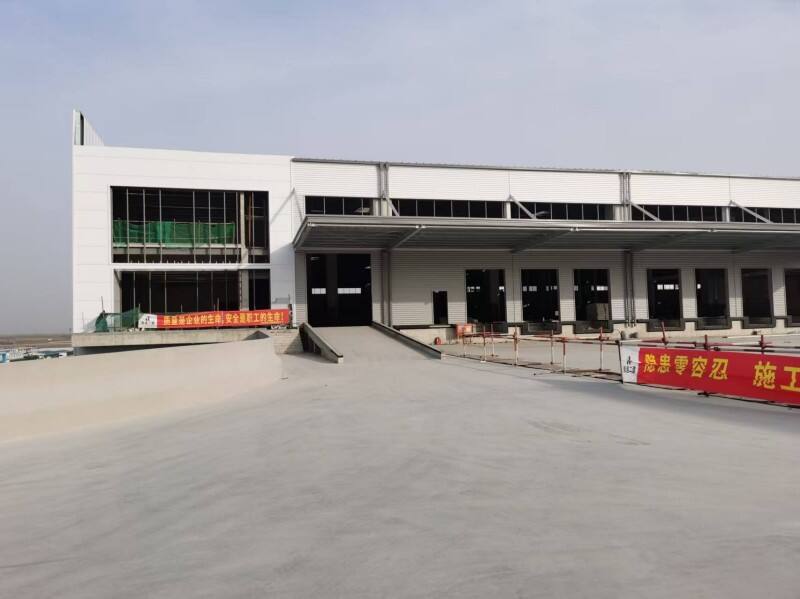
Fundamental Wind Load Principles for Steel Structures
Wind Pressure and Suction Distribution on Steel Building Envelopes
When wind hits steel buildings, it creates different pressure areas all over the structure. The side facing the wind gets pushed against with positive pressure, while the opposite side experiences what engineers call suction effects on walls, roofs, and especially sharp corners. Sometimes these forces get really intense, going above 60 pounds per square foot during big storms according to ASCE 7-22 standards. How a building looks matters a lot for how wind behaves around it. Round or curved surfaces actually cut down wind resistance by about 30% compared to flat walls. But when buildings have odd shapes or angles, they tend to create those annoying little whirlpools of air called vortices in specific spots. Good steel design takes all this into account by shaping parts of the building to work with the wind rather than fight against it, plus adding extra strength where needed most, typically at those vulnerable corner points where suction is strongest. Most modern projects now rely heavily on computer simulations known as CFD modeling to map out these complicated pressure patterns before construction even starts, which helps engineers make smarter decisions about where to put reinforcements and how to shape different components for better performance.
ASCE 7-16 Wind Load Provisions and Importance Factors for Critical Steel Structures
ASCE 7-16 establishes mandatory wind load calculation methods, integrating location-specific wind speed maps and 3D directionality factors. A pivotal feature is the importance factor (Iw), which raises design loads for essential facilities—including hospitals and emergency centers—by 15–40% based on risk category.
| Design Parameter | Standard Structure | Critical Structure (Iw≥1.15) |
|---|---|---|
| Basic Wind Speed | Varies by zone | +10–15 mph above regional baseline |
| Safety Factor | 1.0 | 1.15 minimum |
| Connection Robustness | Standard | Redundant load paths required |
Compliance demands enhanced connection detailing, increased material thickness in tension zones, and independent peer review. The standard’s velocity pressure calculations explicitly account for both horizontal and vertical wind components—ensuring comprehensive resistance to extreme wind events.
Load Path Integrity and Connection Design in Steel Framing
Ensuring Continuous Load Paths from Cladding to Foundation in High-Wind Steel Structures
When dealing with steel structures in areas prone to high winds, it's absolutely essential that wind forces move properly from the outer cladding all the way down through the framing system into the foundation itself. If there are any breaks or gaps in this path, stress builds up at those points which can really compromise structural integrity during severe weather events. Research conducted back in 2022 by the University of Florida showed something pretty alarming: buildings where these load paths were interrupted experienced around 47% more joint failures specifically during Category 3 hurricanes. For those critical connection points like moment resisting joints and shear transfer locations, both actual physical tests and computer simulations are necessary to ensure they work as intended. The latest FEMA guidelines from 2023 actually highlight the importance of having redundant load paths for important buildings. These integrated steel framing systems tend to perform better than traditional approaches because they spread out the stresses across several different structural components rather than concentrating them in one spot. And while strain gauges help confirm how well these systems actually hold up against real world conditions, many engineers still find implementing proper load path design remains challenging in practice.
Addressing the Cold-Formed Steel Connection Gap: Why Frames Outperform Connections
The connections in cold formed steel (CFS) structures tend to be weak spots because of their thin materials and limited fastening options. According to research from NIST in 2024, around two thirds of all CFS failures during repeated wind stress actually start at those screws and bolts we use for connections. When looking at alternatives, monolithic steel frames either welded together or made from hot rolled steel work differently. These types of frames don't rely on separate connections between parts. Instead they have this whole structural integrity thing going on where loads get spread out naturally throughout the entire frame. This means the steel maintains its strength characteristics even in areas where there's lots of bending forces, such as where beams meet columns. The way these frames behave as one unit makes them much safer against structural failure than traditional methods that depend on individual connection points.
Bracing Systems and Shear Resistance for Wind-Resistant Steel Structures
Comparative Performance of Strap Bracing, K-Bracing, and Steel Shear Walls under Cyclic Wind Loading
Steel structures rely on lateral-force-resisting systems engineered for the repetitive, multidirectional nature of wind loading—particularly in hurricane-prone regions. Three principal systems offer distinct trade-offs:
- Strap bracing delivers cost-effective tension-only shear resistance but exhibits asymmetric behavior, limiting reliability under complex gust profiles
- K-bracing provides higher stiffness via diagonals converging at columns, yet introduces intricate force paths requiring meticulous connection design
- Steel shear walls, composed of continuous steel plates, demonstrate 40% greater energy dissipation than braced frames in wind tunnel testing
Steel structures can handle winds over 150 mph when we combine them with moment-resisting frames and good bracing systems. What makes this possible is the ductile nature of structural steel itself. It bends and flexes under pressure instead of snapping suddenly, which helps absorb all that wind force without breaking apart completely. This kind of flexibility matters a lot during long periods of strong winds. For smaller buildings, strap bracing works fine but taller structures need something better. Steel shear walls are actually the best choice for multi story buildings in areas prone to high winds. They spread out the stresses evenly across the whole building and don't depend so much on individual connection points between components.
Code Compliance and Integrated Standards for Wind-Resistant Steel Structure Design
Designing buildings to withstand strong winds really depends on how well different building codes and material standards work together. The International Building Code references ASCE 7 when setting basic wind load requirements. Meanwhile, AISC 341-22 has specific details about wind resistance that were actually created for earthquake resistant structures. Makes sense since both situations need flexible designs that can handle unexpected forces through multiple support points. Local regulations often go even further. Take Florida's High Velocity Hurricane Zone for example. There, building connections must be at least 25% stronger than what the standard IBC would require according to recent structural tests from 2023. All these overlapping rules exist because engineers have identified several key weaknesses in building systems that need addressing through comprehensive code requirements.
- Verified continuity of the load path from roof to foundation
- Connection capacity exceeding calculated wind-uplift forces by 40–60%
- Redundant bracing systems validated through physical testing
Looking back at wind damage incidents from 2022 shows something pretty alarming: around three out of four problems started right at connections that didn't meet building codes. This points to serious issues when different parts of construction regulations aren't applied consistently across projects. The good news is modern building information modeling systems now include automatic compliance checks built into their workflows. These tools let engineers verify designs against over 17 international steel standards on the spot, including important ones like ASCE 7-22 for wind loads, AISC 360-22 for structural steel design, and ASTM A653 for sheet steel specifications. What makes this approach so valuable is that it eliminates the need for separate reference documents while still ensuring all critical requirements are met during the design phase itself.
FAQ
What are some key wind load principles to consider in steel structure design?
Key principles include understanding wind pressure distribution, incorporating the ASCE 7-16 wind load provisions, and ensuring strong connection designs to maintain load path integrity.
How do round or curved surfaces benefit steel buildings in terms of wind resistance?
Round or curved surfaces reduce wind resistance by about 30% compared to flat walls, helping the structure handle wind pressure more effectively.
Why are the importance factors significant in ASCE 7-16 wind load provisions?
Importance factors increase design loads by 15-40% for essential facilities ensuring their stability and safety during extreme wind events.
How does steel framing ensure better structural integrity against high winds?
Through continuous load paths and redundant designs, steel framing allows wind forces to distribute from cladding to foundation, reducing stress at any single point.
Table of Contents
- Fundamental Wind Load Principles for Steel Structures
- Load Path Integrity and Connection Design in Steel Framing
- Bracing Systems and Shear Resistance for Wind-Resistant Steel Structures
- Code Compliance and Integrated Standards for Wind-Resistant Steel Structure Design
-
FAQ
- What are some key wind load principles to consider in steel structure design?
- How do round or curved surfaces benefit steel buildings in terms of wind resistance?
- Why are the importance factors significant in ASCE 7-16 wind load provisions?
- How does steel framing ensure better structural integrity against high winds?