 EN
EN

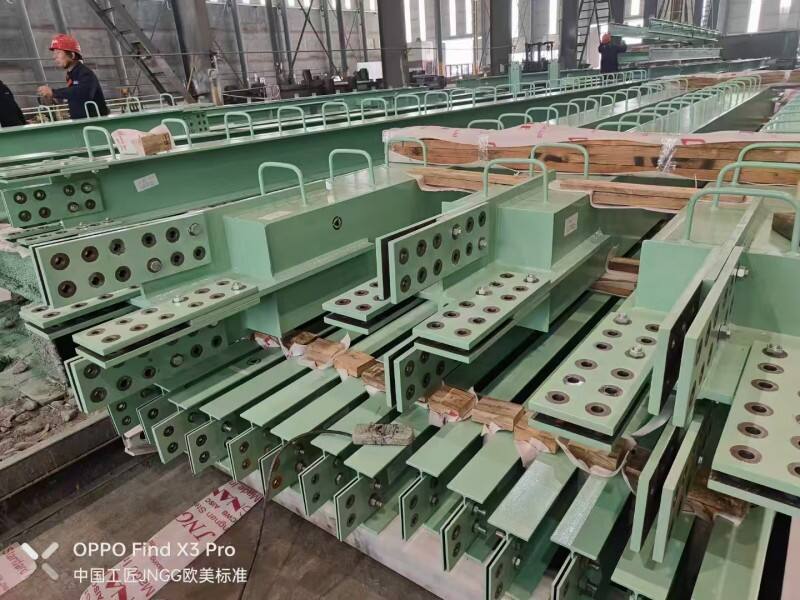
Inherent Material Resistance to Environmental and Biological Degradation
Immunity to rot, mold, termites, and pests—key durability advantage over wood and unreinforced concrete
The fact that steel is made from inorganic materials means it doesn't break down naturally like wood does. Wood needs all sorts of chemicals sprayed on it just to stand up against bugs, rot, and mold problems. That's why steel stands up so well in places where humidity runs high or where pests are common. Concrete shares some similarities since it's not organic either, but there's a catch. Because concrete has tiny holes throughout its structure, the steel bars inside can rust when exposed to moisture unless everything gets sealed properly. Steel avoids these issues entirely because it behaves predictably over time. Industry studies actually indicate that buildings using steel instead of wood typically need 30 to 50 percent less maintenance work down the road. This kind of savings adds up significantly for property owners looking at decades of operation.
Corrosion mitigation: galvanization, weathering steel (ASTM A588), and advanced protective coatings
Steel structures today resist corrosion thanks to specially designed protection systems rather than some kind of built-in immunity. Take hot dip galvanization for instance it puts on a zinc layer that acts like a shield, which can keep steel safe for about half a century or more in normal conditions. Weathering steel works differently. According to ASTM A588 standards, this type creates its own protective rust layer over time, so architects don't need to worry about repainting buildings even when they're outside. For places where things get really harsh, like near the ocean or inside factories, epoxy polyurethane hybrids come into play. These coatings form tough barriers that stop saltwater, acidic substances, and harmful sunlight from getting through. Regular check ups make all these methods last between seventy five to maybe even a hundred years. Lab tests show they perform two to three times better than regular steel without any protection at all.
Superior Performance Under Extreme Loads and Natural Hazards
Steel structures deliver unmatched resilience against extreme environmental forces through optimized material properties and engineered design principles. This robustness ensures structural integrity during seismic events, hurricanes, and heavy snow accumulation—scenarios where traditional materials often exhibit brittle failure or excessive deformation.
Seismic resilience: ductility, energy absorption, and predictable failure modes per ASCE 7-22 and FEMA P-58
Steel’s high ductility enables controlled plastic deformation during earthquakes, absorbing and dissipating kinetic energy through intentional yielding at beam-column joints. Design standards ASCE 7-22 and FEMA P-58 require redundant load paths, detailed connection detailing, and performance-based objectives that prioritize life safety and post-event functionality. Key strategies include:
- Buckling-restrained braces acting as replaceable energy-dissipating fuses
- Strong-column weak-beam configurations that localize damage and prevent global collapse
- Slip-critical bolted connections designed to yield before fracturing
This systematic approach reduces residual damage by up to 40% versus rigid-frame systems, preserving egress routes and structural compartmentalization during peak ground acceleration.
Wind and snow load efficiency: high strength-to-weight ratio enabling stable, lightweight steel structure framing
Steel’s exceptional strength-to-weight ratio—approximately 400 MPa tensile strength at a density of 7,850 kg/m³—enables slender, lightweight framing that resists lateral and vertical loads more efficiently than concrete or timber. For wind loads:
- Lower mass reduces inertial forces during gusts
- Aerodynamic shaping minimizes vortex shedding
- Rigid moment frames limit inter-story drift to under 0.002H
For snow accumulation:
| Material | Allowable Snow Load (kPa) | Deflection Limit (L/360) |
|---|---|---|
| Structural Steel | 4.8 | 50m spans achievable |
| Reinforced Concrete | 3.2 | 30m spans typical |
| Heavy Timber | 2.4 | 15m spans maximum |
This efficiency supports clear-span roof systems up to 60 m without intermediate supports—eliminating snow-drift traps while maintaining minimum roof slopes of 15° for passive shedding. Crucially, steel retains ductility and fracture toughness down to –40°C, avoiding brittle behavior during extreme cold events.
Fire Safety and Thermal Performance of Modern Steel Structure Systems
Non-combustibility vs. temperature sensitivity: addressing strength loss above 550°C with intumescent coatings and fire-rated assemblies
Steel is non-combustible and contributes zero fuel to fires—a critical advantage over timber and some composites. However, its mechanical properties degrade significantly above 550°C, where yield strength drops by roughly 50%, per fire engineering research (2023). To manage this, modern designs rely on engineered thermal protection:
- Intumescent coatings, which expand when heated to form an insulating char layer, delaying heat transfer and preserving structural capacity
- Fire-rated assemblies, such as gypsum board enclosures, mineral wool wraps, or concrete encasement, that maintain compartmentalization and thermal separation
When applied and detailed per EN 1993-1-2 or UL 263 standards, these systems can extend structural integrity by 60–120 minutes in standard fire exposure tests—providing time for occupant evacuation and firefighter response without sacrificing architectural flexibility.
Design-Driven Longevity: Redundancy, Drainage, and Fatigue Mitigation in Steel Structure
Steel structures today last longer not because we've perfected materials, but thanks to smart engineering decisions based on building codes. Think about redundant load paths. These include things like extra bolt connections, backup bracing systems, or running multiple truss lines side by side. If any single component starts to fail, the whole system stays standing instead of collapsing suddenly. Water management matters too. Good designs incorporate slopes that direct rain away, hidden gutters that aren't obvious at first glance, plus fasteners that resist rusting out over time. Moisture buildup remains the number one enemy of building envelopes and actually causes more than 40 percent of buildings to fail before their expected lifespan. Engineers tackle this problem head on when dealing with repeated loads from sources like wind blowing against towers, machines operating inside factories, or vehicles passing over bridges. They use computer modeling techniques along with fracture analysis methods to tweak how joints are shaped, how welds are made, and where stresses naturally concentrate. Start applying these concepts right from the planning stages and keep them throughout construction, and there's about a 60 percent drop in early failures. Buildings can then reach those impressive 75 year marks that specs promise. Maintenance becomes easier too with special access points built into the structure so inspectors can check connections without tearing things apart. All this makes steel a solid long term investment for infrastructure projects where costs need to stay reasonable across decades of operation.
FAQ
Why is steel more resistant to environmental degradation than wood or concrete?
Steel is inorganic and does not break down naturally like wood. It does not require chemicals for protection against insects, rot, or mold. Concrete, while also inorganic, can have steel bars inside that rust if not properly sealed, but steel itself does not have this issue.
How does steel mitigate corrosion?
Steel structures use protective systems like galvanization, weathering steel, and advanced coatings. These methods add layers of protection that can last decades, preventing corrosion from elements such as saltwater and acidic substances.
How does steel perform under extreme loads and natural hazards?
Steel offers excellent resilience due to its ductility, high strength-to-weight ratio, and engineered design principles. It withstands extreme forces such as earthquakes, wind, and snow better than traditional materials.
What makes steel a safe choice for fire-prone areas?
Steel is non-combustible and doesn’t contribute fuel to fires. Intumescent coatings and fire-rated assemblies are used to preserve structural integrity even when temperatures rise significantly.
How do engineering designs enhance the longevity of steel structures?
Engineering decisions like redundant load paths and efficient water drainage help prevent early failures. These designs ensure that steel structures last for decades with minimal maintenance.