 EN
EN

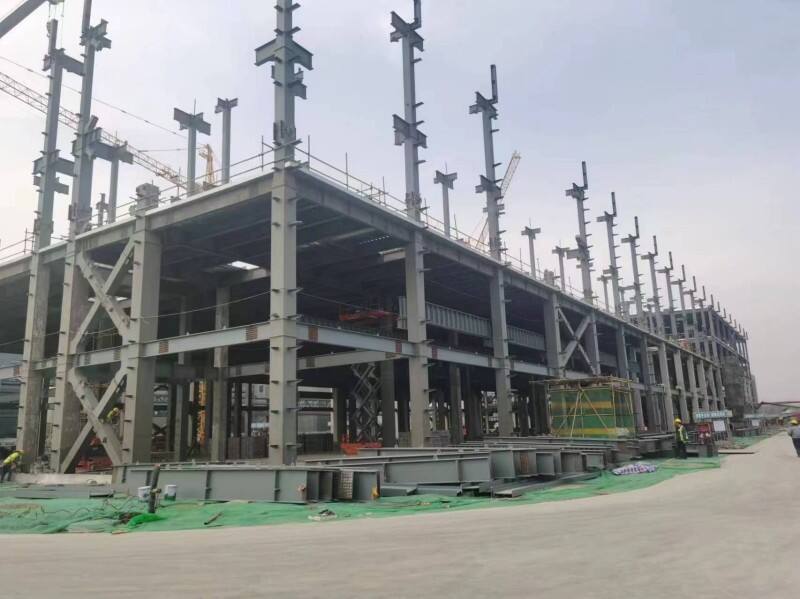
How Steel's Strength-to-Weight Ratio Enables Bold Architectural Innovation
Ultra-High-Strength Steel and Structural Efficiency
Steel grades today that reach over 550 MPa in tensile strength really boost how efficiently structures perform. These advanced alloys let buildings carry the same weight using around 30% less material compared to regular steel. That means thinner support columns, lighter building exteriors, and foundations that don't need to be as robust. According to the Global Construction Review from last year, this can slash overall construction costs between 15 and 25 percent. What makes these steels so valuable is their amazing strength relative to their weight. Architects love working with them because they create more usable space inside buildings without compromising on earthquake resistance, which matters a lot in places prone to seismic activity. Plus, since less material is needed, projects tend to move faster through construction phases. And there's another benefit worth mentioning transport related emissions drop significantly when prefabricated parts come pre-assembled and just need quick installation on site.
Cantilevers, Diagrids, and Free-Form Envelopes in Modern Steel Structure Projects
The fact that steel can handle both tension and compression gives architects a lot more creative freedom than traditional materials allow. Take diagrid frameworks for example, like those used in London's Leadenhall Building. These structures spread out sideways forces using triangular shapes, which means no need for all those interior support columns anymore. Some buildings now have open spaces between columns that stretch well over 25 meters across. Steel trusses have also made it possible to build cantilevers that stick out over 60 meters from the main structure. And with computer modeling techniques, designers can create curved building exteriors that are accurate down to the millimeter. Compared to concrete, steel really shines when it comes to complicated shapes because it doesn't sacrifice practicality during construction. The dome at Louvre Abu Dhabi is a great case in point. Digital fabrication methods there cut down on site waste by something like 85%, showing just how efficient modern steel construction can be.
Case Study: Shanghai Tower’s Aerodynamic Steel Structure and 25% Wind Load Reduction
The Shanghai Tower stands at an impressive 632 meters tall and really demonstrates how well steel performs when faced with harsh weather conditions. The building's unique shape that tapers and twists as it rises is supported by a mix of steel and concrete in its core structure. According to research from CTBUH on wind engineering, this design actually cuts down wind vortex shedding by around 24% compared to standard box-shaped towers. The tower also features an outrigger truss system made from 380 MPa high strength steel that holds up against powerful typhoon winds and keeps the world's highest observation deck stable. By optimizing the building's aerodynamics, engineers managed to reduce the amount of structural steel needed by about 25%. That means roughly 25,000 metric tons less steel was used overall, which translates into avoiding approximately 58,000 tons worth of carbon dioxide emissions during production. Pretty remarkable stuff for such an ambitious skyscraper project.
Digital Workflow Integration: BIM and Parametric Design for Precision Steel Structure Fabrication
Building Information Modeling (BIM) transforms steel structure delivery through integrated digital workflows. Comprehensive 3D models enable precise coordination among architects, structural engineers, and fabricators—resolving spatial conflicts before fabrication begins and minimizing costly field rework.
From Concept to Fabrication: Algorithmic Optimization of Connections and Nodes
Modern parametric design software has changed how engineers handle complex steel connections. These programs use smart algorithms to look at where stress builds up in structures and automatically create better joint designs. The results? Steel frameworks that weigh less but stay just as strong, while cutting down those pesky calculation mistakes that used to plague designers. Some companies report around a 40% drop in errors after switching to these systems, plus faster redesign cycles when changes are needed. Once the designs are finalized, CNC machines take over, turning digital blueprints into physical parts with incredible precision down to the millimeter. This means construction sites get components that fit together almost perfectly right from the start, making assembly much smoother than traditional methods ever allowed.
Interoperability Between Grasshopper, Tekla Structures, and AI-Powered Clash Detection
When platforms such as Grasshopper for creating generative designs work smoothly with Tekla Structures for making those detailed shop drawings, that's really what makes modern steel construction workflows tick these days. The AI tools we have now can scan through all these connected models and spot where different parts might bump into each other across structural, mechanical, and electrical systems. Finding these problems while still in the design phase instead of waiting until construction starts saves everyone a lot of headaches later on. According to some industry reports, this kind of integrated approach typically reduces rework expenses somewhere around 30-35%, which is pretty significant when looking at project budgets. Plus, teams from different disciplines can actually work together in real time now, something that used to take weeks of back and forth meetings.
The shift to digitized steel fabrication elevates precision, reduces waste, and strengthens sustainability outcomes—proving that technological rigor and architectural ambition are now inseparable in high-performance construction.
Sustainable Evolution of Steel Structure Construction
Green Steel Production and Embodied Carbon Reduction
Steel construction is seeing major changes as the industry moves toward cleaner production methods. The old blast furnace approach accounts for around 7 percent of all carbon dioxide emissions worldwide, which is no small number. New tech solutions are coming online that actually work differently from traditional methods. Think hydrogen direct reduction or molten oxide electrolysis processes that swap out coal and other fossil fuels for green hydrogen or clean electricity sources. These newer approaches cut down on emissions by more than 90 percent without compromising how strong and durable the steel remains. Once these technologies get rolled out across the board, they can really make a dent in the carbon footprint of structural steel products. For anyone building something new today, this kind of innovation becomes essential if we want to hit those ambitious net zero goals both during operation and throughout the entire life cycle of buildings.
Modular Prefabrication and Smart Sensors in Next-Generation Steel Structure Systems
Moving construction work offsite into factories makes buildings greener overall. Factories cut down on site waste by around 30% while keeping quality standards tight throughout assembly. Smart sensors get built right into these modules too. Think strain detectors, corrosion watchers, and heat sensors that keep tabs on how healthy a structure remains for years after it stands up. When something starts going wrong, these systems catch problems before they become disasters and schedule repairs just in time. Pair this tech with designs that save energy and materials that can be reused later, and steel buildings become real workhorses. They last much longer than traditional methods allow, and when their time comes, everything gets recycled or disposed of properly without leaving behind environmental messes.
FAQ
What is ultra-high-strength steel?
Ultra-high-strength steel is a type of steel that offers a tensile strength of over 550 MPa. It is used in construction to enable thinner, lighter structures while maintaining high performance and resistance to external forces.
How does steel contribute to sustainable construction?
Steel contributes to sustainable construction through modern production methods that reduce carbon emissions significantly. Technologies like hydrogen direct reduction and smart modular prefabrication aid in minimizing the environmental impact of steel structures.
What are diagrids and how do they benefit modern architecture?
Diagrids are a type of architectural framework that uses triangular shapes to distribute forces, eliminating the need for numerous interior support columns. This allows for larger open spaces within buildings and adds structural efficiency and flexibility.