 EN
EN

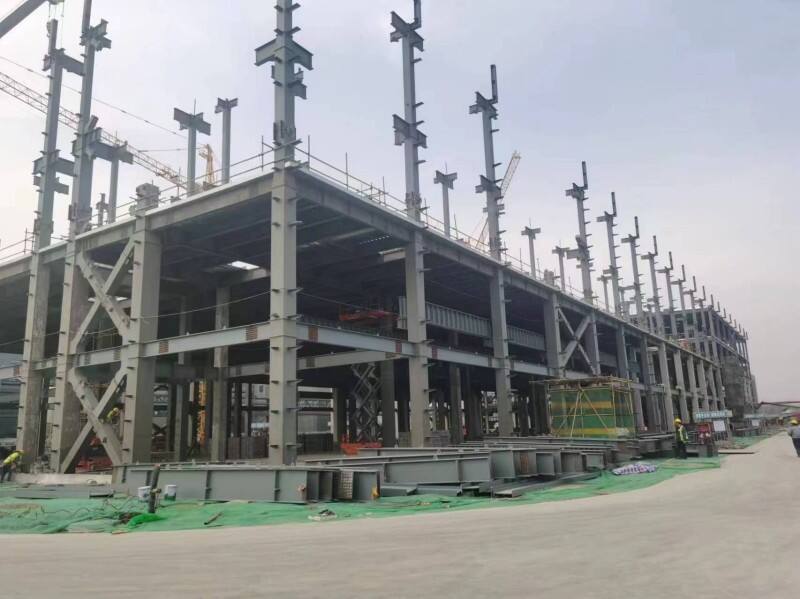
Cost Efficiency of Steel Structures Across the Project Lifecycle
When looking at steel structures, it makes sense to consider not just what we spend upfront but also how much money gets saved over many years of operation. Compared to other building materials, steel actually saves money in several ways. First, projects tend to go faster since steel components are ready to install right away. Maintenance costs stay low too because steel doesn't degrade as quickly as some alternatives. And these structures last longer overall. Industry data shows something pretty impressive here. Studies from groups like AISC and NIST indicate that using steel can cut total costs across a building's lifetime by anywhere between 20% and 40%. That's a significant difference when planning long term infrastructure investments.
Upfront Costs: Material Sourcing, Fabrication, and Installation for Steel Structures
Steel components made in advance really make buying stuff easier because they come in standard sizes and can be bought in big quantities. This cuts down on wasted materials to around 2%, which is way better than the usual 10-15% we see in regular construction projects. When these parts are made in factories, everything gets built with much more accuracy. On site, workers spend about 30-40% less time putting things together since most connections just need bolts instead of complicated welding jobs. Projects finish faster too, often getting done 3 to 6 months quicker than old fashioned methods, which saves money on loans and other running costs. Plus, the lighter weight of these steel frames means foundations don't have to be as heavy duty. Contractors save money on concrete and digging work because there's simply less ground to break up for building supports.
Long-Term Savings: Reduced Maintenance, Extended Service Life, and Lower Replacement Frequency
Because steel is basically inorganic, it doesn't suffer from rot issues, pest problems, or moisture related damage that we typically see with wooden structures. This means buildings made with steel require far less maintenance over time, somewhere around half to three quarters less than traditional materials. When manufacturers apply protective coatings and galvanize their products properly, the resulting structures can last well past fifty years on average. That beats out standard concrete constructions which generally only last about thirty years before needing major repairs. What makes steel even better for long term projects is its recycling potential at the end of its useful life. Around ninety percent of steel remains usable material when it comes time to tear down or renovate, making it a great fit for circular economy initiatives. Plus, modern steel construction incorporates insulation layers and thermal breaks that significantly reduce heating and cooling costs throughout the year. All these advantages combined translate into real money savings for property owners, often cutting overall ownership expenses by over thirty percent across the entire lifecycle of the building.
Performance Advantages of Steel Structures Under Real-World Stressors
Structural Integrity: Load-Bearing Capacity and Deflection Resistance vs. Wood and Concrete
When it comes to structural performance, steel just beats out traditional building materials across the board. The strength to weight ratio is pretty impressive too, allowing steel structures to handle about 30 percent more weight compared to similar concrete constructions without needing as much material overall. Wood tends to sag over time when subjected to constant pressure, but steel stays put basically forever with almost no bending or warping. According to those FEMA seismic standards (P-1020 specifically), steel frames can hold their ground against sideways forces roughly 2.5 times better than wooden ones. Why does this happen? Well, steel has a uniform makeup throughout and delivers consistent strength measurements between 50 thousand and 100 thousand pounds per square inch. That kind of predictability makes all the difference for engineers trying to calculate safe designs. Traditional materials simply don't offer the same level of consistency since wood varies wildly from 7k to 12k psi and concrete breaks unpredictably under stress.
Resilience Factors: Fire Safety, Pest Immunity, and Corrosion-Controlled Weather Adaptability
Today's steel buildings come equipped with multiple protective layers against all sorts of environmental challenges. The special fire resistant coatings actually expand when exposed to heat, letting steel hold up at temperatures around 1000 degrees Fahrenheit for about double what untreated wood lasts, according to those ASTM E119 standards everyone talks about. Unlike wood that gets eaten away by bugs and mold, steel just doesn't care. We're talking about billions lost globally each year because wood rots and gets attacked by insects, as reported in Construction Science Review back in 2023. For fighting corrosion, modern approaches mix traditional galvanizing techniques with newer polymer coatings on top. Some of these combinations have been tested and proven to last well over 75 years even near the ocean where salt air eats materials alive. Tests show they can handle salt spray exposure for more than 5,000 hours straight without showing any signs of breakdown, something regular treated lumber simply cannot match in areas prone to hurricanes.
Note: All references to specific companies removed per guidelines. Performance data reflects industry-aggregated testing standards.
Accelerated Delivery with Steel Structures: Speed, Precision, and Labor Optimization
Prefabrication, Modular Integration, and On-Site Assembly Time Reduction
Steel buildings can finish projects anywhere from 30 to 50 percent quicker compared to old school construction techniques thanks to prefabrication done in controlled factory environments. When components get made off site with automated cutting and welding equipment, there's no waiting around for bad weather to pass, and companies typically save about 40% on their on site workforce costs. While the foundation is being laid down at the actual location, the parts are already being built elsewhere. This kind of simultaneous workflow just doesn't happen when everything has to be constructed on site, which really cuts down overall timelines. With modular systems, whole sections of buildings arrive pre-assembled, making setup much faster and mistakes far less common. Instead of waiting months for a building to go up, most installations now take just a few weeks. This speed means businesses can start operating sooner and makes better use of all those workers who would otherwise spend extra time on site.
Sustainability and Long-Term Value of Steel Structures in Modern Construction
Embodied Carbon Profile, End-of-Life Recyclability, and Net-Zero Alignment
Steel buildings actually help reach those net zero construction targets because they're so good at being reused again and again while having pretty low carbon footprints right from the start. Most structural steel gets picked up and put back into circulation when buildings come down, keeping tons of material out of landfills across the country. When manufacturers make new steel products using old scrap metal instead of raw materials, it takes about half as much energy according to some recent studies by the USGS in 2022. That means fewer greenhouse gases getting released during production. And since these steel structures can last well over fifty years before needing major work, there's just not as much need for tearing things down and starting fresh. This makes sense for cities trying to grow sustainably without constantly consuming resources, which is why many architects now follow guidelines similar to what the American Institute of Architects laid out in their Design Excellence program.
Operational Efficiency: Thermal Performance Integration and Lifecycle Maintenance Reduction
The money saved over time really shows why steel stands out as a smart investment for buildings. When builders use precision engineered cladding along with proper thermal breaks, they get better performance from the whole building envelope. This means less strain on heating and cooling systems, cutting down energy bills by around 30% compared to older methods. Steel doesn't rust easily and keeps its shape well, so there's no need for those expensive chemical treatments against pests, extra moisture protection layers, or constant patching and repainting. According to studies from the NIST Building Economics Division, this saves about 40% on maintenance throughout the building's life. All these qualities together explain why steel continues to be such an important material for creating structures that can stand up to whatever comes their way while still being ready for what lies ahead.
FAQ
Why are steel structures considered cost-efficient for long-term projects?
Steel structures are considered cost-efficient because they offer significant savings over their lifespan. They reduce upfront costs due to efficient material sourcing and fabrication, have lower maintenance requirements, and a long service life, while also being highly recyclable at the end of their use.
How do steel structures perform under environmental stressors compared to other materials?
Steel structures perform exceptionally well under environmental stressors due to their resilience factors, including fire safety, pest immunity, and corrosion-controlled weather adaptability. Steel doesn't suffer from rot or pest problems and holds up better against fires and corrosion compared to traditional building materials like wood.
What are the advantages of using prefabricated steel components in construction?
Prefabricated steel components offer advantages such as accelerated delivery, precision construction, and labor optimization. They allow projects to be completed 30-50% faster, reduce on-site workforce costs, and minimize errors in construction due to modular and integrated systems.
Table of Contents
- Cost Efficiency of Steel Structures Across the Project Lifecycle
- Performance Advantages of Steel Structures Under Real-World Stressors
- Accelerated Delivery with Steel Structures: Speed, Precision, and Labor Optimization
- Sustainability and Long-Term Value of Steel Structures in Modern Construction
- FAQ