 EN
EN

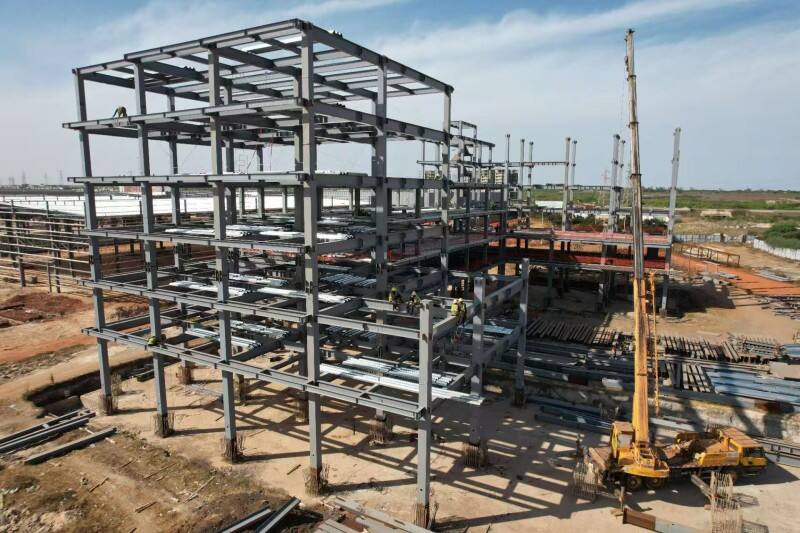
Steel Structure Buildings and the Transformation of Urban Skylines
From Industrial Frameworks to Iconic Silhouettes: Defining City Identity
Steel buildings started out as practical choices for factories and storage spaces because nobody wanted to wait weeks for construction when steel frames could go up in days. As time passed, architects began to see what steel could really do beyond just holding things together. They noticed how it allowed buildings to reach new heights without looking bulky, created slender towers that seemed to float above the ground, and enabled all sorts of creative shapes that brick and stone simply couldn't handle. Look at any major city today, whether it's New York with its iconic skyline or Shanghai where the tallest buildings touch the clouds, and what stands out? Not heavy walls or ancient stones, but those sleek steel structures that seem to defy gravity. These aren't just buildings serving a purpose; they tell stories about what a city values. A place with steel landmarks in its skyline says something about being forward thinking, tough enough to survive tough times, and confident enough to stand out among global competitors. Cities transform from mere industrial zones into recognizable symbols when their skylines feature these metal giants.
Case Studies: Eiffel Tower, Centre Pompidou, and Taipei 101 as Steel-Defined Landmarks
When the Eiffel Tower went up in 1889, it marked something new for steel construction. Instead of hiding behind walls like traditional buildings did, this iron giant stood proud with all its latticework on display. People saw right away that steel didn't have to be just functional stuff for bridges and factories. Fast forward almost 100 years to the Centre Pompidou in Paris (1977). This building flipped things completely by putting everything outside - pipes, elevators, even the guts of the building were visible. Visitors could actually see how the whole thing worked while walking through. And then there's Taipei 101 from 2004. At 508 meters tall, engineers had to get creative with steel framing and added this massive weight at the top called a tuned mass damper. It basically dances against wind forces to keep the building stable during earthquakes. Looking at these structures together shows how our relationship with steel has changed over time. What started as purely technical became transparent, practical, and symbolic all at once. Each one tells us something different about what cities can represent when built with steel.
Design Freedom Enabled by Steel Structure Buildings
Expanding Spatial Possibilities: Openness, Transparency, and Column-Free Interiors
What makes steel so special? Well, its strength compared to how much it weighs gives architects something no other material can match. Think about those big spaces where there are no columns holding things up, sometimes stretching over 100 feet across. This opens up possibilities for interior designs that just wouldn't work with traditional materials like concrete or wood. Offices can be completely open plan, museums can have these vast gallery spaces that feel endless. Steel frames also let designers create large windows without worrying about support structures getting in the way. Natural light pours into buildings while smart detailing helps keep heat loss down. When construction teams use prefabricated parts and modular systems, they save time and money on site. Less waste ends up in landfills too. For cities packed with buildings, this matters a lot. The end result? Spaces that actually make people feel good inside them. Light fills rooms, fresh air circulates better, spaces adapt as needs change, and everyone feels connected to what's happening around them. All thanks to what steel makes possible structurally speaking.
Data Insight: 73% of UNESCO-Recognized Contemporary Buildings (Post-2000) Feature Exposed Steel Structure Systems
Looking at what UNESCO has picked out as great modern architecture since around 2000 shows something interesting: about seven out of ten buildings have these visible steel frames sticking out all over them. This isn't just a passing fad either. Steel seems to fit right into what architects care about today – being honest about how things are built, making spaces that can change over time, responding to environmental concerns, and creating clean looks that stand the test of time. Take places like the Heydar Aliyev Center down in Baku or the MAXXI Museum up in Rome. These buildings use exposed steel not just for strength but almost like storytelling elements showing where weight goes, how rooms get shaped, and even hinting at green building practices because steel can be recycled so easily and made with such precision. The fact that steel keeps showing up everywhere basically means it's become essential in architecture. Not just because it's strong metal, but because it carries meaning too when left visible instead of hidden behind walls.
Aesthetic Evolution: From Brutalist Steel to Biomimetic Steel Structure Buildings
Modernist Foundations: Gropius, Le Corbusier, and Mies van der Rohe's Steel Language
The early modernists saw steel differently than just structural support. For them, it was almost like a philosophical statement. Take Walter Gropius at the Bauhaus school for instance. He used steel frames to hold up those big glass walls, creating buildings that were all about function meeting form. Le Corbusier came up with his Dom-ino system back in 1914. Instead of thick load bearing walls, he put in steel reinforced concrete frames. This allowed spaces to be completely open inside, changing how people thought about interior layouts. Then there's Mies van der Rohe who took things even further. His famous Farnsworth House from 1951 sits on just eight thin steel legs holding up a glass cube. The effect? It makes the line between inside and outside practically disappear. These architects shared something special though reduction, exactness, and being truthful about materials. Steel became their go to material for expressing modernist ideas clearly.
Contemporary Shift: Sustainability-Driven Biomimicry and Parametric Steel Expression
Steel architecture today tackles climate challenges with both smarts and style. Take the Beijing National Stadium, known as the Bird's Nest, for instance. This iconic structure shows how nature-inspired design works wonders. Its steel framework looks like woven branches, actually copying patterns found in cells and connective tissues. What this does is reduce the amount of steel needed by around 40% compared to traditional methods. Architects working with parametric software can create amazing shapes that respond to loads in real time. Zaha Hadid's work at the Heydar Aliyev Center demonstrates this well, with those sweeping steel ribs that cut down on material waste while boosting performance. And let's not forget recycling rates either. About 87% of structural steel gets reused according to World Steel Association data from last year. All these advances prove why steel remains central to sustainable building practices. It's not just surviving thanks to old techniques, but thriving because we keep improving upon them.
FAQ
Why are steel structures important in modern architecture?
Steel structures offer strength and flexibility, enabling architects to create innovative designs that wouldn't be possible with traditional materials. They also allow for open spaces and large windows, making buildings feel more connected to their surroundings.
How does steel contribute to sustainable building practices?
Steel is highly recyclable, with around 87% of structural steel being reused. Its use in designs like the Bird's Nest reduces material needs and waste. This makes steel a sustainable choice in architecture.
What are some iconic buildings that utilize steel structures?
Notable steel structure buildings include the Eiffel Tower, Centre Pompidou, and Taipei 101. These structures showcase the versatility and innovative uses of steel in architecture.