 EN
EN

Why Steel Structure Buildings Accelerate Campus Development
Faster Construction Timelines Through Prefabrication and Modular Steel Framing
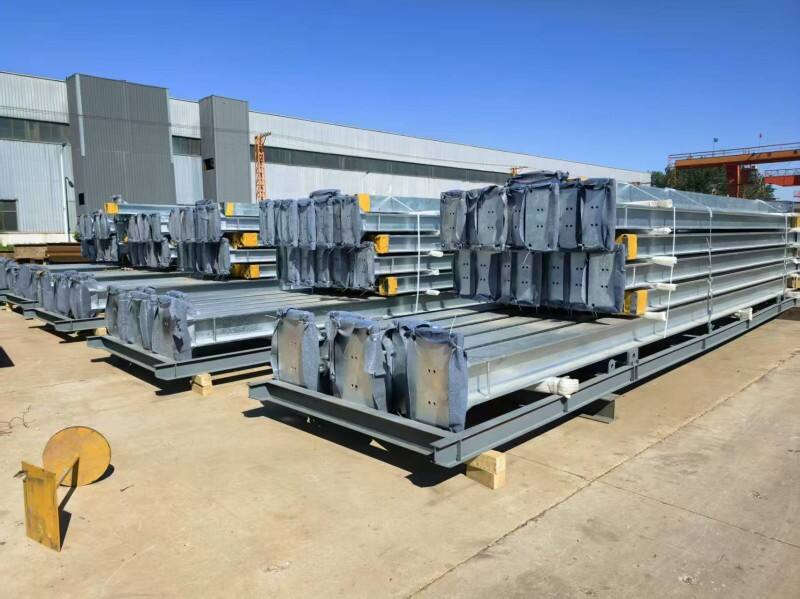
Schools and colleges tend to go with steel buildings mainly because they save time on construction. The steel parts come ready made with all their measurements already set, which cuts down building time quite a bit compared to regular concrete work. Traditional building requires doing things step by step formwork first, then waiting for concrete to cure, followed by finishing touches. But with prefabricated steel frames, different tasks can happen at once. Ground crews get the site ready while factory workers are making the steel pieces elsewhere. This makes a big difference for educational facilities needing to finish projects during those short summer windows between semesters or when new terms start.
| Construction Aspect | Traditional Methods | Steel Prefabrication |
|---|---|---|
| Foundation-to-Roof Cycle | 6–9 months | 3–4 months |
| Weather Delays | High impact | Minimal impact |
| Labor Requirements | 30–40 workers | 15–20 workers |
Factory-controlled fabrication minimizes on-site errors, while standardized connections accelerate crane operations. For example, a community college needing 20 new classrooms by August gains four months of usable instructional time—directly addressing enrollment surges without compromising academic calendars.
Scalability and Phased Expansion for Growing Academic Programs
The modular nature of steel allows college campuses to grow right along with their changing academic needs without breaking the bank on tearing down buildings or dealing with incompatible systems. When a school wants to expand its engineering facilities, they can simply add on to what already exists using the same type of beams and wall panels throughout. This keeps everything looking consistent from an architectural standpoint and makes things much easier when connecting new spaces together something that cuts down on headaches for about two thirds of the time compared to traditional methods. Special cranes mounted on rooftops make it possible to install these prefabricated sections during weekends, so classes aren't interrupted during regular teaching hours.
Building projects in phases helps keep budgets under control. Most schools start small with basic STEM labs first, then expand later when funding comes through for special workshops. The long steel beams that can stretch over 300 feet without support create open spaces inside buildings. These open areas adapt well to new tech stuff down the road, whether it's virtual reality setups or robot workstations. And if the liberal arts folks need bigger classrooms someday, the building connections are made with bolts instead of welds. This means they can rearrange things quickly without tearing apart the whole structure just to make room for more students.
How Steel Structure Buildings Enable Flexible, Future-Ready Learning Spaces
Column-Free Interiors and Long-Span Steel Joists for Adaptive Floor Plans
Steel buildings get rid of those annoying columns thanks to their long span joists, which creates open spaces that can be changed around as needed. Schools love this because they can move things around easily for group work sessions, mixed teaching formats, or big lecture halls just by shifting walls or moving desks around. The prefabricated parts also speed up construction time so colleges don't have to wait forever to rearrange their classrooms. These structures can handle spans going all the way to 30 meters while still keeping everything flexible below. They manage to fit all sorts of essential services like lights, heating systems, and internet wiring without messing up how the space looks or functions.
Integration with Smart Building Systems and Sustainable MEP Routing
Steel framing makes it much easier to work with smart building tech and install top notch mechanical, electrical, and plumbing systems. Those open web joists create handy channels right through the structure for running ducts, wires, and all sorts of sensors. This means contractors can get occupancy lights, air quality detectors, and smart HVAC zones installed without tearing things apart later. Insulation methods that keep heat from escaping also stop condensation problems on roofs, which protects expensive lab equipment from moisture damage. When engineers route these utility systems inside the actual building framework instead of hanging them off walls, buildings lose about 18 percent less energy than older constructions. That kind of efficiency helps cities meet their carbon reduction targets while still keeping buildings functional for everyday use.
Optimizing Acoustic and Environmental Performance in Steel Structure Buildings
Schools need good control over noise levels and temperature if students are going to learn properly and stay comfortable. These days, many buildings use modern steel construction methods that combine different materials for better results. They often include special composite floors filled with stuff that absorbs sound, plus ceilings designed to bounce noise back instead of letting it travel through walls. The STC rating measures how well these systems block sounds from moving between rooms, aiming for around 55 or higher which means teachers can actually hear what they're saying without constant interruptions. A recent report from the Education Construction Research Institute showed that when schools hit these standards, teachers notice about half as many distracting noises during class time compared to older buildings without such improvements.
Thermal Bridging Mitigation and Condensation Control in Roof Systems
Studies on building envelopes suggest that thermal bridging via structural components might cut down insulation performance somewhere around 27%. That's why modern steel structures designed for top performance often feature continuous insulation applied externally, connections that break heat transfer paths, plus vapor barriers built right into the system. These measures help stop moisture from collecting inside roofs, keep interiors at stable temperatures throughout seasons, lighten the burden on heating and cooling systems, and most importantly prevent mold growth which is bad news for anyone breathing indoors air. Schools especially benefit since good indoor conditions directly impact how students feel and learn over time.
FAQ
Why do schools prefer steel structure buildings?
Schools prefer steel structures because they significantly reduce construction time and can be easily expanded as academic needs grow, offering cost efficiency and flexibility.
What are the benefits of using steel structures for future-ready learning spaces?
Steel structures offer column-free interiors with long spans that allow adaptive floor plans, easy integration with smart building systems, and efficient utility systems routing, making them ideal for evolving educational environments.
How do steel buildings enhance acoustic and environmental performance?
They optimize acoustic performance by using materials that absorb sound and control noise levels. Thermal bridging mitigation and advanced insulation techniques contribute to improved energy efficiency and indoor air quality.