 EN
EN

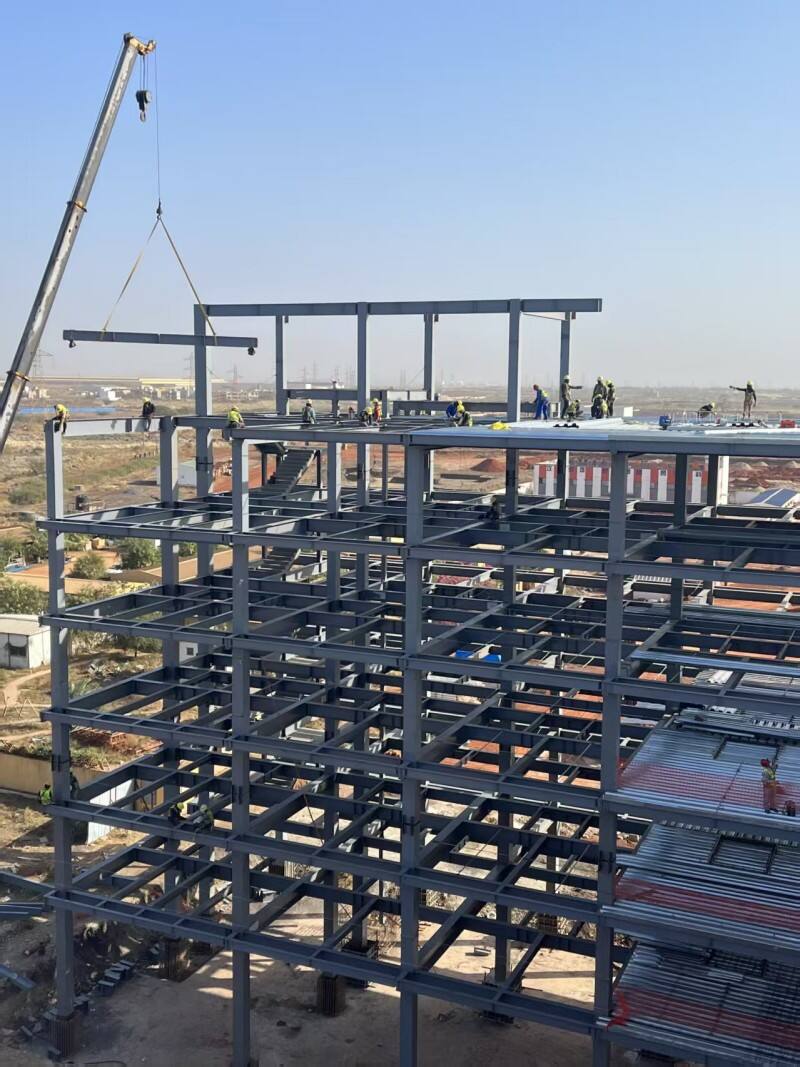
Steel Recyclability and Cradle-to-Cradle Lifecycle Integration in Steel Structure Building
Steel is the world’s most recycled construction material, with a global recovery rate exceeding 90% (Worldsteel, 2023). This unparalleled recyclability positions steel structure building as a cornerstone of circular construction economies.
Closed-loop recycling: From demolition of steel structure building to reintegration into new projects
When buildings reach their end of life, structural steel gets separated from debris using magnets at demolition sites, which means almost all of it can be recovered for reuse. Most other materials break down or lose quality when recycled, but steel stays strong no matter how many times it goes through the process. After melting down old steel parts, manufacturers turn them into brand new construction elements like beams and columns without any drop in quality. The whole system works in circles really well because instead of ending up in landfills, this metal just keeps getting reborn. And there's another bonus too energy needed for recycling is way lower than making fresh steel from scratch actually around three quarters less according to industry reports.
Cradle-to-cradle design enabling infinite reuse of structural steel components
Steel buildings today are increasingly designed with cradle-to-cradle thinking built right into their DNA. The trend toward bolted connections and standard section sizes makes all the difference when it comes to taking things apart later. When components need replacing or repurposing, these designs allow for clean separation without damaging parts. Many structures can be adapted for new uses over time without needing to melt anything down completely. And there's this cool thing called digital material passports now too, which basically keep track of what materials went where so they know exactly what they've got when recycling comes around. What sets structural steel apart is how it retains nearly full value even after multiple lifetimes. Unlike concrete and wood products that often get downgraded during recycling processes, steel just keeps going strong generation after generation.
Embodied Carbon Reduction and Green Steel Innovation for Steel Structure Building
Hydrogen-based direct reduction and optimized electric arc furnaces cutting emissions in structural steel production
The production of green steel is changing how we manufacture structural steel by using hydrogen based direct reduction technology. Instead of relying on coking coal, this method employs green hydrogen as the main reducing agent, cutting down around 95 percent of those CO2 emissions typically seen in old fashioned blast furnaces. Combine this approach with electric arc furnaces powered by renewable energy sources and what do we get? Almost zero emissions when producing steel. The resulting structural components maintain their strength while carrying just 14 percent of the carbon footprint compared to traditional methods. For construction projects aiming at net zero status, these innovations represent a game changer in sustainable building practices.
Recycled vs. virgin steel: Embodied carbon comparison and implications for steel structure building
Material selection critically impacts the carbon profile of steel structure building projects. According to Worldsteel (2023), recycled steel production emits just 1.37 tons of CO₂e per ton compared to 2.6 tons for virgin steel—a 47% reduction. This carbon advantage creates compelling sustainability synergies:
| Material Type | Embodied Carbon (tCO₂e/t) | Circularity Potential | LEED Contribution |
|---|---|---|---|
| Recycled Steel | 1.37 | Closed-loop recyclability | MRc2 credit (1–2 points) |
| Virgin Steel | 2.60 | Limited reuse pathways | No inherent credits |
By specifying 95%+ recycled content steel, projects satisfy MRc2 (Building Product Disclosure) requirements while advancing circular economy principles. Strategic material selection thus becomes a powerful carbon reduction lever for meeting corporate sustainability targets.
Off-Site Fabrication and Material Efficiency in Steel Structure Building
Prefabrication-driven waste reduction: Up to 90% less on-site material loss in steel structure building
Building steel parts away from the actual construction site cuts down on waste because factories can cut and assemble materials with much greater accuracy than what happens during traditional on site work. When everything is made in controlled conditions, there's simply less room for mistakes that lead to wasted resources. Research from NIST back in 2022 showed something pretty impressive about this method too it reduced material waste by around 90 percent when compared with older techniques. Steel components come to the job site already built and ready to go, so workers don't need to do any extra cutting which creates scrap metal piles. Plus, digital models help maximize how materials get used, protect against rain damaging unfinished pieces, and keep inventory levels low since stuff arrives just when needed. All these factors make projects greener while saving money overall. And speaking of money, transporting fewer materials means trucks spend less time on roads burning fuel, which is good news for anyone concerned about carbon footprints.
Green Building Certification and Energy Performance Advantages of Steel Structure Building
LEED v4.1 credits achieved through recycled content (MRc2) and life-cycle impact reduction (MRc1) in steel structure building
Steel buildings give a real edge when it comes to LEED v4.1 credits because of how circular the material is. Most structural steel today already contains around 90% recycled material, which ticks off the MRc2 credit requirements pretty much automatically. What makes steel even better is that it can basically be recycled forever. When buildings reach their end of life, instead of becoming waste, the steel just goes back into the system through closed loop processes. Architects are starting to design with disassembly in mind these days. This means parts can actually get reused in new buildings over and over again without losing any strength or quality. The whole thing creates this ongoing cycle where we don't have to keep mining for raw materials. For anyone aiming at LEED Platinum status, steel structures aren't just good to have they're practically essential.
Thermal and solar integration: High-performance insulation systems and solar-ready roof structures for steel structure building
Steel buildings can become real energy savers when equipped with advanced thermal management systems. When we talk about continuous exterior insulation combined with those special cladding attachments that break thermal bridges, studies from NIST back in 2022 showed these methods cut down heat transfer somewhere between 40 to 60 percent over traditional building methods. That means significantly reduced work for heating and cooling systems. What's interesting is how the solid steel frame naturally works well with solar ready roofs. The engineers actually design these purlin systems so they fit photovoltaic panels right in without any hassle. Buildings get two benefits at once here: super efficient envelopes that stop energy from escaping while the solar panels produce clean electricity on site. And let's not forget about those pre-engineered roof shapes. They're not just aesthetically pleasing but also positioned perfectly for maximum sunlight exposure. This smart design typically pays off faster too, cutting return on investment time by about 2 to 3 years when compared to older buildings getting retrofitted later.
FAQ
What is the recyclability rate of steel in construction?
Steel is the most recycled construction material in the world, with a global recovery rate exceeding 90%.
How does cradle-to-cradle design benefit steel buildings?
Cradle-to-cradle design allows steel components to be reused multiple times without loss of quality, promoting sustainability and reducing waste.
What are the carbon emissions of recycled versus virgin steel?
Recycled steel production emits 1.37 tons of CO₂e per ton, while virgin steel emits 2.6 tons, providing a 47% reduction in emissions.
How does off-site fabrication reduce waste in steel structure building?
Off-site fabrication allows for precise material usage and assembly, reducing on-site waste by up to 90%.
What are the benefits of steel structures in achieving LEED credits?
Steel structures can easily meet LEED v4.1 credits for recycled content and lifecycle impact reduction, supporting green building certification goals.
Table of Contents
- Steel Recyclability and Cradle-to-Cradle Lifecycle Integration in Steel Structure Building
- Embodied Carbon Reduction and Green Steel Innovation for Steel Structure Building
- Off-Site Fabrication and Material Efficiency in Steel Structure Building
- Green Building Certification and Energy Performance Advantages of Steel Structure Building
-
FAQ
- What is the recyclability rate of steel in construction?
- How does cradle-to-cradle design benefit steel buildings?
- What are the carbon emissions of recycled versus virgin steel?
- How does off-site fabrication reduce waste in steel structure building?
- What are the benefits of steel structures in achieving LEED credits?