 EN
EN

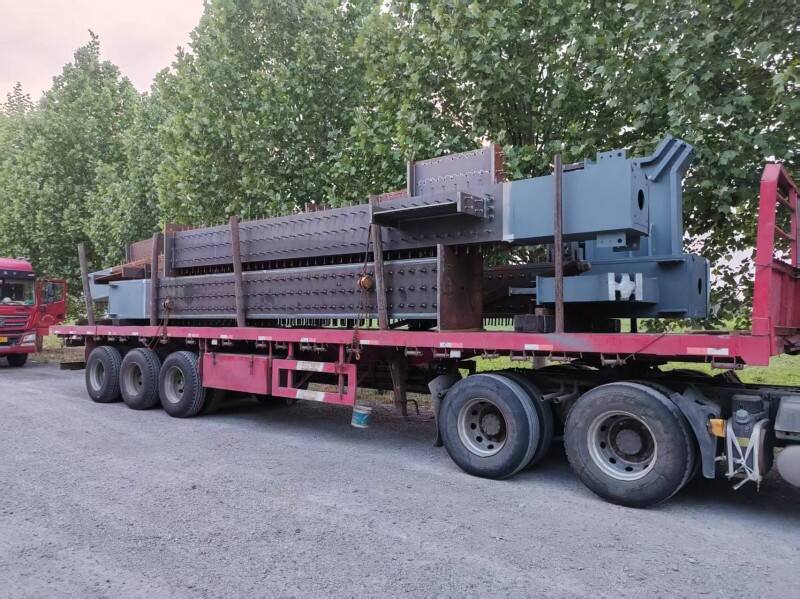
Superior Structural Performance and Resilience of Steel Structure
High strength-to-weight ratio enabling taller, lighter, and more efficient load-bearing designs
The strength of steel relative to its weight makes it possible to build much taller structures that are also slimmer in design. With less overall structural mass needed, architects can space columns farther apart, create more open spaces inside buildings, and construct lighter foundations as well. These advantages translate into real savings too. Foundation expenses drop somewhere around 20-25% when using steel instead of traditional building materials, plus there's less hassle with transporting and moving heavy components on site. For structural engineers working on these projects, the material properties let them work smarter with how loads are distributed throughout the building. They get better resistance against things like wind and earthquakes while still maintaining all sorts of creative freedom in how the final structure looks and functions.
Proven seismic ductility and resilience per FEMA P-58 and ASCE 7-22 standards
Steel frameworks get built specifically to deform in a controlled way that's not elastic at all, which is really important when big earthquakes hit. These days, most steel buildings follow standards like FEMA P-58 and ASCE 7-22. They incorporate what engineers call moment-resisting frames along with connections that can stretch and bend rather than break during shaking. Independent tests have shown these steel systems actually handle about 30 to 50 percent more earthquake energy compared to regular concrete or brick buildings. What's even better? People stay safe inside them during quakes, and after everything settles down, the buildings still work properly. This makes all the difference in areas where strong earthquakes happen frequently.
Fire performance enhanced by ASTM E119-compliant intumescent coatings and fire-rated assemblies
Steel without protection tends to lose strength when exposed to high temperatures, but there are ways to improve how it performs during fires using proper protection systems that meet building codes. Intumescent coatings, which have been tested according to ASTM E119 standards, can swell as much as fifty times their normal size when subjected to heat. This expansion creates an insulating layer of char that helps slow down the transfer of heat from one area to another. Combining these coatings with fire rated gypsum boards or encasing them in concrete gives structures between two and four hours of stability during standard fire conditions. This extra time makes all the difference for getting people out safely and reduces what needs fixing after the incident.
Accelerated Project Delivery with Steel Structure Prefabrication
30–50% Faster Construction Timelines Versus Cast-in-Place Concrete (NIST GCR 12-917-21)
According to research from NIST (GCR 12-917-21), prefabricated steel systems can actually shorten construction timelines by somewhere between 30 to 50 percent compared to traditional cast-in-place concrete methods. When components are made in controlled factory settings rather than on site, there's no waiting around for bad weather to pass before concrete cures properly. Plus, while the foundation is being prepared at the actual construction location, manufacturers can already be putting together wall panels and other structural elements back at the plant. The time savings really add up for average sized commercial projects too. Cutting down those long waits means saving roughly eighteen grand each month in financing expenses alone. And getting tenants into their spaces sooner translates to real money coming in faster than expected, which makes these accelerated schedules worth every penny in the long run.
Just-in-Time Delivery and Standardized Components Minimizing On-Site Labor and Weather Delays
Steel parts made with precision show up at job sites already prepared for quick assembly. This supports just in time delivery systems which cut down on storage space requirements and saves about 40% on site labor costs. When compared to concrete work, steel structures can be put together even when it's raining or freezing outside, so there's much less delay from bad weather conditions. The manufacturing process creates components within tight specifications, cutting construction waste somewhere between 15% and 20%. Contractors find this approach aligns well with lean building methods while still maintaining high standards for both quality and worker safety throughout projects.
Long-Term Cost Efficiency Across the Steel Structure Lifecycle
Reduced foundation requirements (up to 25% cost savings) and minimal maintenance over 50+ years
The strength to weight ratio of steel means foundations can be smaller which cuts down on things like digging, forms, and concrete usage sometimes by as much as a quarter. When we look at what happens over decades, steel with galvanization or weather resistant coatings just doesn't break down the same way other materials do. There's practically no warping, cracks forming, rot setting in, or insects getting involved. Studies on life cycles indicate maintenance costs drop between 85 and 90 percent compared to working with concrete or wood structures. Budget planning becomes easier because expenses stay predictable year after year. And these steel assets tend to hold their value for half a century or more making them smart investments for the long haul.
| Cost Factor | Traditional Materials | Steel Structure Advantage |
|---|---|---|
| Foundation Costs | Higher volume/weight | 15–25% savings |
| Annual Maintenance | Frequent interventions | Minimal after initial setup |
| Lifespan Efficiency | 40 years | >50 years with stability |
Sustainable Advantages of Steel Structure in Green Building
90%+ recycled content and infinite recyclability—EPD-certified and Cradle-to-Cradle aligned
Steel stands as the planet's top recycled construction material, with around 90% of what gets made in North America already containing recycled stuff. What makes it special is that steel keeps all its strength even after being melted down and remade countless times. Green certifications back this up too. These Environmental Product Declarations basically tell us steel has pretty minimal environmental footprint. And there's another thing called Cradle-to-Cradle certification that shows how old steel can be safely turned into something valuable again for buildings. According to some research from the Circular Economy Institute, when buildings come down, steel helps keep about 75% more debris out of landfills compared to concrete alternatives.
Embodied carbon reduction of 20–35% vs. concrete when using low-carbon steel production pathways
Structural steel made in electric arc furnaces running on clean power cuts down embodied carbon by around 20 to 35 percent compared to similar concrete structures when looking at the full lifecycle of buildings from start to finish. The carbon reduction angle is pretty important for meeting those tough climate goals set out in agreements like Paris, and it fits right into what green building certifications such as LEED version 4.1 and the World Green Building Council's Net Zero roadmap are pushing for these days. Many architects and engineers actually prefer this approach because it helps them hit sustainability benchmarks without sacrificing structural integrity or performance requirements.
FAQ
What are intumescent coatings?
Intumescent coatings are special types of paint that expand significantly when exposed to high temperatures, forming an insulating layer that protects steel structures from heat damage.
How does steel's high strength-to-weight ratio benefit construction?
Steel's high strength-to-weight ratio allows for the creation of taller, lighter structures with more open spaces and less material usage, reducing construction costs and improving load distribution.
What is the significance of steel structures meeting FEMA P-58 and ASCE 7-22 standards?
Meeting these standards ensures that steel structures are designed with seismic resilience, allowing them to withstand more earthquake energy and keep occupants safe while minimizing damage.
How do prefabricated steel systems accelerate construction timelines?
Prefabricated steel systems speed up construction by allowing components to be manufactured off-site in controlled environments, reducing time lost to weather delays and enabling faster assembly on-site.