 EN
EN

Upfront Investment vs. Lifecycle Value of Steel Structure
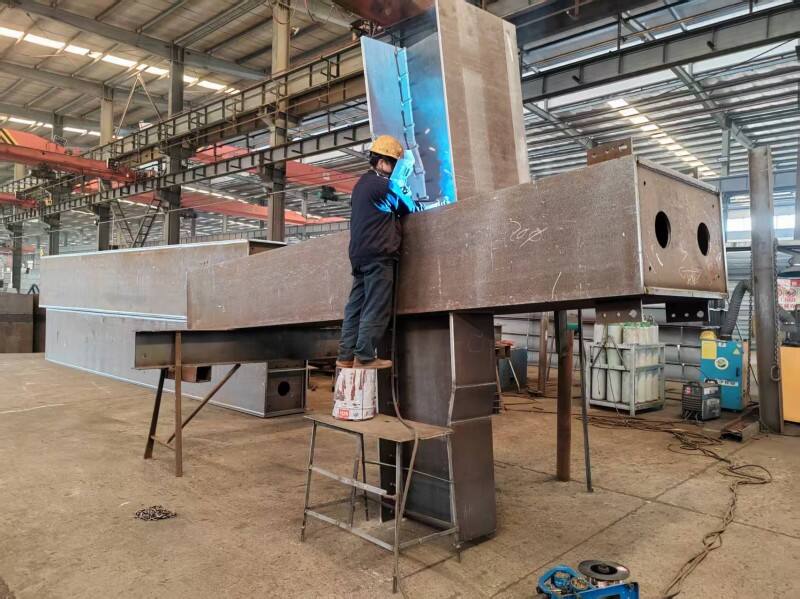
Breaking down initial costs: fabrication, erection, design premiums, and procurement timelines
The initial costs for steel structures usually run about 5 to 15 percent more than standard building systems because engineers need to spend extra time figuring out how all the parts connect, handle loads, and actually get built on site. After getting the materials, shops start cutting and shaping them using computer guided machines that minimize scrap, although complicated joints take longer to make and cost more labor. Putting everything together on site depends a lot on having good cranes available, skilled workers who know what they're doing, and easy access to the construction area. Special joints meant to resist forces during earthquakes need welders with specific certifications and take much longer to complete in the field. Using pre-made components can speed things up significantly, but only if the design is locked down early in the process. If changes happen later, everyone ends up paying for expensive corrections. Looking at industry data, steel buildings typically cost around 3 to 8 percent more upfront compared to similar concrete structures. However, when manufacturers use standard connection designs and coordinate digitally from the start, they can often bring those extra costs down quite a bit.
Quantifying long-term savings: low maintenance, extended service life, insurance benefits, and deconstruction/reuse potential
The real value of steel comes from how long it lasts, how predictable its performance is, and how easily it can be reused at the end of its life, rather than just looking at upfront costs. Buildings made with steel typically need far less maintenance money compared to other materials, somewhere around 30 to 50 percent less actually. This happens because steel has those special coatings that fight corrosion, won't catch fire, and holds up really well even in tough weather conditions. Most steel structures will go past 50 years before needing any serious work on their frame. And insurance companies love this too. Premiums for buildings that don't burn down tend to be 10 to 20 percent cheaper according to big insurers like FM Global. When these structures reach their final days, about 90 percent of all that steel gets recycled back into something useful again. Plus, modern designs make it possible to take apart whole sections and move them elsewhere. The latest Infrastructure Durability Report from 2023 backs this up showing steel framed buildings save about 40 percent in overall costs over six decades compared to concrete options. Some recent research into tearing down old buildings also found that steel components kept roughly 70 to 80 percent of their worth when put to use in completely different projects, which means good things for both our planet and bottom lines.
Primary Cost Drivers Influencing Steel Structure Economics
Material price volatility, skilled labor availability, and connection detailing complexity
The wild swings in material prices keep throwing curveballs at construction budgets. Steel alone can jump around by plus or minus 20% from one year to the next because of all sorts of factors like where iron ore comes from, how much energy it takes to produce, trade policies changing overnight, and sudden spikes in demand across different regions. Finding skilled workers makes things even worse. Good welders and detailers aren't just hard to find anymore, they're charging top dollar when they do show up. And their absence means projects take forever longer to complete sometimes adding as much as four extra weeks to each big stage of fabrication. Then there's the whole mess with connections. Moment-resisting joints, blast resistant ones, or those special seismic qualified connections? They need fancy computer models, custom tools, and tons of quality checks throughout the process. All this drives up costs and delays schedules constantly. Back in the day, materials, fabrication work, and actual erection each took about a third of the overall budget. But nowadays materials eat up closer to 40-45% of what we used to spend, leaving less room for labor and detailing expenses. That kind of shift means having contingency plans isn't optional anymore it's absolutely essential if companies want to stay solvent through these rough markets.
Project-specific variables: site location, schedule constraints, architectural complexity, and regulatory requirements
The specific conditions at each construction site can really throw off cost estimates. Projects in remote areas or tight spaces tend to push up transportation costs quite a bit sometimes making materials and installation expenses jump by over 15%. When timelines get squeezed, contractors often face higher labor costs from overtime pay, extra shifts, and rush delivery charges that eat into profit margins if not properly planned out ahead of time. Complex architectural designs featuring things like curved walls, cantilevered sections, or odd shaped floors typically need special engineering solutions, custom joints, and generally slow down production processes. Regulations also play their part in driving up costs. Buildings in earthquake prone areas need stronger connections and more rigorous testing. Structures near coastlines must include better protection against corrosion. Green building standards like LEED or BREEAM affect what materials get specified and create extra paperwork burdens. Getting all these potential issues sorted early on through feasibility studies, checking how buildable different aspects are, and understanding local regulations helps project teams understand and control risks well before finalizing designs.
Design and Fabrication Strategies to Maximize Steel Structure Cost-Effectiveness
Waste reduction through optimized nesting, standardization, and modular detailing
The real battle against waste begins at the drawing board rather than the construction site itself. Software tools that optimize how plates fit together can slash scrap materials by around 15%, which means companies spend less on raw materials overall. When firms adopt standardized parts lists including things like approved bolt connections, repeated beam setups, and commonly used sections, they typically save between 20% to 30% on detailing work while boosting workshop output. Going modular takes this approach even further. By creating designs that repeat themselves throughout projects, shops can produce identical components in bulk, cutting down on machine setup times, saving hours spent inspecting each piece, and naturally reducing mistakes. All these methods combined tackle that ongoing problem of about 5% to 8% material waste in the industry, transforming what was once just another expense into something managers can actually control without sacrificing safety standards or meeting building codes.
Leveraging BIM-integrated workflows for clash detection, accurate quantity take-offs, and prefabrication readiness
Building Information Modeling has become essential rather than something nice to have when managing costs in steel structures. With integrated models, teams can spot conflicts early between different parts of a building like where pipes might cross beams or walls get in the way of ductwork. This catches problems before they hit the site, cutting down on expensive fixes later on site. Some projects report around a quarter less rework thanks to this approach. The automated counting of materials gives pretty accurate lists too, usually within about 2% either way which helps keep ordering costs under control and reduces wasted space in warehouses. What really matters though is how BIM becomes the go-to reference point for everything from factory blueprints to computer-controlled cutting machines and step-by-step assembly instructions. This lets manufacturers prep components ahead of time so things fit together right away at the construction site. Contractors find their work periods shrink by roughly 30 days on average, meaning cranes don't need to stay onsite as long and workers aren't sitting idle waiting for parts. Real world experience shows these savings translate into better budget management, quicker project completions, and significantly fewer last minute changes that throw off schedules and budgets. Major factories and shopping centers built recently all point to well-coordinated BIM plans as a key factor in staying on track financially while meeting deadlines.
Comparative ROI of Steel Structure Across Building Applications
The return on investment story for steel structures isn't one size fits all, but steel tends to come out ahead when projects need speed, last longer, or can be adapted later. Take warehouses and industrial spaces for instance. These buildings see some serious ROI boosts because they go up so much quicker than concrete counterparts. We're talking anywhere from 25 to 40 percent faster construction times, which means businesses can start making money sooner rather than later. Plus, these steel buildings require almost no maintenance throughout their lifespan, which often stretches past 50 years. For commercial offices, steel's ability to span large distances without needing those pesky interior columns makes a big difference. Not only does this give tenants more flexible floor plans, it also cuts down on HVAC costs by around 15 to 25 percent compared to buildings packed with columns everywhere. Retail centers love steel too since changing layouts or doing tenant fit outs doesn't mess with the structure itself. No tearing down walls or rebuilding foundations like with brick or concrete buildings. Even in tough environments such as cold storage facilities where temperatures fluctuate constantly, the initial extra spending on better insulation pays off handsomely over time through lower energy bills and protection against moisture damage. When looking at all commercial and industrial applications together, steel typically delivers about 20 to 30 percent better returns over the building's lifetime compared to other materials. This advantage comes from things like prefabricated components that save time during construction, how well steel stands up to weather and other stresses, and the fact that steel buildings can often be taken apart and reused somewhere else when needed.
Frequently Asked Questions
Why are the initial costs of steel structures higher than other building systems?
The initial costs for steel structures are typically higher due to the additional time and effort required for engineering connections, handling loads, and on-site construction challenges. This includes fabrication and labor costs for creating complex joints, employing skilled workers, and having essential equipment like cranes.
How does steel offer long-term savings despite higher upfront costs?
Steel offers long-term savings through its durability, low maintenance requirements, extended service life, and deconstruction/reuse potential. Steel structures often need significantly less maintenance, have lower insurance premiums, and a high percentage of their materials can be recycled or reused.
What factors influence the cost of steel structures?
Primary cost drivers for steel structures include material price volatility, availability of skilled labor, connection detailing complexity, and project-specific variables such as site location, schedule constraints, architectural complexity, and regulatory requirements.
How can steel structure projects maximize cost-effectiveness?
Cost-effectiveness can be maximized through strategies like waste reduction via optimized nesting, standardization, modular detailing, and BIM-integrated workflows for clash detection and prefabrication readiness. These strategies help reduce material waste and streamline construction processes.