 EN
EN

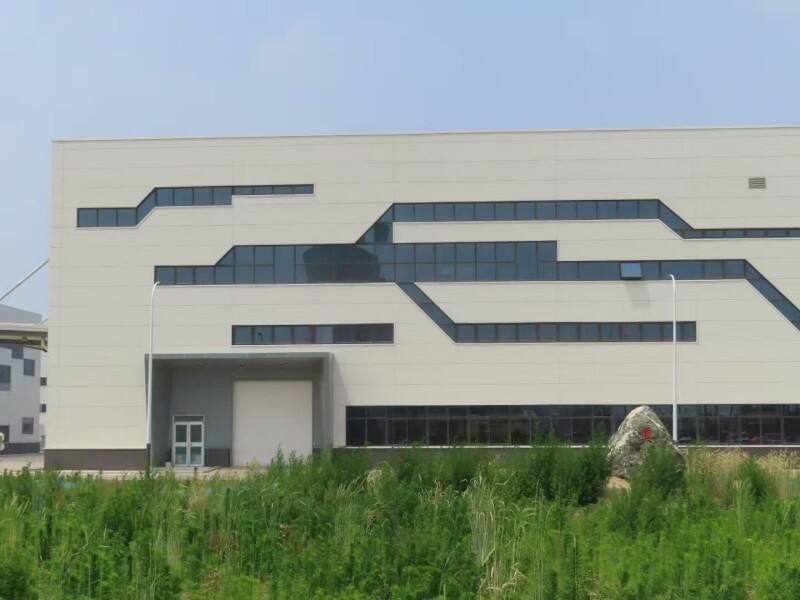
Eliminating Thermal Bridges and Sealing the Envelope
Why Thermal Bridging Is Critical in Steel Structure Building
The fact that steel conducts heat so well means it naturally creates what we call thermal bridging those spots where heat slips right past insulation through the structural parts of a building. If left unchecked, this problem can slash wall insulation effectiveness by anywhere from 40 to 60 percent, while cutting down on overall building energy efficiency by around 30%. These figures come from various thermal performance studies referenced in ASHRAE 90.1 and IECC guidelines. For buildings made with steel frames, these thermal bridges don't just waste energy they also raise the chances of condensation forming on interior walls and force HVAC systems to be sized larger than necessary. Putting in thermal breaks at critical junctions like where framing meets cladding or connects to foundations isn't just good practice anymore it's basically required if buildings want to comply with today's energy codes and maintain their structural integrity over time.
Continuous Insulation and Thermal-Break Strategies for Structural Steel and CFS
Continuous exterior insulation, or CI for short, stands out as probably the best method available today for cutting down on conductive heat losses through steel frames. When we wrap around the whole building envelope including those pesky little details like studs, beams, and all those connection points, it basically gets rid of those gaps where insulation just doesn't work right. Structural steel components benefit greatly from thermal breaks constructed using materials that don't conduct heat so easily, such as polyamide or structural foam products. These breaks help separate inside from outside temperatures while still maintaining necessary load capacities. And when dealing specifically with cold formed steel structures, getting good results really comes down to how carefully the installation is done in practice.
- Wrapping stud cavities with insulation blankets that maintain full contact and avoid compression gaps
- Using thermally broken clips or standoffs to decouple exterior cladding from interior framing
- Sealing service penetrations with spray foam or pre-compressed gasket systems to preserve continuity
The table below reflects field-validated performance comparisons:
| Strategy | Thermal Bridging Reduction | Energy Savings Potential |
|---|---|---|
| Continuous Insulation | 85–90% | 25–30% |
| Structural Thermal Breaks | 70–80% | 15–25% |
| Hybrid Approach | 90–95% | 30–40% |
Air-Sealing Best Practices: Joints, Penetrations, and Interface Details in Steel Structure Building
Studies show that air leaks can waste anywhere from 25 to 40 percent of energy in commercial steel buildings when looking at envelope performance data collected through standard blower door tests like ASTM E779 and RESNET 380. Where do these problems typically occur? Think about those spots where panels meet each other, places where pipes and wires go through walls, around windows and doors, plus all the tricky areas where roofs connect to walls and foundations. Getting good seals isn't simply about picking the right products either. Real effectiveness comes from proper detailing throughout the entire construction process, making sure everything fits together properly rather than relying solely on sealants after the fact.
- Fluid-applied air barriers applied to panel joints before cladding installation create monolithic, durable seals
- Compression gaskets at window-to-steel interfaces accommodate movement while maintaining airtightness
- Pre-formed boots and wrap-around membranes around pipes, conduits, and ducts prevent bypass paths
- Vapor-permeable, UV-stable sealants at roofing-to-wall transitions allow moisture egress without compromising air control
Sequencing matters: air-barrier installation must occur early enough to be verified—and protected—through subsequent trades. Blower door testing during rough-in and post-cladding phases validates performance before interior finishes conceal access.
High-Performance Insulation and Facade Systems for Steel Structure Building
Insulated Metal Panels (IMPs): R-Value, Integration, and Lifecycle Benefits
Insulated Metal Panels, or IMPs for short, pack three essential functions into one factory-made unit: structural strength, protection against the weather, and good thermal properties. These panels have R-values between R-6 and R-8 per inch, which is almost twice what we get from standard fiberglass batt insulation. That means buildings stay warmer in winter and cooler in summer without all the problems that come with layered insulation systems where gaps form and compression happens. The way IMPs work is pretty smart actually. Since the insulation sits right inside a continuous metal layer, there's no thermal bridging happening at the framing points. Building professionals report HVAC savings of around 40% when using these panels, something backed up by studies looking at ASHRAE standards. Another big plus? The factory sealing stops water from getting in and prevents condensation issues that can ruin walls over time. Looking at the long term picture, most buildings see a solid return on investment somewhere between 10 to 15 years after installation. And even better, these panels last about 30 years in tough coastal areas because of their special zinc-aluminum coatings that resist corrosion.
| Insulation Type | R-Value Range (per inch) | Thermal Bridging Risk | Installation Complexity |
|---|---|---|---|
| IMPs | R-6 to R-8 | None | Low |
| Fiberglass Batts | R-3 to R-4 | High | Moderate |
| Spray Foam | R-6 to R-7 | Low | High |
Exterior Continuous Insulation over Cold-Formed Steel Framing
When working with cold formed steel (CFS) framing, getting continuous exterior insulation right is absolutely essential. Steel studs by themselves basically ruin cavity insulation unless they're completely separated out. Installing rigid mineral wool or polyiso boards on top of the sheathing works best when everything gets properly taped, sealed, and connected to the flashing system. According to recent building code models from 2021, this method cuts down about 60% of heat loss through those steel studs. Getting those joints sealed matters a lot too. Using either fluid applied membranes or really good quality tapes helps maintain insulation integrity around all those fasteners and at different sections where materials meet. And there's another benefit beyond just saving energy. Continuous insulation keeps cavity temperatures stable throughout the seasons, which stops condensation from forming inside walls. That means no risk of corrosion or mold growth, something that becomes super important in places with lots of humidity or unpredictable weather patterns.
Passive Design Synergy with Steel Structure Building Geometry
Optimizing Solar Orientation and Shading for Climate-Specific Energy Reduction
The dimensional accuracy and long span capabilities of steel really help create buildings that respond well to passive solar design principles. When architects align buildings so their longest side runs east to west, they get maximum exposure on the south side (or north in the Southern Hemisphere). This setup allows for better control of solar heat gain through features like deep fixed overhangs or steel framed louvers that stop the intense summer sun but let in those gentle winter rays. For buildings in temperate regions, this orientation approach typically cuts down on heating and cooling costs by about 25% each year. Places with hot dry climates such as Phoenix see even bigger savings when combining smart window placement with thermal mass materials like exposed concrete floors, which can slash cooling needs by as much as 40%. Looking at what happens in Northern Europe shows different priorities there too. Projects often focus on high quality glass with slim frames and insulated areas between windows to keep heat inside, taking advantage of how steel supports big curtain walls that break thermal bridges.
Daylight Harvesting and Natural Ventilation Strategies Enabled by Steel's Long Spans and Flexibility
The strength to weight ratio of steel allows for column free spans over 18 meters which creates large open floor spaces great for letting in natural light. When we place clerestory windows, those distinctive saw tooth roof designs, and long narrow skylights just right, they let in soft northern light without causing too much glare or heating up the space too much. This actually means buildings need far less electric lighting during the day sometimes as much as three quarters less. At the same time, because steel can be fabricated so precisely, we can design natural ventilation systems too. Think about windows that line up properly, special roof features called monitors, and vertical shafts that take advantage of how hot air rises. These things work together to push out warm air naturally, meaning mechanical ventilation systems don't have to work as hard maybe around 30% less in places with average weather conditions. What's really important is that steel connections are made with such tight tolerances that they create completely sealed areas around all these openings. Without this attention to detail, outside air would just leak in uncontrollably, making the building uncomfortable and ruining all the good passive design work we've done.
Cool Roofs and Reflective Surfaces in Steel Structure Building
Steel buildings can save a lot on energy costs when they have cool roofs that bounce back sunlight rather than soaking it up. The best reflective systems out there include factory applied coatings, light colored metal panels, or those insulated composite setups. These materials can actually drop roof temps around 50 degrees Fahrenheit compared to regular dark roofs. What happens next is pretty straightforward the building stays cooler because less heat transfers through the roof. This means air conditioning runs less in hot weather areas cutting cooling needs by roughly 15 to 25 percent. Plus, the roof itself lasts longer since it doesn't go through so much temperature change stress over time. When working with steel constructions, look for materials rated at least SRI 82 according to ASTM E1980 standards. White pigmented silicone or acrylic coatings work well with their 70 to 90 percent reflectivity, or just go with those naturally light gray metal panels that reflect without needing extra treatment. Although these benefits show up strongest in places with lots of sun exposure, even in other regions cool roofs help maintain consistent indoor temperatures throughout the year. They also fight against urban heat islands making neighborhoods more comfortable overall something that matters a lot in commercial districts where steel buildings form the backbone of many mixed use developments.
FAQ
1. Why is thermal bridging critical in steel structures?
Thermal bridging in steel structures is critical because steel conducts heat efficiently, leading to energy losses and potential condensation issues within the building, consequently affecting both energy efficiency and structural integrity.
2. How can continuous insulation benefit steel-framed buildings?
Continuous insulation minimizes conductive heat losses through steel frames by wrapping the building envelope, eliminating gaps in insulation, improving energy efficiency, and reducing condensation risks.
3. What is the advantage of using Insulated Metal Panels (IMPs)?
IMPs provide superior thermal properties, structural strength, and weather protection, leading to HVAC energy savings and a return on investment within 10-15 years.
4. What passive design strategies work well with steel structures?
Steel structures benefit from passive design strategies like optimizing solar orientation, shading, daylight harvesting, and natural ventilation due to their dimensional accuracy and flexibility.
5. How do cool roofs contribute to energy savings in steel buildings?
Cool roofs reflect sunlight, reducing roof temperatures and the building's cooling load, resulting in energy savings and longer roof lifespan while mitigating urban heat effects.
Table of Contents
- Eliminating Thermal Bridges and Sealing the Envelope
- High-Performance Insulation and Facade Systems for Steel Structure Building
- Passive Design Synergy with Steel Structure Building Geometry
- Cool Roofs and Reflective Surfaces in Steel Structure Building
-
FAQ
- 1. Why is thermal bridging critical in steel structures?
- 2. How can continuous insulation benefit steel-framed buildings?
- 3. What is the advantage of using Insulated Metal Panels (IMPs)?
- 4. What passive design strategies work well with steel structures?
- 5. How do cool roofs contribute to energy savings in steel buildings?