 EN
EN

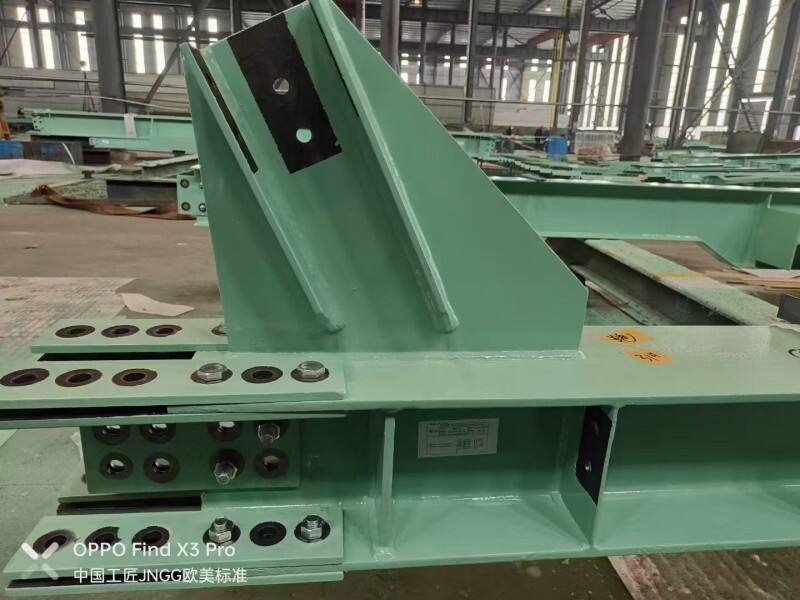
Site Preparation and Foundation Integration for Steel Structure Buildings
Geotechnical Assessment and Ground Readiness
Getting a solid understanding of the ground conditions is essential for any steel structure project that stands the test of time. When engineers test soils, they look at key factors like how much weight the ground can hold (usually between 2,000 and 6,000 pounds per square foot) and how tightly packed the soil particles are. These tests also tell them if special treatments are necessary, such as replacing bad soil or injecting chemicals to strengthen weaker areas. Before construction starts, crews need to clear away plants, level the land so slopes stay below 1 percent, and put in place measures to stop erosion from washing away valuable topsoil. Most of these prep works take anywhere from one to five weeks, though projects on rocky ground often run about 40% longer than those on flat terrain. Drainage is another big concern during this phase. Water pooling around foundations can actually weaken their stability by nearly a third according to soil science experts. All these findings get compiled into a detailed geotechnical report that guides the actual foundation work, making sure everything meets both local regulations and industry standards for structural integrity.
Precision Layout and Anchor Bolt Installation for Structural Alignment
Foundation accuracy depends on meticulous layout using laser-guided surveying equipment. Anchor bolts must be positioned within ±2 mm tolerance to ensure seamless steel column alignment—deviations exceeding 3 mm can increase erection time by 25%. Installation follows three key practices:
- Template Systems: Reusable jigs maintain precise bolt-group spacing during concrete pouring
- Elevation Control: Bolts are set to ±1.5 mm vertical tolerance using preset sleeves
- Curing Protection: Temporary covers prevent displacement during concrete’s 7–28 day strength development
Complex foundations—such as pile caps—require four or more weeks versus 1–3 weeks for slab-on-grade designs. Post-pour verification via 3D scanning confirms all anchor connections in mid-sized structures meet AISC 360-22 alignment standards before steel delivery begins.
Steel Frame Erection: Phased Assembly and Joint Execution
Lifting, Placing, and Temporary Bracing: The Core Erection Sequence
When erecting structural steel, workers start by lifting pre-assembled columns and beams with either tower or mobile cranes. The process follows specific engineering sequences where corners get placed first to establish stability right from the beginning. As soon as these components land in position, temporary bracing goes up immediately. This helps keep everything stable while workers adjust positions before making permanent connections. Rigging crews rely on special tools like spreader bars during lifts. These devices help spread out weight evenly across what's being lifted, which cuts down on bending or twisting risks. Safety remains a top concern throughout. All lifting equipment gets checked thoroughly before any work starts, and nobody is allowed under anything hanging in midair. Construction sites that stick to detailed, planned erection sequences tend to finish their steel frameworks about 30 percent quicker compared to projects that just wing it. This speed boost comes mainly from less wasted time fixing mistakes and better teamwork between different crews on site.
Bolting vs. Welding: Performance, Tolerances, and Code-Compliant Joint Detailing
| Method | Tolerance Range | Time Efficiency | Code References |
|---|---|---|---|
| High-strength bolting | ±1/8 inch | Faster installation | AISC 360-22 Sec J3 |
| Full-penetration welding | ±1/16 inch | Slower (requires QC testing) | AWS D1.1/D1.8 |
Steel buildings today mostly rely on bolted connections because they're fast to install, easy to adjust onsite, and make quality checks straightforward. While field welding still plays a critical role in creating moment-resisting frames, it requires careful control of weather conditions to prevent problems like brittle fractures. Many engineers now prefer hybrid connections that mix bolts and welds together since these setups distribute loads better across different parts of the structure. These combinations have become particularly popular in earthquake-prone areas where meeting IBC standards matters most. For all connection types, regular checks happen either through torque measurements for bolts or special tests for welds, especially when dealing with structures subjected to repeated stress cycles over time. The industry generally aims to keep alignment errors under 1/4 inch every 100 feet of run. This tolerance helps prevent those unwanted secondary stresses that can quietly weaken the whole structure over years of service.
Workforce Coordination, Equipment Strategy, and Safety in Steel Structure Building Projects
Specialized Roles: Ironworkers, Riggers, Signalers, and Fabrication Liaisons
Getting steel structures erected efficiently depends heavily on having people who know their specific roles inside out. Ironworkers are typically the ones handling the actual assembly work high above ground level, reading those detailed blueprints as they bolt together beams and columns. Meanwhile riggers spend time calculating how much weight different parts can handle so they pick the right slings and shackles for each job. Signalers keep constant eye contact or talk through radios with crane operators, giving them directions through those standard hand signals everyone learns from OSHA training. Before anything even leaves the fabrication shop, someone checks if everything fits properly and meets all dimensions requirements, which helps avoid problems when it comes time for lifting heavy pieces into place. The whole system works better because everyone knows what they're responsible for, and mistakes happen less often. Steel erection sits near the top of dangerous construction tasks according to recent labor stats, so teams also benefit from knowing basic fall protection techniques, how to respond in emergencies, and spotting potential hazards around the site. This kind of preparation makes crews more adaptable when things get complicated on big projects.
Crane Selection, Rigging Engineering, and MEWP Deployment for Vertical Access
When choosing cranes for construction sites, it's all about matching what the crane can do with what the site allows. For buildings shorter than 60 feet, mobile hydraulic cranes generally work best. But if we're talking about high rises with steel frames, tower cranes are the way to go. What matters most during evaluation? First, figuring out how much weight needs lifting at different distances from the crane. Then checking whether the ground can handle the pressure based on soil conditions. And don't forget about staying clear of power lines and nearby buildings that might interfere. Rigging engineers spend hours creating detailed lift plans that cover everything from calculating where the weight will balance to setting up proper rigging gear and establishing wind speed limits. These plans make sure every job follows both ASME B30 standards and OSHA regulations for safe operations. For getting workers up high, MEWPs (Mobile Elevated Work Platforms) offer adjustable height stations perfect for bolting connections and welding joints. The articulating boom versions really shine when there are obstacles in the way, moving faster and reaching places regular scaffolding just can't touch. Before any equipment hits the site, operators need valid certifications on file, daily inspections must be completed, and weather conditions monitored constantly. Most sites have protocols that stop all lifting activities once wind speeds hit 20 mph or higher, since strong gusts can cause dangerous load swings.
Buildability Optimization: From Fabrication to Integrated Finishing in Steel Structure Buildings
When it comes to building smarter, the focus has shifted toward optimizing buildability through off-site fabrication combined with simplified on-site work. This means getting most of the heavy lifting done in factories where conditions are controlled, which really speeds things up while keeping quality consistent across projects. With advanced 3D modeling tools now available, manufacturers can produce parts within just 2mm of their target measurements. That kind of accuracy cuts down on those frustrating last-minute adjustments needed at construction sites, shaving anywhere from 30 to almost half off traditional construction schedules. What's particularly cool about this method? It allows contractors to install things like insulation layers, electrical conduits, and anchor points for exterior finishes right during manufacturing, not after everything arrives onsite. The teams working on fabrication and finishing need to talk constantly these days, which helps cut down wasted materials, keeps quality standards uniform, and catches potential design issues long before anyone starts cutting steel. Real world results show projects finish around 40 percent faster than before, and labor expenses drop by roughly a quarter too. These savings matter a lot for businesses looking to get buildings occupied quickly since time equals money when calculating returns.
FAQ
What is the importance of geotechnical assessment for steel structure buildings?
Geotechnical assessment provides critical information about soil conditions, which influences the structural integrity and stability of steel structures. This assessment guides necessary preparation and treatments for the soil before construction begins.
Why is precision layout crucial in steel structure construction?
Precision layout ensures that anchor bolts and steel columns are perfectly aligned, reducing erection time and enhancing structural accuracy, which is crucial for the project's success.
What role do ironworkers and riggers play in steel construction?
Ironworkers handle the assembly of structures by bolting beams and columns together, while riggers calculate weight loads and select appropriate equipment for lifting parts, ensuring safe and efficient construction progress.
Table of Contents
- Site Preparation and Foundation Integration for Steel Structure Buildings
- Steel Frame Erection: Phased Assembly and Joint Execution
- Workforce Coordination, Equipment Strategy, and Safety in Steel Structure Building Projects
- Buildability Optimization: From Fabrication to Integrated Finishing in Steel Structure Buildings
- FAQ