 EN
EN

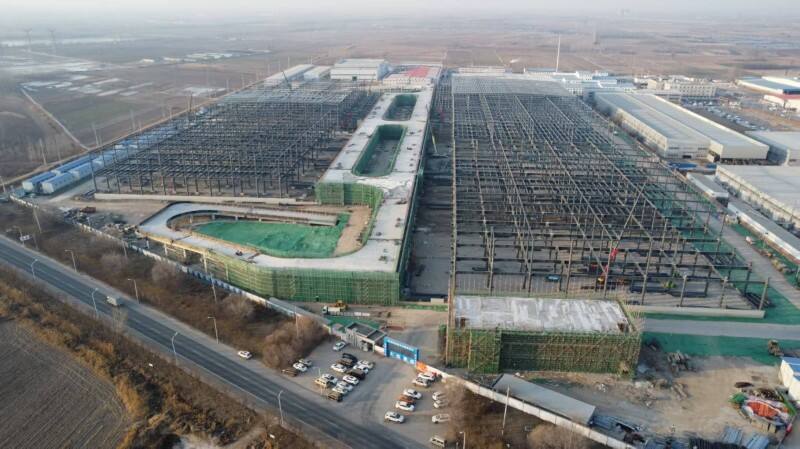
Corrosion Prevention and Protective Coating Management for Steel Structures
Environmental Corrosion Drivers and Their Impact on Steel Structure Lifespan
Steel doesn't last forever when exposed to certain environmental conditions. Moisture levels, salt content in the air, and various industrial contaminants all contribute to what's known as electrochemical corrosion over time. Industry professionals rely on something called ISO 12944:2019 to assess how bad things might get. This international standard basically ranks different environments from least damaging to extremely harsh. For instance, indoor spaces with little humidity fall under category C1 while coastal areas where saltwater spray is common rate as C5-M. Steel structures left unprotected in those marine environments typically only last around 60% as long as they would in drier inland locations classified as C2. The financial impact adds up fast too. Facilities dealing with regular maintenance due to rust problems spend roughly seven hundred forty thousand dollars each year on average according to recent research. That number includes not just fixing damaged parts but also accounting for unexpected shutdowns during repairs.
Comparative Analysis of Protective Coating Methods: Painting, Galvanization, and Intumescent Systems
Coating selection must align with environmental exposure, performance requirements, and maintenance capacity:
- Painting: Multi-layer epoxy/polyurethane systems deliver customizable resistance to UV, abrasion, and chemicals, with typical service lives of 15–25 years when applied and maintained per ISO 12944 specifications.
- Hot-dip galvanization: A metallurgically bonded zinc layer provides cathodic protection and barrier defense, often achieving 50+ years in moderate exposures—but limits post-installation welding due to zinc embrittlement risks.
- Intumescent coatings: Engineered to expand under heat, forming an insulating char that delays steel temperature rise during fire exposure. Performance depends critically on precise dry-film thickness (DFT) application and compatibility with underlying primers.
Coating Inspection Protocols and Recoating Triggers per AWS D1.3 and SDI Standards
When it comes to inspections following AWS D1.3 guidelines for sheet steel work and SDI standards, there are basically three main things inspectors look out for as signs of potential problems. First up is loss of adhesion which they check using cross hatch tests. Then there are those annoying holiday defects that become an issue once they cover over 5% of the surface area. And finally, anyone who sees rust creeping more than 3mm away from where there was mechanical damage knows something needs attention. Most contractors will recommend recoating if under film corrosion starts affecting at least twenty percent of what's been checked. Another red flag appears when dry film thickness readings drop below what ISO 12944 specifies for different exposure classes. These benchmarks aren't just numbers on paper they actually represent real world performance expectations based on how harsh the environment gets around these structures.
Systematic Inspection and Structural Integrity Monitoring of Steel Structures
Critical Inspection Zones and Frequency Guidelines by Exposure Class (ISO 12944)
The exposure classification system in ISO 12944 basically determines how often and what kind of inspections are needed for structures. Buildings located in harsh industrial (C4) or marine (C5) conditions should be checked every three months, focusing on areas prone to problems like base plates, weld toes, lap joints, and where fireproofing meets steel structures. On the flip side, structures rated C1 or C2 generally get away with just one inspection per year. Real world evidence from thousands of industrial facilities shows something important though. When companies mix up these inspection schedules, say using C2 standards for C5 environments, corrosion actually speeds up by around four times. This not only shortens the expected lifespan of the structures but also drives up maintenance expenses significantly over time.
Non-Destructive Detection of Deformation, Cracking, and Connection Loosening
Structural health monitoring really needs a mix of different non-destructive testing techniques working together. Let's look at some common ones first. Ultrasonic pulse echo can find those tiny subsurface cracks down to fractions of a millimeter. Then there's magnetic particle inspection which works great for spotting surface flaws in iron-based parts. Eddy current systems are handy too since they check how tight bolts are and notice when they start to loosen up by looking at changes in electromagnetic fields. And don't forget terrestrial laser scanning that creates super accurate 3D models showing exactly how structures change shape over time. When engineers combine several of these methods during annual inspections, studies show something pretty impressive happens. The chance of missing serious problems drops by around 92% compared to just relying on visual checks alone. That makes a huge difference in safety outcomes for buildings and infrastructure across the board.
Fire Resistance Integrity and Connection Reliability in Steel Structures
Steel doesn't burn, but when temperatures reach around 500 degrees Celsius (about 930 Fahrenheit), it starts losing roughly half of what it can hold up. This means how well steel resists fire depends largely on keeping structures strong even when heated. Fire resistance basically comes down to three main things working together: First, Load-Bearing Capacity (often called R rating) refers to how long a building part can support its normal weight during a fire. Second, Integrity (or E rating) means stopping flames and hot gases from getting through. And third, Insulation (I rating) keeps the other side of the material from heating up too much. What really matters though is how connections between parts hold up. When metal expands differently at joints where bolts or welds join pieces together, extra stresses build up. If engineers don't account for these differences properly, whole sections might fail unexpectedly. Today's approaches mix both passive methods like special coatings that swell when heated, mineral fibers sprayed onto surfaces, or boards applied directly, along with active systems that detect fires early and try to put them out. Computer models help check if these connections will work according to local fire safety rules like those set by NFPA 251 in North America or EN 1363-1 across Europe.
Corrective Maintenance Execution and Regulatory Compliance for Steel Structures
Weld Repair Best Practices, Bolted Connection Verification, and Component Replacement Criteria
Any corrective work needs to stick to established engineering standards. According to AWS D1.1 guidelines for weld repairs, any cracks or volume defects need complete removal through grinding or gouging techniques. After that comes preheating, then rewelding following a qualified welding procedure specification (WPS), and finally checking everything with proper post weld inspections. When dealing with bolted connections, it's essential to verify torque levels using properly calibrated tools that can be traced back to national standards. This becomes especially important after things like heavy vibrations or earthquakes have occurred, since these events can affect how tight those bolts really are. Parts should be replaced entirely if there's more than 25% loss in material thickness from corrosion damage, or if shape changes start messing up how loads transfer through the structure. Every fix job requires official records showing compliance with ISO 12944 standards for environmental exposure classes plus all applicable safety rules. That means meeting OSHA 1926 Subpart R requirements as well as whatever local building codes apply in the area where the work is being done. Keeping good documentation helps with audits later on and supports claims about how long equipment will last beyond normal expectations.
FAQ
What is ISO 12944:2019 and why is it important?
ISO 12944:2019 is an international standard that provides guidelines for assessing the corrosive impact of various environments on steel structures, ranging from indoor spaces with low humidity (C1) to coastal marine areas with high salt spray (C5-M). It is crucial for determining the lifespan and required protection methods for steel structures.
How often should inspections be performed on steel structures?
Inspection frequency depends on the exposure class. Structures in harsh industrial (C4) or marine (C5) conditions require inspections every three months, focusing on critical areas. Structures in milder conditions (C1 or C2) require only annual inspections.
What are the best protective coating methods for steel?
Three main protective coating methods include painting with epoxy/polyurethane systems, hot-dip galvanization with zinc layers, and intumescent coatings designed to expand under heat. Each method's effectiveness depends on the environmental exposure and maintenance requirements.
How does fire impact the integrity of steel structures?
While steel itself doesn't burn, it loses strength when exposed to high temperatures. The integrity during fires relies on load-bearing capacity, flame and gas barrier properties, and insulation capabilities of the coatings and construction methods.
When is corrective maintenance required for steel structures?
Corrective maintenance involves weld repairs, bolted connection verification, and component replacement when cracks, deformations, or significant corrosion damage occur, ensuring compliance with established engineering standards and regulatory requirements.
Table of Contents
- Corrosion Prevention and Protective Coating Management for Steel Structures
- Systematic Inspection and Structural Integrity Monitoring of Steel Structures
- Fire Resistance Integrity and Connection Reliability in Steel Structures
- Corrective Maintenance Execution and Regulatory Compliance for Steel Structures