 EN
EN

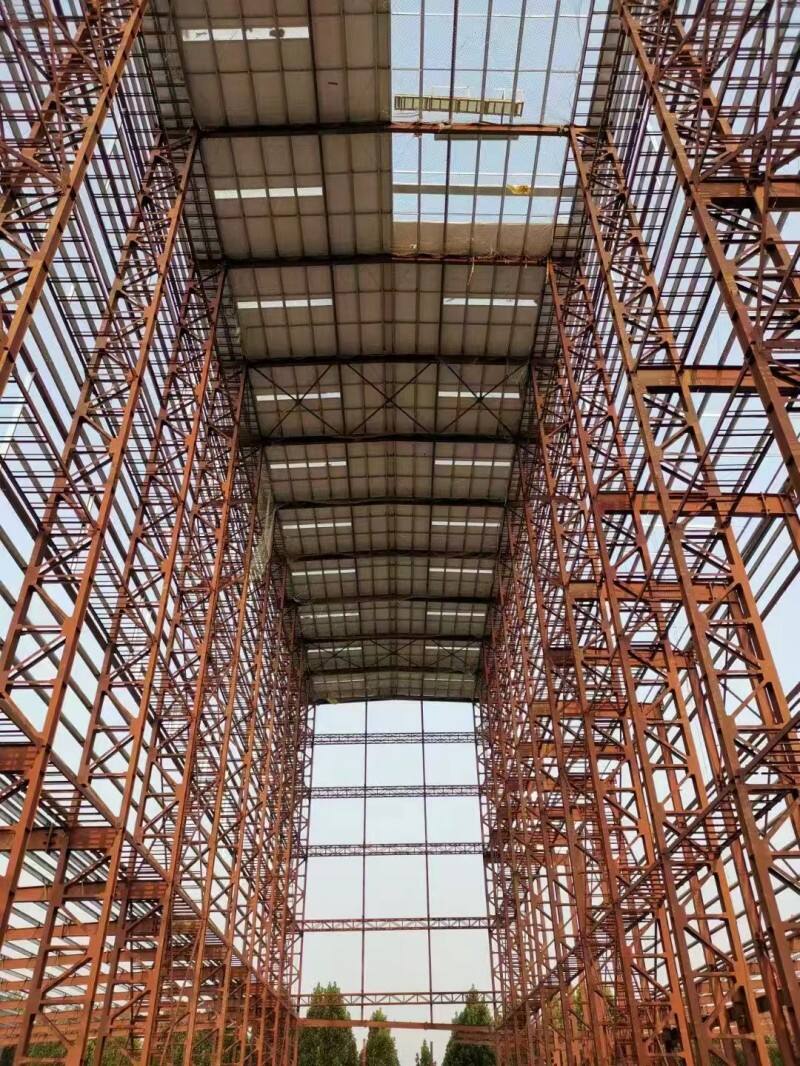
Inherent Material Strength and Long-Term Performance of Steel Structure
Steel structures deliver exceptional durability through fundamental material properties that withstand decades of service. These inherent characteristics ensure reliable performance across diverse building applications while minimizing maintenance requirements.
Yield Strength, Tensile Capacity, and Fatigue Resistance in Real-World Building Applications
Steel structures hold up against intense pressure thanks to three main mechanical traits that make them so reliable. First off, yield strength usually goes beyond 50,000 pounds per square inch which stops things from bending permanently when loaded down with stuff like heavy machinery or winter snow buildup. Then there's tensile strength that lets parts stretch without breaking apart completely. Bridge builders really appreciate this feature for those long spans between supports and skyscrapers need it too for their vertical frames. Lastly, steel can handle repeated stress without cracking over time, whether it comes from earthquakes shaking buildings or machines vibrating constantly inside factories. When all these qualities work together, steel structures last well past half a century while keeping people safe, something we see every day in manufacturing plants where equipment runs nonstop and demands never let up.
Thermal Stability and Dimensional Consistency Across Climate Extremes
The thermal expansion coefficient of steel is pretty low at around 6.5 x 10^-6 per degree Fahrenheit, which means it doesn't change dimensions much when temperatures go up or down. This characteristic helps avoid problems with joints getting stressed or misaligned in places where there are big temperature swings. Think about deserts where daytime temps can jump by 60 degrees Fahrenheit in just one day, or Arctic locations where temperatures sometimes plummet below -40 degrees. Materials that expand and contract a lot under these conditions would cause all sorts of headaches for engineers. Steel stays put though, keeping those gaps between components just right and maintaining solid connections. Because steel behaves so predictably, buildings and structures made from it won't warp due to weather changes, making them watertight even as seasons shift back and forth.
Corrosion Management Strategies for Steel Structure Longevity
Steel structures can last decades with proper corrosion protection. Selecting the right materials and coatings prevents degradation in harsh environments.
Galvanization, Weathering Steel (Corten), and Advanced Coating Systems
Engineers deploy three primary defenses against corrosion:
- Hot-dip galvanization: Zinc coatings sacrificially protect steel, delivering lifespans exceeding 50 years in moderate climates.
- Weathering steel (Corten): Forms a self-protecting rust patina ideal for bridges and façades, eliminating the need for painting.
- Nanotechnology-enhanced coatings: Ultra-thin, self-healing barriers now offer superior resistance to chemical exposure and moisture ingress.
These solutions collectively reduce corrosion-related costs—an average of $740,000 annually per industrial facility, according to the Ponemon Institute's 2023 study on infrastructure asset management.
Lifecycle Maintenance Protocols: Inspection, Repairs, and Predictive Upkeep
Proactive maintenance extends steel structure service life:
- Biannual inspections identify early-stage rust formation or coating damage before progression.
- Embedded predictive sensors monitor moisture penetration, chloride ingress, and localized stress accumulation.
- Targeted repair systems, including robotic sealant application at vulnerable joints, intervene before deterioration compromises structural continuity.
When integrated with advanced protective systems, these protocols support service lives of 40+ years while reducing total lifecycle costs by up to 35%.
Steel Structure Resilience Against Natural Hazards and Extreme Loads
Ductility and Energy Dissipation in Seismic Events
Steel has something called ductility which means it can bend quite a bit before breaking during earthquakes. When seismic waves hit, the material actually absorbs some of that energy as it yields or deforms in a controlled way. This helps protect buildings because it cuts down on how much force gets transmitted through the structure. Research indicates that steel frame buildings tend to sway about 40 percent less between floors compared to their rigid counterparts when hit by magnitude 7 earthquakes or stronger. Another big plus is that steel structures have multiple load paths built in. So even if some connections give way under stress, the building doesn't just collapse suddenly. That's why engineers often specify steel for construction in areas prone to major seismic activity according to current building codes like ASCE 7-22.
Wind Uplift Resistance, Fire Performance with Protective Systems, and Blast Mitigation Design
Steel buildings stand up to strong winds thanks to special connections that transfer sideways forces down to the ground effectively. When coated with those expanding fireproof materials called intumescent coatings, steel structures can keep holding weight even after fires burn for over two hours, which is way beyond what most local building codes require. In areas where there's concern about explosions, engineers design connections that let parts bend and deform in a controlled way to soak up shockwaves from blasts. This approach cuts down on the force that gets passed through the structure by around half compared to materials that just break suddenly. Architects also use other smart tactics like dividing floors into separate sections and making sure escape routes are extra strong. These combinations help people get out safely during emergencies while keeping the whole building intact enough to protect them until they can leave.
Lifecycle Value: Sustainability, Recyclability, and Total Cost Efficiency of Steel Structure
Steel buildings offer something special when it comes to lasting value because they combine sustainability with practical performance. Steel stands out as our planet's top recycled material, capable of being reused again and again without losing any of its strength or quality. This makes it perfect for circular building approaches that keep construction debris out of landfills (up to 90% reduction) while slashing carbon footprints by more than half compared to making new steel from scratch. The fact that steel can be recycled so thoroughly means we don't need to dig up as many raw materials from the earth. Plus, this characteristic helps meet important green building standards like LEED v4.1 and the ILFI Living Building Challenge, which are becoming increasingly important in modern construction projects.
Steel offers real savings when looking at costs over time. Construction projects can be completed faster with steel, which cuts down on labor costs somewhere between 20 to 40 percent. Plus, steel needs almost no maintenance throughout its lifespan of more than 50 years. The material is tough stuff that stands up well to weathering, won't rot, resists bugs, and doesn't degrade like other materials do. All these factors mean significantly reduced expenses across the entire life cycle of a building. Studies looking at whole life costs repeatedly find that steel buildings end up costing around 30% less to operate and maintain compared to those made from concrete or wood. That makes steel not just smart from a budget standpoint but also environmentally friendly for anyone planning infrastructure that will last for decades.
Frequently Asked Questions
What is the yield strength of steel structures?
The yield strength of steel structures usually exceeds 50,000 pounds per square inch, which helps prevent permanent bending under heavy loads.
How does steel maintain its dimensions across climate extremes?
Steel's low thermal expansion coefficient means it doesn't change dimensions significantly with temperature fluctuations, maintaining joint integrity and alignment.
What are the primary methods to protect steel from corrosion?
The three primary methods are hot-dip galvanization, weathering steel (Corten), and nanotechnology-enhanced coatings.
How do steel structures perform in seismic events?
Steel structures exhibit ductility and energy dissipation, bending without breaking and reducing force transmission during earthquakes.
Why is steel considered sustainable and cost-effective?
Steel is highly recyclable and can be constructed quickly, reducing labor costs. It requires minimal maintenance, resulting in long-term cost efficiency.
Table of Contents
- Inherent Material Strength and Long-Term Performance of Steel Structure
- Corrosion Management Strategies for Steel Structure Longevity
- Steel Structure Resilience Against Natural Hazards and Extreme Loads
- Lifecycle Value: Sustainability, Recyclability, and Total Cost Efficiency of Steel Structure
- Frequently Asked Questions