 EN
EN

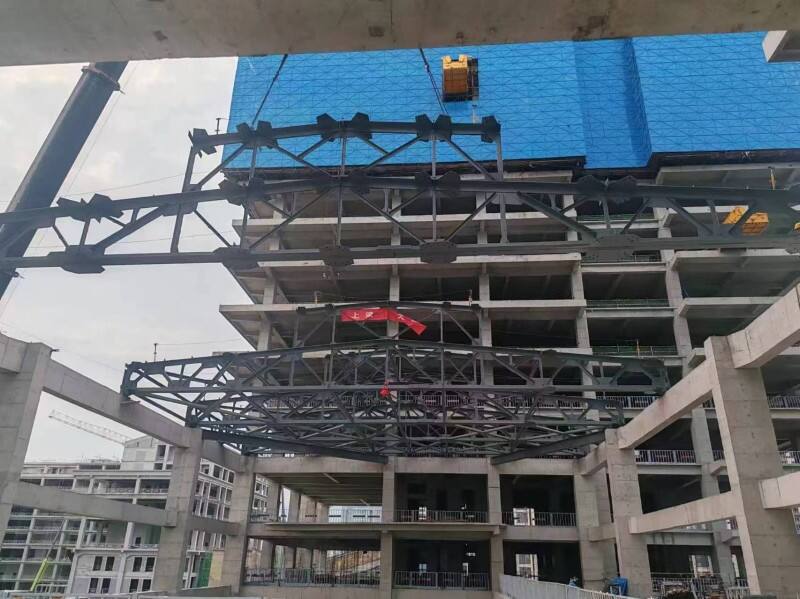
Align Preconstruction Planning with Steel Structure Lead Times
Integrate Structural Steel Detailing, Fabrication, and Shipping Timelines into Baseline Schedule Logic
When design teams get together with manufacturers and logistics folks early on, it stops those nasty steel structure delays from snowballing across the entire construction timeline. The details coming out of design need to match what the fabrication shops can actually handle. Most complex steel assemblies take around 8 to 12 weeks to make, so planning needs to factor that in. And don't forget about the real world stuff either route permits for big shipments or figuring out how winter storms might affect delivery schedules. Smart project managers build all these moving parts right into their main schedule using something called predecessor logic, which basically means tasks follow each other without unnecessary gaps. Take shop drawing approvals as an example when those get tied directly to material orders, fabricators stay busy instead of waiting around. According to recent studies from construction associations, this kind of tight scheduling cuts down on missed deadlines by about a quarter for projects heavy in steel work.
Apply Critical Path Method (CPM) to Identify and Protect Steel-Dependent Milestones
When using Critical Path Method (CPM) analysis, construction managers identify those essential steel activities that simply can't be moved around in the schedule. Think about things like getting those anchor bolts placed just right or making sure moment frames go up when they need to. These are the activities that actually determine how long the whole project will take. The teams working on these projects put in place some pretty strict rules too. They book cranes well ahead of time, sometimes as far out as six weeks, and get those special bolting crews lined up before any concrete even starts pouring. Look at the numbers: projects that apply CPM to their steel work finish on time about 95% of the time, while those without this kind of planning only hit their deadlines roughly 63% of the time. And what makes all this work? Constant checking through digital dashboards keeps everyone aware of potential problems early enough to fix them before small issues turn into major headaches down the road.
Optimize On-Site Execution for Steel Structure Erection
Sequence Erection Using Pull Planning and Trade Readiness Checks
Pull planning is basically a Lean approach where teams start looking at projects from the finish line instead of just marching forward through a calendar. When it comes to steel erection work, this means following what's actually needed next rather than sticking strictly to some predetermined timeline. Most contractors will tell you that before starting any installation phase, they need to check if everything lines up properly between trades. That includes making sure electrical conduits aren't going to clash with mechanical penetrations or where those anchor bolts should be placed according to the shop drawings. The Construction Industry Institute claims this kind of proactive checking can stop nearly half of all those frustrating on-site conflicts we see so often. Just take weld access clearance as an example. If crews confirm there's enough room to get welding equipment in place before putting girders into position, nobody ends up spending extra money on moving things around later.
Synchronize Crane Logistics, Bolting Crews, and Labor Resources Around Steel Installation Windows
Pre-coordinate crane availability with steel delivery schedules to minimize idle time. Crews supported by synchronized bolting teams and crane operators erect structures 30% faster. Maintain clearly defined staging zones and position certified bolting crews at designated connection points. During peak erection windows, deploy:
- Lifting equipment: Optimize crane paths using BIM lift simulations
- Labor: Cross-train crews for bolt-tightening and safety monitoring
- Materials: Pre-stage connectors and tools at each bay
Leverage BIM and Digital Tools for Steel Structure Schedule Validation
Use 4D BIM to Simulate and Verify Steel Structure Erection Sequencing and Clash-Free Installation
When it comes to construction planning, 4D BIM takes regular 3D modeling one step further by adding time elements so we can actually see how steel structures go together over time before anyone shows up at the site. With this technology, project managers get a much clearer picture of where everything fits in space, check if cranes can move around safely, and spot potential problems where steel parts might bump into plumbing or electrical systems long before any welding starts. The whole process makes sure things will work logistically, figures out when different pieces need to be installed, and checks off safety requirements too, all without messing up the main timeline for completion. Industry experts point out that catching these kinds of issues early can save anywhere from 15 to maybe even 20 percent of those frustrating delays that happen when workers show up and find something doesn't fit right on location.
Maintain Schedule Reliability Through Real-Time Monitoring and Adaptive Compression
Track Progress with Digital Dashboards and Automate Weekly Steel Structure Schedule Updates
When digital dashboards pull together data on crane usage, how many bolts get completed, and where materials actually are, construction teams spot problems in steel workflows much faster than they used to. Instead of waiting weeks to find out something's wrong, delays show up on screens within hours. The numbers back this up too. According to Dodge Construction Network research from last year, projects that keep schedules updated automatically see about 38% less rework and stick closer to their timelines around 65% of the time. Putting IoT sensors on cranes and prefab parts connected to cloud systems gives early warning signs when key tasks start going off track. This lets site managers jump in before everything falls apart sequence-wise, which saves both time and money in the long run.
Apply Targeted Schedule Compression—Fast-Tracking or Crashing—Without Sacrificing Steel Structure Safety or Quality
When acceleration is necessary, prioritize compression tactics that preserve structural integrity and compliance:
| Method | Best For Steel Projects When... | Risk Mitigation Tactics |
|---|---|---|
| Fast-Tracking | Design freeze is achieved early | Staggered release of connection shop drawings |
| Crashing | Weather windows are closing | Pre-qualify backup erection crews in contract |
Always maintain weld inspection protocols and bolting torque verification cycles. Overlapping foundation curing with steel column staging, for example, requires 4D BIM clash detection to prevent spatial interference—never at the expense of structural certification requirements.
FAQ
What is predecessor logic in construction scheduling?
Predecessor logic is a scheduling method where tasks are arranged to follow one another without unnecessary gaps, ensuring a continuous workflow. This is crucial in steel structure projects to prevent delays.
How does 4D BIM help in construction planning?
4D BIM incorporates time elements into 3D models, allowing project managers to visualize the erection sequencing and identify potential clashes before construction begins, reducing delays and ensuring efficient execution.
What are fast-tracking and crashing in schedule compression?
Fast-tracking involves performing tasks concurrently rather than sequentially to save time when a design freeze is in place. Crashing adds additional resources to critical path activities to meet deadlines, useful when weather windows are closing.