 EN
EN

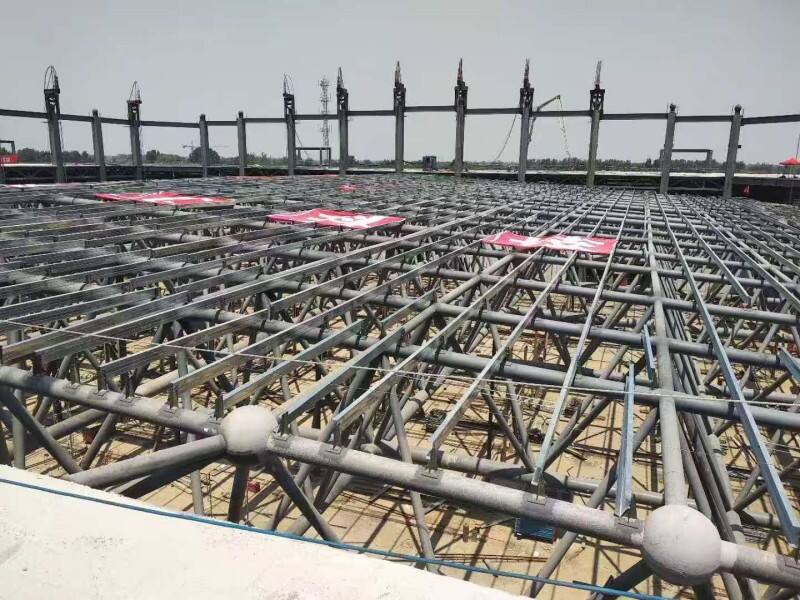
Pre-Installation Planning and Site Readiness for Steel Structure Projects
Site assessment, foundation verification, and access planning for efficient steel structure installation
Doing a proper site evaluation upfront saves money in the long run by avoiding expensive fixes later on. Start with geotechnical testing to figure out if the soil can support what's being built there. If the ground isn't strong enough, we might need to dig deeper for foundations which usually adds between one to five extra weeks to the project timeline. Before putting in those anchor bolts, double check that the foundation measurements actually match what the structural plans call for. Laser level surveys work great for this kind of verification. Make sure nothing is blocking the entire area where the crane needs to operate around the clock. Build stable roads that can handle the weight of big trucks and heavy equipment without getting damaged. Drainage should be part of the initial planning phase because standing water really messes with foundation stability and makes the worksite dangerous. Contractors who follow these basic preparation steps tend to see about a 30% drop in installation mistakes based on what most industry reports show these days.
Coordinating engineering drawings, permits, and sequencing schedules to prevent delays in steel structure erection
Submit stamped engineering drawings to local authorities 8–10 weeks before construction begins to streamline permitting. Cross-check shop drawings against erection sequences to identify clashes among structural, mechanical, and electrical systems before fabrication starts. Implement a phased scheduling framework aligned with concrete strength development and component readiness:
- Tier 1: Anchor bolt setting after foundation curing reaches minimum specified strength
- Tier 2: Column erection within the critical 72-hour window when concrete achieves ≥75% design strength
- Tier 3: Primary beam connections following column alignment verification
Proactive coordination of permits, crane availability, and delivery logistics avoids 85% of avoidable schedule interruptions reported in industrial construction surveys. Synchronize material deliveries with erection milestones to minimize idle labor and equipment costs.
Handling, Inspection, and Material Verification of Steel Components
Receiving, documenting, and verifying dimensional accuracy and mill certification for all steel structure members
Material checks need to start right when stuff arrives on site since around 23% of structural problems actually come from parts that weren't properly documented or got damaged during transport according to AISC data from last year. First thing anyone should do is visually check every component for any signs of damage during shipping, look out for rust spots, and watch for anything that looks bent or deformed. After that comes the paperwork dance matching what was shipped against what was ordered and making sure it lines up with those approved blueprints. And don't forget those mill test certificates either. These MTCs are absolutely essential for confirming everything meets the ASTM A6/A36 standards plus whatever specific AISC requirements apply. They show whether the metal actually contains the right chemicals and has the strength properties we need for safe construction.
| Verification Method | Purpose | Acceptance Criteria |
|---|---|---|
| Dimensional Checks | Confirm member geometry | ±3 mm tolerance per 10 m length |
| Chemical Analysis | Validate alloy composition | Matches MTC spectrography reports |
| Mechanical Testing | Ensure yield/tensile strength | Meets ASTM A6/A36 requirements |
Using non destructive testing methods like ultrasonic scans makes sense for checking those important joints where problems hide beneath the surface and can't be seen just by looking at them. When issues are found during these tests, it's good practice to record everything down on proper forms along with pictures taken right there on site. Materials that don't meet standards need to be set aside from the rest right away so they don't get mixed in with acceptable stock. Following this kind of strict procedure helps avoid having to make changes later out in the field, keeps the metal ready for welding intact, and maintains how well those connections will perform over time. Most importantly, it means only parts that have been officially approved will actually make it into the building process.
Safe and Sequential Steel Structure Erection Process
Column anchorage, plumb alignment, and base plate grouting per AISC and OSHA steel erection standards
When setting columns, they need proper anchoring to solid foundations using those strong tension-controlled anchor rods as specified by AISC 360 and ACI 318 standards. Getting the column straight is really important too. We're talking about keeping it plumb within about 1/500th of its total height. For example, if the column is 1 meter tall, we don't want more than 2 mm off center when we tighten everything down according to AISC 303-22 guidelines. And this alignment needs to stay consistent through all the connections that follow. The base plates themselves should sit on top of full contact grouting made from non-shrink, high strength material. This helps get rid of air pockets and makes sure the weight gets distributed evenly across the foundation. Using laser levels while working on these connections gives us ongoing checks on vertical alignment. Without regular monitoring, small misalignments can build up over time and eventually affect the whole structure's stability.
Beam and girder lifting protocols: Rigging design, load path continuity, and fall protection integration
Proper lifting operations need detailed rigging plans that cover sling angles, figure out where the center of gravity sits, and ensure all hardware can handle dynamic loads. The load path has to stay stable throughout the entire process from when it's picked up until it reaches its final position. Tag lines aren't optional here they're required equipment to manage any rotation and stop dangerous swinging movements. Safety comes first with fall protection measures like full body harnesses, horizontal lifelines, and temporary guardrails put in place well before anyone starts working on beam connections. Why? Because statistics from OSHA show falls cause nearly 4 out of every 10 deaths during steel erection projects. According to OSHA regulations found in 1926 Subpart R, written plans specific to each job site are necessary whenever dealing with live loads or working above 15 feet elevation. And don't forget those final bolts they have to meet certain pretension standards either through calibrated torque wrenches or tension control devices before releasing the crane's hold on the load.
Maintaining Structural Stability During Steel Structure Installation
Temporary bracing strategies and lateral stability systems to ensure integrity before permanent connections
Until permanent connections reach full design capacity, temporary bracing provides essential lateral and torsional resistance against wind, vibration, and construction loads. OSHA requires these systems to remain in place until at least 50% of connections are fully bolted or welded. Common, code-compliant approaches include:
- Diagonal cross-bracing in vertical planes between columns
- Portal frames for open wall sections requiring moment resistance
- Guy wires, anchored to ground deadmen, for tall freestanding elements
When designing bracing systems, engineers need to follow guidelines from AISC Appendix 6 regarding both service and construction load requirements. On site, workers typically put in place the necessary braces prior to letting go of the crane's tension, then double check everything lines up properly using those fancy laser level tools. For ongoing monitoring during construction, inclinometers come into play allowing teams to watch for any unexpected movement. These devices basically act as early warning systems, prompting corrective action once measured forces get close to reaching around 70% of what the system can handle safely. One major construction firm actually documented results showing their proactive strategy cut down on those annoying mid-project sway problems by almost three quarters. This not only saved time but also prevented costly delays caused by safety halts and having to redo work later on.
Quality Assurance, Compliance, and Final Verification of Steel Structure Integrity
Rigorous final verification ensures long-term performance and regulatory compliance. This phase includes three interdependent inspections:
- Visual and dimensional checks, confirming member alignments within ±0.25 inches per AISC 303-22 tolerances
- Connection integrity verification, using ultrasonic testing for welds and calibrated torque wrenches for bolted joints
- Surface protection assessment, measuring coating thickness and continuity per SSPC-PA2 or ISO 19840 standards
Good documentation keeps everything compliant. Think about those signed checklists, reports from outside inspectors, and records that track every part back to its material test certificate and heat number. The actual construction drawings need to match what was originally approved by engineers. When dealing with complicated structures or anything considered high risk, there might be a need for load tests after erection just to make sure things behave as expected in real world conditions. Before anyone can actually occupy the space, all these results have to pass muster according to OSHA 1926 Subpart R regulations, meet AISC 360 standards, plus whatever local building codes apply. This whole process helps ensure buildings stay safe and structurally sound throughout their long service lives.
FAQ
What is the importance of site readiness in steel structure projects?
Site readiness ensures that the ground can support the structure, access routes are cleared, and the foundation's dimensions match the structural requirements to prevent costly delays.
Why is coordinating engineering drawings critical?
Coordinating engineering drawings with permits and schedules helps identify potential clashes in systems before fabrication, preventing delays and additional costs.
How are materials verified for a steel structure?
Materials are visually inspected upon arrival and checked against dimensional and chemical standards. Documentation, including mill test certificates, ensures compliance with ASTM and AISC standards.
How is structural stability maintained during installation?
Temporary bracing and compliance with OSHA regulations ensure lateral and torsional stability until permanent connections are completed.
Table of Contents
- Pre-Installation Planning and Site Readiness for Steel Structure Projects
- Handling, Inspection, and Material Verification of Steel Components
- Safe and Sequential Steel Structure Erection Process
- Maintaining Structural Stability During Steel Structure Installation
- Quality Assurance, Compliance, and Final Verification of Steel Structure Integrity
- FAQ