 EN
EN

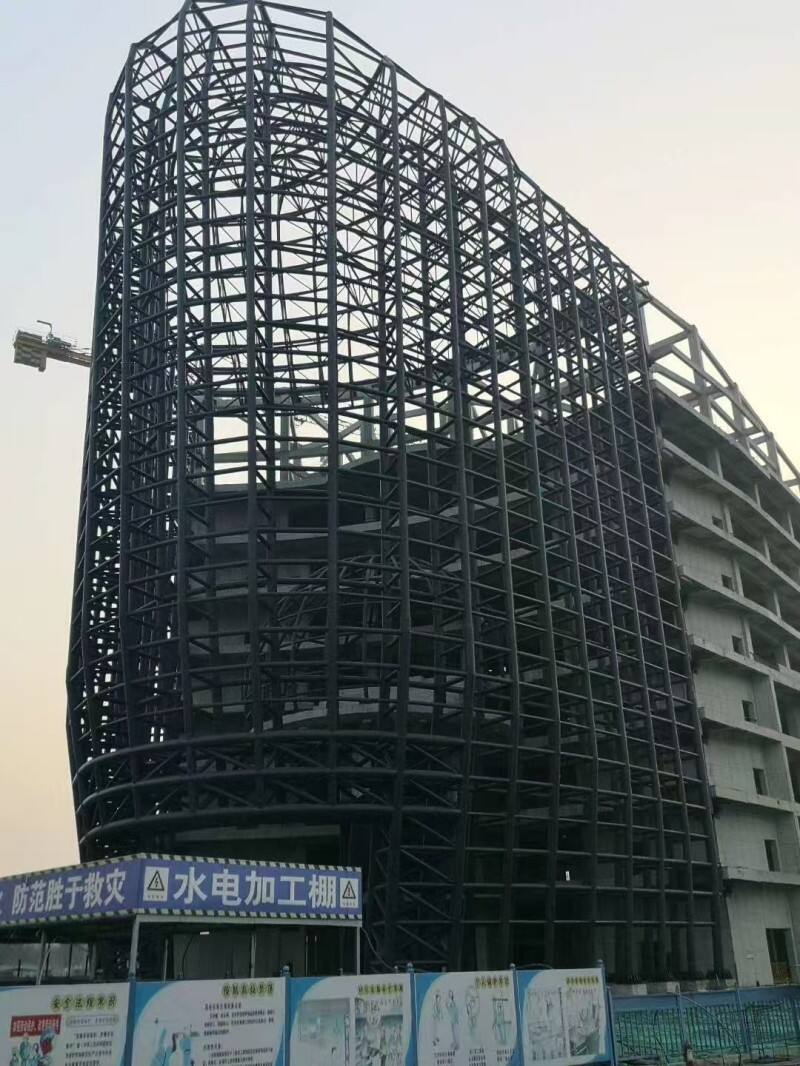
Foundational Inspections: Detecting Rust, Corrosion, and Structural Degradation Early
Inspection Frequency and Scope Tailored to Environmental Exposure Class
The inspection routines for steel structures need to change depending on where they're located and what kind of environment they're exposed to. Structures near coastlines tend to corrode much faster because of all that salt in the air, so we usually check them twice a year both visually and with instruments. For industrial buildings dealing with chemical pollution from nearby factories, it's wise to inspect those important connection points every three months or so. Buildings inland where the weather isn't too harsh can probably get away with once yearly checks most of the time. According to some research published last year, steel structures placed in areas classified as ISO C4 (which means high corrosion risk) break down about three times quicker compared to those in standard C1 zones. That explains why different locations need different levels of attention when it comes to maintenance schedules.
High-Risk Critical Zones: Joints, Welds, Fasteners, and Concealed Surfaces
Over 68% of structural failures originate in connection points where moisture accumulates. Prioritize examination of:
- Bolted joints: Check for rust jacking beneath plates
- Welded seams: Scan for pitting corrosion in heat-affected zones
- Fastener clusters: Inspect crevices for galvanic corrosion
- Concealed surfaces: Probe cavities behind cladding using borescopes
Pitting corrosion at weld junctions reduces load capacity by 12–40% within five years in humid environments—making early detection at these zones essential for safety and service life.
Leveraging Digital Monitoring and Non-Destructive Testing for Precision Assessment
Advanced diagnostics transform corrosion management. Continuous wireless sensors track humidity penetration at corrosion-prone joints, while NDT techniques provide subsurface insights:
| Method | Defect Detection Capability | Speed Advantage |
|---|---|---|
| Ultrasonic Thickness | Measures material loss to ±0.1mm | 25% faster than manual |
| Electromagnetic Scanning | Identifies delamination under coatings | Covers 300m²/hour |
These technologies reduce inspection downtime by 45% and improve defect detection accuracy by 29%, according to infrastructure resilience studies.
Protective Coating Systems: Selection, Application Integrity, and Lifecycle Management
Performance Comparison: Paint, Hot-Dip Galvanization, Epoxy, and Intumescent Coatings for Steel Structure
Picking the right coating means matching what materials can do against what they'll face in their environment. Regular alkyd paints are cheap but won't stick around long, maybe 3 to 7 years if conditions aren't too harsh. Hot dip galvanized coatings tell a different story though. These last way longer, somewhere between 30 and 50 years, because the zinc actually sacrifices itself to protect whatever it's applied to in industrial areas. Epoxy coatings handle chemicals really well, which is why they're so popular in places like wastewater treatment plants. Most last over 15 years before needing replacement. Then there are intumescent coatings that keep steel safe even when temperatures hit 500 degrees Celsius or higher, although keeping track of how thick they get is pretty important for maintenance folks. Coastal regions present special challenges where galvanized coatings beat out epoxies by about 60 percent simply because they stand up better to all that salt air and moisture.
Surface Preparation and Application Best Practices to Ensure Long-Term Adhesion and Coverage
Achieving maximum coating adhesion hinges on meticulous surface preparation—accounting for 80% of failure cases when compromised. Critical steps include:
- Abrasive blasting to SSPC-SP 10/NACE No. 2 near-white metal standards
- Contaminant removal of salts, oils, and mill scale
- Humidity control (<85% RH) during application to prevent micro-blistering
Post-prep, maintain strict wet film thickness (WFT) compliance using notched gauges, followed by dry film verification. Multi-coat systems require intercoat adhesion checks via crosshatch testing. Field-applied coatings in high-humidity zones benefit from dew-point sensors and heated enclosures to prevent condensation.
Environmental Risk Mitigation: Managing Humidity, Salt, and Pollutants Around Steel Structure
Corrosion Drivers in Coastal, Industrial, and High-Humidity Environments
Steel structures tend to break down much quicker when placed in certain risky spots around the world. Let's talk about three main problem areas first: places near the coast, factories where chemicals hang around, and anywhere there's lots of humidity in the air. Along beaches and shorelines, salty wind carries all sorts of chloride particles that get stuck on metal surfaces. These tiny invaders work their way through protective coatings and start eating away at steel about ten times faster than what happens hundreds of miles inland. Factories are bad too because they pump out sulfur dioxide and leave behind chemical leftovers that eat into protective layers over time. We're talking actual holes forming in metal as these substances attack it day after day. Then there's the issue with damp climates where relative humidity stays above 60%. Even if it doesn't rain much, constant moisture forms on metal surfaces like a thin film that lets oxygen sneak in and start the whole rust process going. The numbers tell an alarming story actually. Structures sitting in these harsh coastal or industrial conditions often last only 40 to 60 percent as long as similar ones kept in better controlled environments. That means anyone building or maintaining steel infrastructure needs to think seriously about protection strategies for these trouble spots right now.
Moisture Control Engineering: Drainage, Ventilation, and Sealing Strategies
Preventing Water Accumulation Through Gutter, Roof Seam, and Joint Maintenance
Good moisture control starts by getting rid of standing water through proper maintenance of building infrastructure. Gutter systems should be cleaned out at least four times a year, and they need to slope down at around 5 degrees towards those downspouts. This really helps during big rainstorms when things get flooded. When dealing with roof seams, going with continuous thermal sealed membranes instead of just overlapping panels cuts down on capillary action problems by about 70 percent. The joints between different parts of the building require extra care too. Use those flexible sealants that can handle plus or minus 50% movement at expansion areas. They usually last about 8 to 10 years before they start to crack and let in moisture that causes rust. Putting drainage mats under cladding systems creates these little air spaces that push trapped moisture away from the actual structure. All these layers work together to stop chemical reactions that weaken steel structures over time, especially in spots where water sits around and speeds up the rusting process.
Proactive Repair Protocols: From Minor Defects to Structural Resilience
When companies adopt proactive repair strategies, they turn those small surface issues into chances to build lasting strength in their structures. Addressing problems early on, whether it's tiny hairline cracks or spots of pitting corrosion through careful grinding work and spot recoating, stops these flaws from getting worse over time and potentially weakening the whole structure. For bigger but still manageable damage areas, options like carbon fiber patches or spot welds help maintain strength without needing to replace entire parts. Good record keeping matters too - every repair needs proper documentation showing when it was done, what technique worked best, and how the fixed area performed afterward. This kind of data helps predict when maintenance will be needed next, cutting down overall costs by around 40% versus waiting until things break down completely. Think of each little flaw as a turning point where action makes all the difference. Structures become much tougher against common threats like saltwater damage or repeated temperature changes. And don't forget emergency plans need to fit into this framework as well, outlining exactly what to do if something fails suddenly, all while staying consistent with the broader goal of building resilient infrastructure.
FAQ
What factors influence inspection frequency for steel structures?
Steel structures inspection frequency should consider environmental exposure; coastal areas require biannual checks, industrial settings quarterly, and inland areas annually.
Why are bolts, welds, and fasteners high-risk zones in steel structures?
These connection points are prone to moisture accumulation, leading to corrosion and potential structural failure.
How can modern technology aid in steel structure inspections?
Wireless sensors and non-destructive testing methods enhance defect detection and reduce inspection downtime.
Which protective coating is best for salt-heavy environments?
Hot-dip galvanization lasts longer in coastal areas due to its resilience against salt exposure.
What is the importance of surface preparation for coating application?
Proper preparation ensures adhesion, preventing failure in protective coatings.
Table of Contents
- Foundational Inspections: Detecting Rust, Corrosion, and Structural Degradation Early
- Protective Coating Systems: Selection, Application Integrity, and Lifecycle Management
- Environmental Risk Mitigation: Managing Humidity, Salt, and Pollutants Around Steel Structure
- Moisture Control Engineering: Drainage, Ventilation, and Sealing Strategies
- Proactive Repair Protocols: From Minor Defects to Structural Resilience