 EN
EN
How Prefabrication Enables Rapid Steel Structure Building Deployment
Off-Site Fabrication Cuts Project Timelines by 30–50%
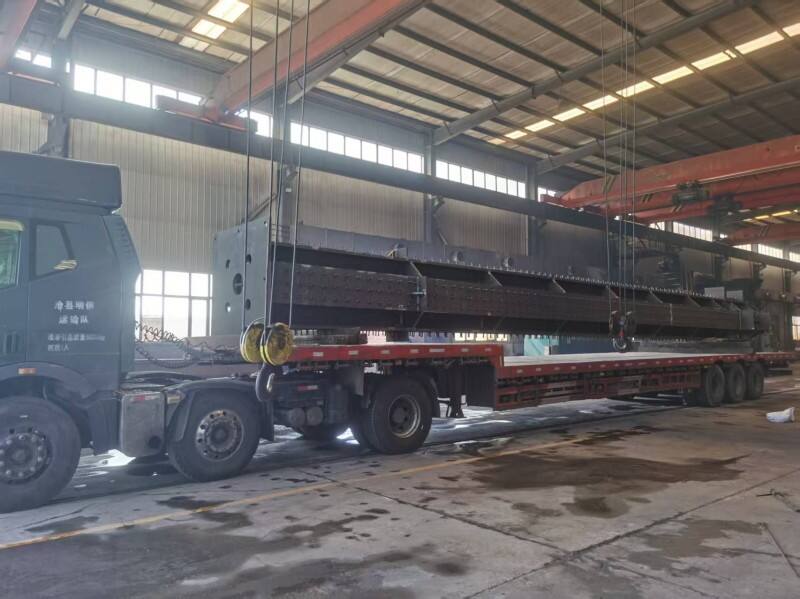
Steel components for prefabrication get made in factories where conditions are tightly controlled, while at the same time workers prepare the actual building site. This means no waiting around for bad weather to pass, and better control over product quality throughout manufacturing. The Construction Efficiency Journal reported last year that this approach cuts down overall construction time by somewhere between 30 and 50 percent compared to what we see with traditional building techniques. When these structural parts arrive on site, they're already cut to size, welded together, and coated against corrosion. What remains is simply bolting everything into place rather than doing all the heavy fabrication work outdoors. Computer guided cutting systems help minimize waste too, so companies end up using about 15 to 20 percent less raw materials than would be needed otherwise. For commercial clients, this translates to getting their new steel buildings operational roughly 40 percent quicker than usual. Instead of tying up money for months waiting on construction completion, businesses can start making money from their premises much sooner than expected.
Streamlined Transport and Minimal On-Site Labor Accelerate Assembly
Steel components that are pre-engineered arrive at job sites already sorted in the right order so they can go up right away, which cuts down on staging area requirements by about two thirds. When using cranes for assembly, we typically need around 30 percent fewer workers compared to conventional methods something that matters a lot given how hard it is to find skilled labor these days. Standardized connection points also speed things up significantly, saving roughly 45% of assembly time according to recent industry reports. The insulation comes built into wall panels and truss systems too, meaning crews don't need specialized equipment to put them together. Warehouse buildings can now become weather tight within just a few weeks instead of stretching out over several months as was common before. For medium sized construction projects, this kind of efficiency translates to savings of approximately eighteen thousand dollars each month on labor expenses while communities benefit from shorter construction periods that minimize disruptions during development.
Long-Term Durability and Low Lifecycle Costs of Steel Structure Buildings
Steel structure buildings deliver exceptional longevity and economic efficiency through advanced engineering solutions.
Galvanization and Advanced Coatings Ensure 75+ Years of Structural Integrity
When steel gets dipped in molten zinc during hot-dip galvanization, it creates a strong bond that protects against rusting. Modern coatings like epoxy and polyurethane then provide extra defense against water damage and chemicals. Together these layers work really well to stop rust from forming, even where salt air hits buildings near the ocean or factories release harsh fumes. The protection keeps important parts of steel structures strong at their weakest points. Steel buildings and bridges that are properly coated and maintained can last over 75 years before needing major repairs. That's about three times longer than what happens with plain steel left unprotected. Most engineers will tell anyone who asks that this kind of long-lasting protection means fewer safety issues down the road.
30-Year Lifecycle Cost Analysis: 40% Lower Maintenance vs. Timber or Masonry
Looking at 30 year lifecycle costs tells us something interesting about building materials. Steel structures actually need about 40% less maintenance money spent on them compared to buildings made from wood or brick. Wood has all those problems with pests that keep coming back for more treatment, while brickwork needs constant attention to fix cracks between the stones. Steel doesn't rot, attract bugs, or break down over time because it's basically just metal. Most repairs happen rarely and only affect small areas when they do occur. The average person spends around 25 cents per square foot each year keeping their steel building in good shape. This kind of predictability means no surprises when it comes to fixing major issues later on, which cuts down what people end up paying overall throughout the life of the structure.
Maximizing ROI Through Speed-to-Value and Predictable Budgeting
Faster Occupancy Drives Earlier Revenue and Reduces Financing Burden
Steel structures typically reach occupancy about 30 to 50 percent quicker compared to regular building methods, which means companies can start making money instead of just spending it much sooner. For businesses, this matters a lot because they actually start bringing in revenue several months ahead of schedule while traditional buildings still get finished. This is really important for industries where timing everything right makes all the difference, such as manufacturing plants where any delay costs real money. Plus, there's another benefit nobody talks about enough these days: shorter construction periods mean less money paid in interest. Take a look at a $2 million project financed at around 7%. If we save just one month during construction, that saves roughly $11k in financing fees alone. When we combine getting cash flowing earlier with paying less interest on loans, the return on investment keeps growing throughout the life of the building, sometimes in ways people don't even expect at first glance.
Fixed Material Costs and Minimal Change Orders Stabilize Total Project Investment
When using prefabricated steel parts, contractors can actually fix material prices right at the factory stage, which protects them against those unpredictable price swings we often see with materials delivered directly to construction sites. The combination of digital modeling tools and building components away from the actual site has been shown to cut down on changes needed during construction by around two thirds compared to traditional methods. This means fewer headaches with expensive corrections, less time wasted waiting for fixes, and no unexpected expansions beyond what was originally planned. Because everything is so predictable upfront, project managers can make pretty accurate guesses about costs throughout the entire life of the building right from the start. Looking at industry data across different sectors, buildings constructed this way tend to deliver returns between 20% and maybe even 35% better over three decades than similar structures made with wood or brick. Why? Well, there's just not as much maintenance required, operations aren't disrupted as often during regular use, and these steel structures keep performing at their best year after year without letting people down.
FAQ Section
What are prefabricated steel structures?
Prefabricated steel structures are building components manufactured off-site in controlled factory conditions. They are then transported to the construction site where they are assembled, reducing construction time and labor costs.
How do coatings extend the life of steel structures?
Coatings such as galvanization, epoxy, and polyurethane provide layers of protection against rust, water damage, and chemicals, ensuring steel structures last over 75 years and reduce the need for major repairs.
What is the lifecycle cost advantage of steel structures?
Steel structures require 40% less maintenance money compared to wood or brick, with a predictable cost of around 25 cents per square foot per year. This results in fewer surprises and lower overall expenses over the building’s lifetime.
How does prefabrication stabilize project investment?
Prefabrication allows contractors to fix material prices at the factory stage, reduce changes needed during construction, and deliver better returns on investment due to stable and predictable costs.